05 Apr,2026
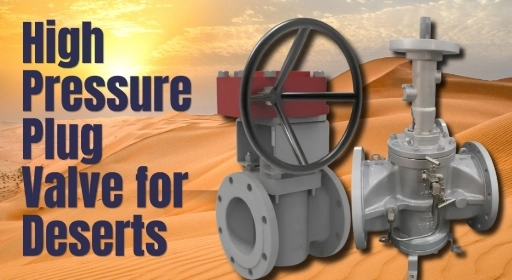
Choosing High Pressure Plug Valve for Desert Environments
Selecting high-pressure plug valves is crucial for desert oil and gas operations. Extreme heat and abrasive sandstorms create a harsh environment for metal components. Failure to choose the correct materials leads to leaks and costly downtime in remote pipeline locations. This guide explains how to select the best materials for a high-pressure plug valve used […]
03 Apr,2026
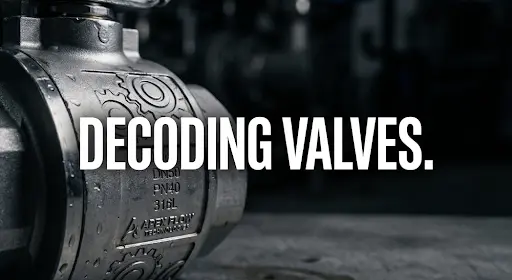
How to Decode Ball Valve Markings? Understanding CWP & WOG
Ball valve markings show how much pressure and temperature a valve can safely handle. The markings like WOG and CWP tell you whether a valve is suitable for water, oil, gas, or controlled temperature systems. If you understand these markings, you can choose the right valve and avoid costly mistakes. This guide explains the key […]
03 Apr,2026
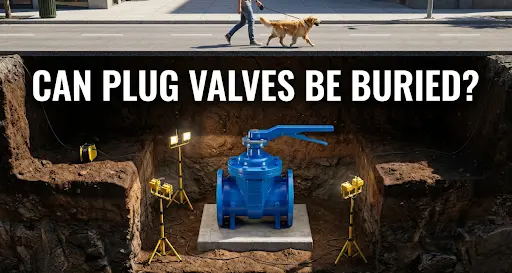
Can Plug Valves Be Buried? Underground Installation Guide
Image URL: https://notebooklm.google.com/notebook/7da537b0-8f71-4466-a60b-251c66feac02 Yes. Plug valves can be installed below ground when the valve is selected for buried service, installed in the right position, protected from corrosion, and given proper access for operation and maintenance. This guide explains where buried installation works, what can go wrong, how plug valve installation changes with service conditions, why […]
02 Apr,2026
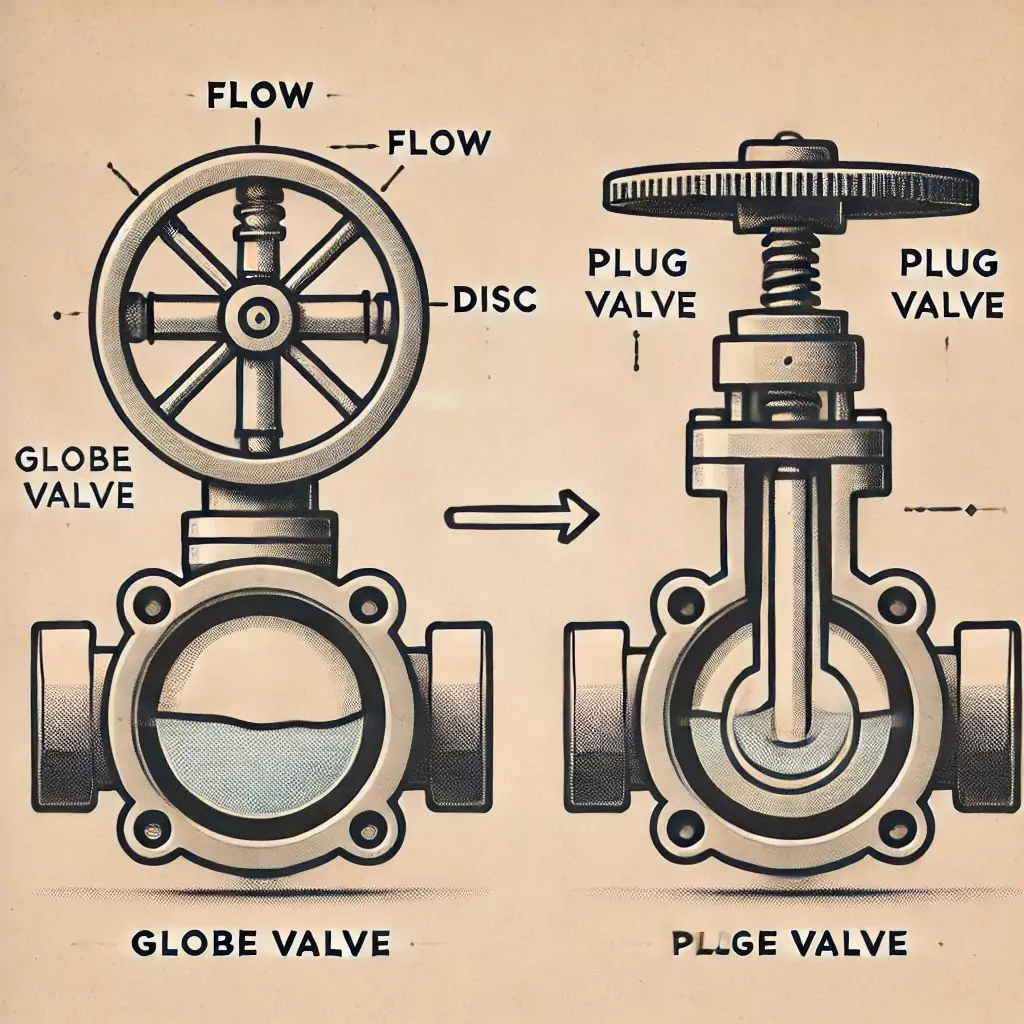
Globe Valve vs Plug Valve: Which is Right for Your System?
When managing fluid or gas flow in industrial systems, choosing the right valve is crucial for efficiency, safety, and performance. Among the many options, globe valves and plug valves stand out for their distinct capabilities. But which one is best suited for your application? This article explains the basics of globe and plug valves, their […]
26 Mar,2026
Are Ball Valves Directional? How Flow Direction Works
Yes, some are, and some are not. That is the short answer. This guide explains how ball valves control flow, when direction matters, how to read open and closed positions, and how to choose between floating and trunnion designs. It also helps beginners avoid common installation mistakes and understand what the right design can do […]
12 Mar,2026
Can Ball Valves Be Used for Throttling? Pros and Cons
Image URL: https://notebooklm.google.com/notebook/54d63303-f765-4521-8a20-4adb2031e5d0 Yes, a standard ball valve can reduce flow, but it is usually not the best choice for long throttling duty. This guide explains when it can work, why it often fails, and when a globe valve, V-port valve, or segmented design is a better option. You will also learn the main pros, […]
10 Mar,2026
How Do 3 Way Ball Valves Work? L-Port vs T-Port Guide
A 3 way ball valve works by turning a drilled ball inside the valve body to connect or block different flow paths. That simple motion lets one valve divert, mix, or split media in one compact unit. In this guide, you will learn the working principle, the difference between L-port and T-port designs, how each […]
18 Feb,2026
How Much Does a 3-Inch and 2×2 Plug Valve Weigh? Size, Dimensions & Pressure Class Guide
A 3-inch model does not have one fixed weight. In a flanged general-valve design, it can weigh about 50 kg at Class 150 and 75 kg at Class 900. A 2×2 Figure 1502 well-service model is often about 44 to 45 kg in a manual layout. The exact number changes with pressure class, end connection, […]
08 Feb,2026
Do Plug Valves Have a Flow Direction?
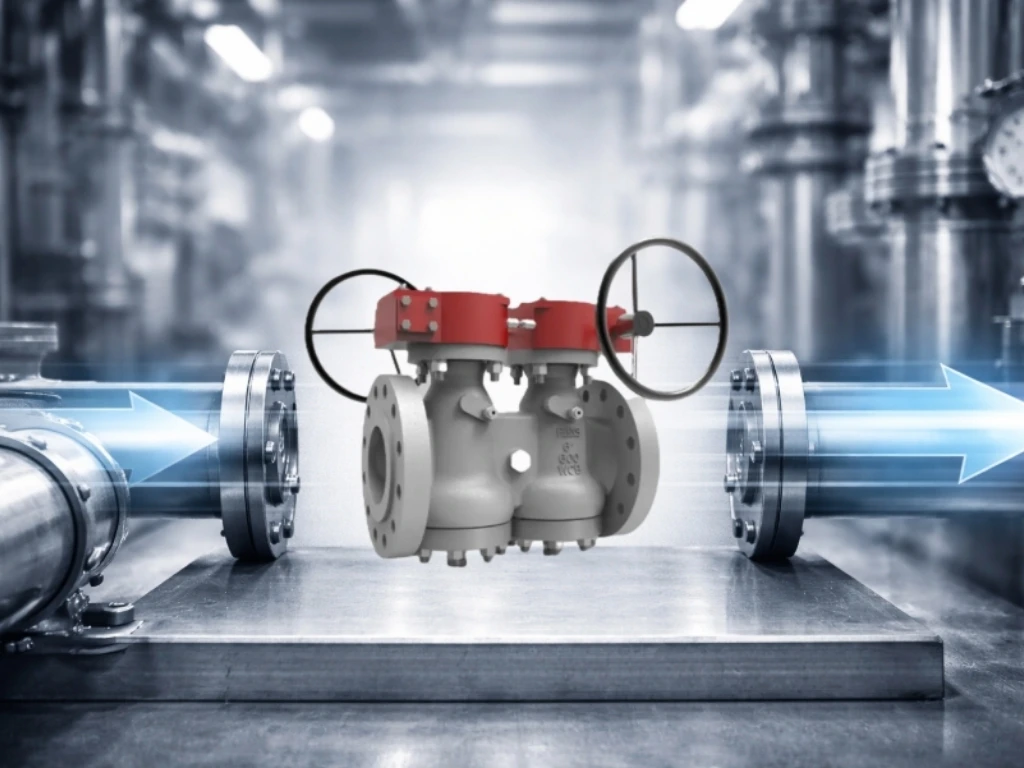
When it comes to plug valve flow direction, you don’t need to worry about which way flow enters. That’s because most standard plug valves are bidirectional and seal equally well from either side. Eccentric or high-pressure models may have a preferred orientation, so always check the manufacturer’s specs before installation. Are Plug Valves Bidirectional? The […]
Search
Categories
Tags
Product
- Ball Valve
- Floating Ball Valve
- Fully Welded Ball Valve
- Trunnion Ball Valve
- Butterfly Valve
- Full Metal-Seated Bi-Directional Butterfly Valve
- High Performance Butterfly Valve
- Three-Eccentric Metal Hard Seal Butterfly Valve
- Check Valve
- Cast Lift Check Valve
- Cast Swing Check Valve
- Wafer Type Check Valve
- DIN Valve
- DIN Bellow Sealed Globe Valve
- DIN Globe Valve
- DIN Rising Stem Gate Valve
- DIN Swing Check Valve
- Forge Valve
- Forged Check Valve
- Forged Floating Ball Valve
- Forged Gate Valve
- Forged Globe Valve
- Gate Valve
- Bellow Sealed Gate Valve
- Flat Gate Valve
- Wedge Gate Valve
- Globe Valve
- Cast Globe Valve
- Plug Valve
- Eccentricity Plug Valve
- Inverted Pressure Balance Lubricated Plug Valve
- Orbit Plug Valve
- Sleeve Type Plug Valve
- Slurry Valve
- Slurry Valve
- Strainer


