06 Aug,2025
Essential Maintenance and Troubleshooting Guide for Plug Valves
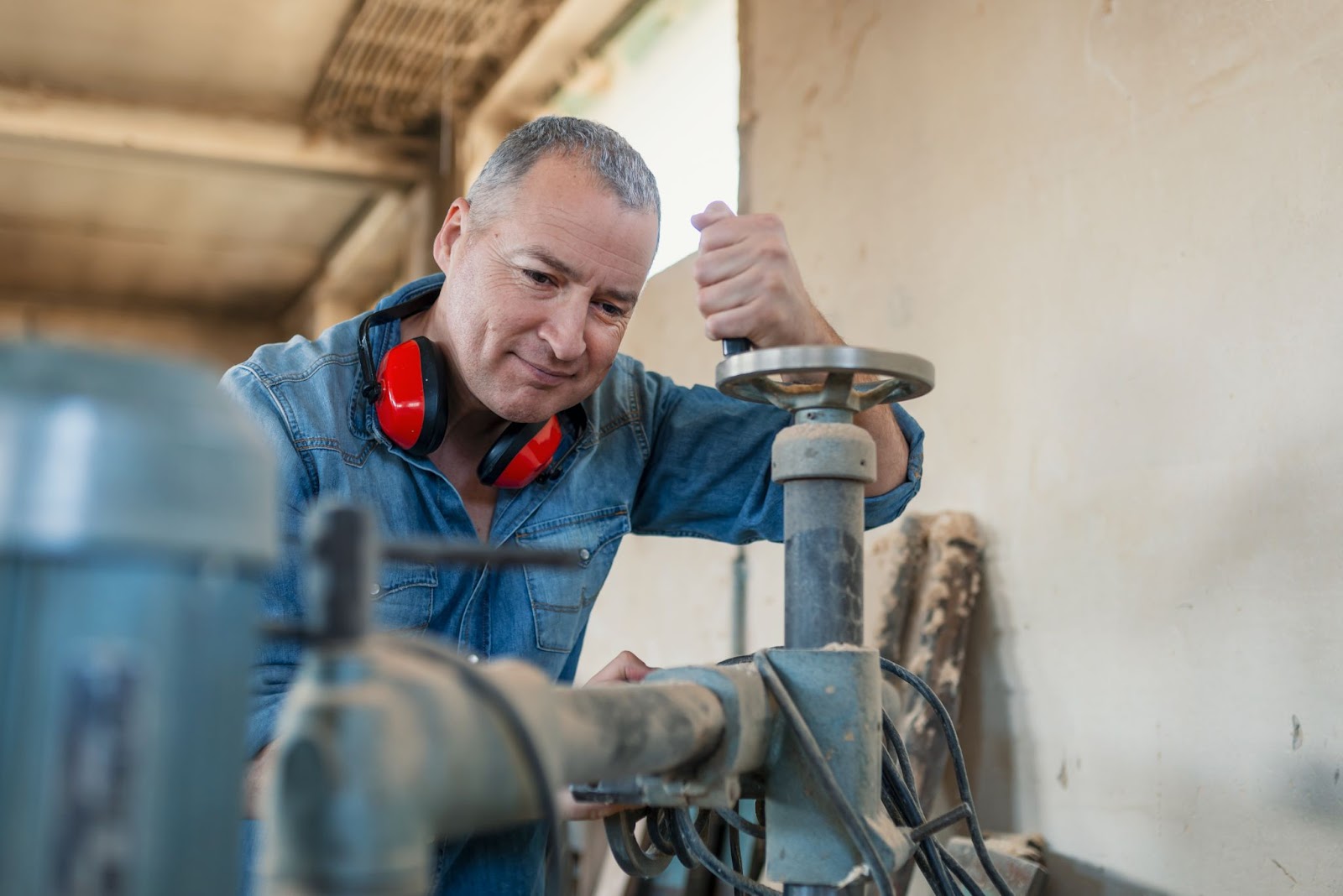
When industrial flow systems fail, faulty valves are often the hidden culprit—and plug valve troubleshooting is the fastest route to getting back on track. Whether it’s a sticking valve or sudden leakage, timely diagnostics and routine maintenance can prevent unexpected shutdowns and prolong the life of your plug valves. In this guide, we’ll walk you […]
22 Jul,2025
The Advantages of 3-Piece Trunnion Mounted Ball Valves
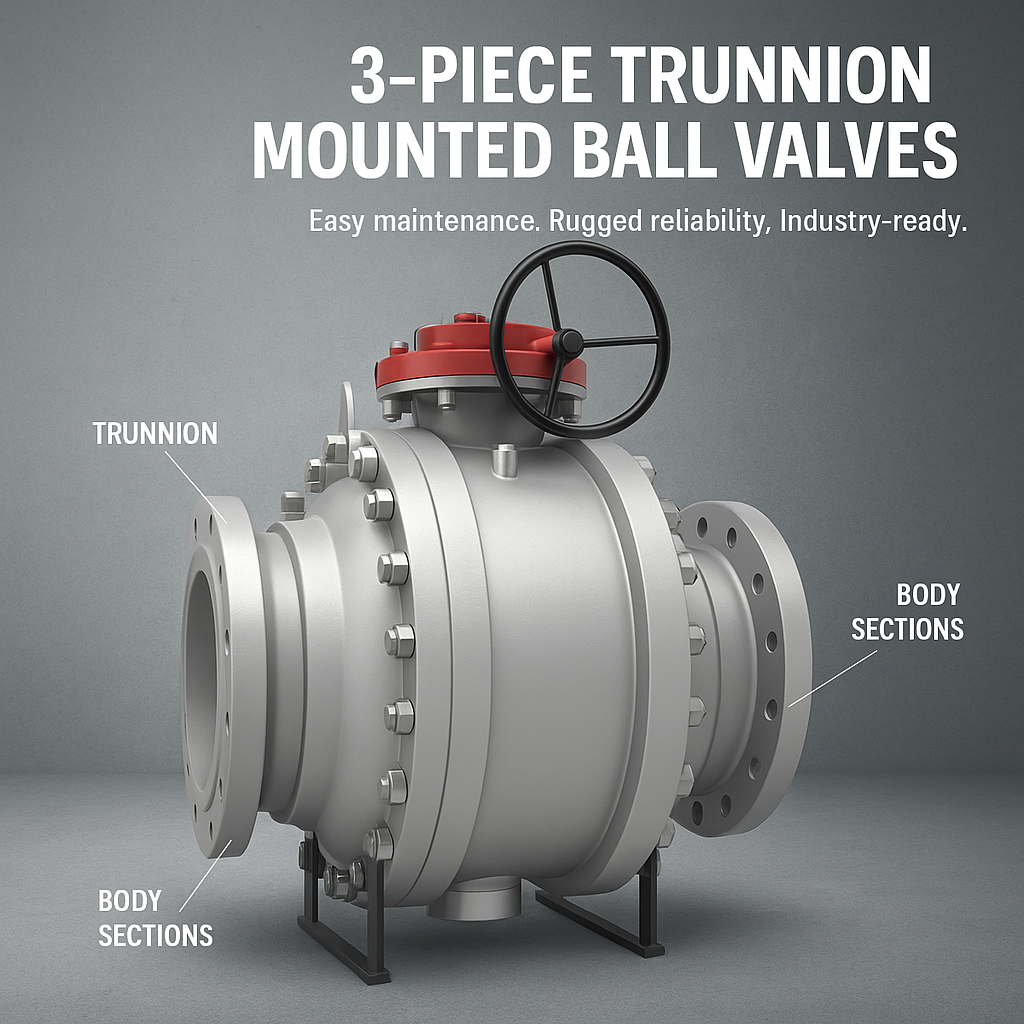
Some of the benefits of using a 3 piece trunnion mounted ball valve include reduced downtime, easy maintenance, and long-term reliability. These types of valves are ideal for high-pressure systems and media that demand reliable shutoff and regular servicing. Understanding the 3-Piece Body Construction A 3 piece trunnion mounted ball valve is built in three […]
22 Jul,2025
Top Entry vs. Side Entry Trunnion Ball Valves: What Project Managers Need to Know
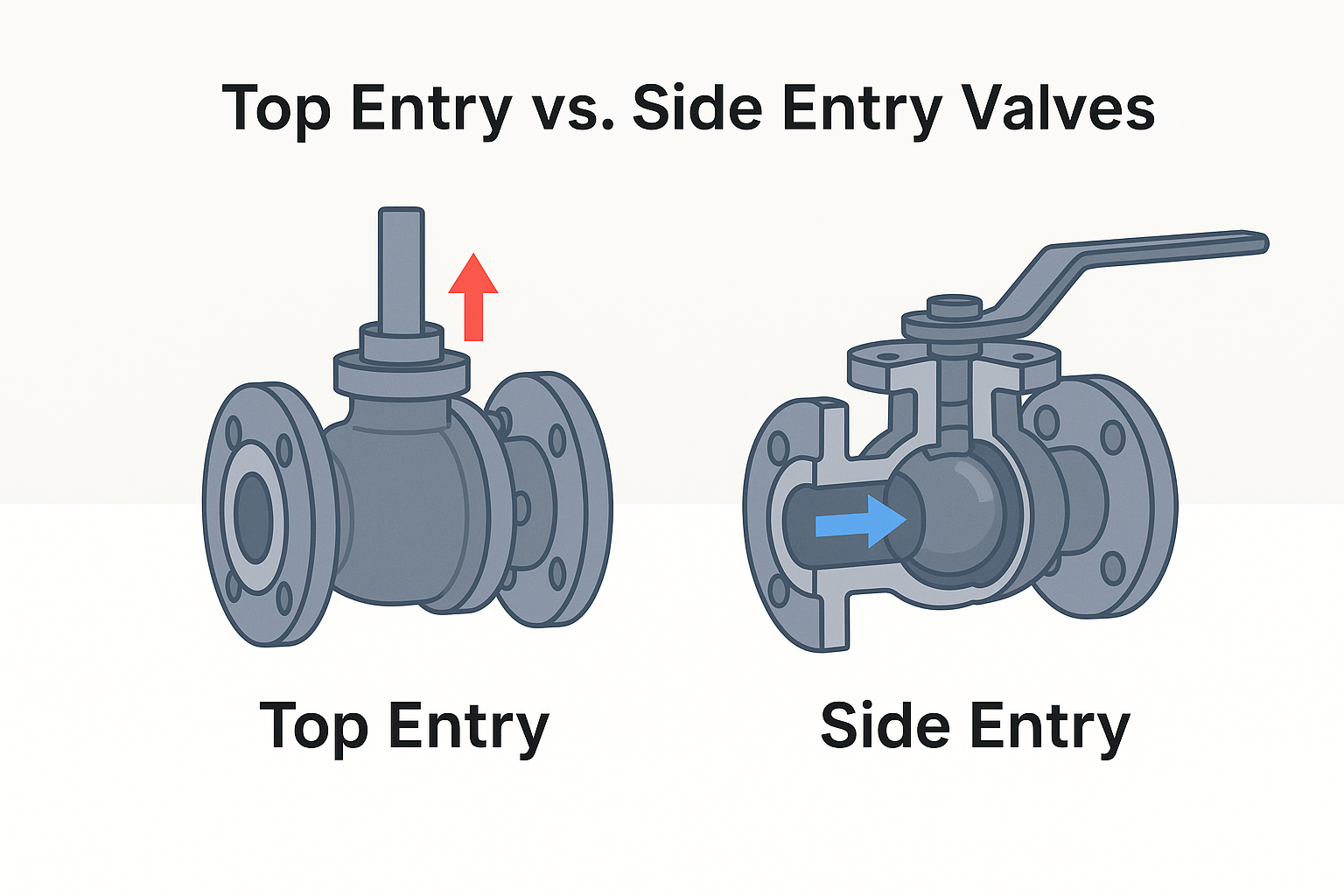
If your project demands frequent in-line maintenance, limited space for valve removal, or fast part replacement, a top entry trunnion ball valve is the better fit. If you’re prioritizing lower cost and standard maintenance methods, a side entry trunnion ball valve may work better. The Side Entry Trunnion Ball Valve (2-Piece/3-Piece Construction) Side entry trunnion […]
22 Jul,2025
The Role of Fully Welded Ball Valves in Modern Heating Supply Systems
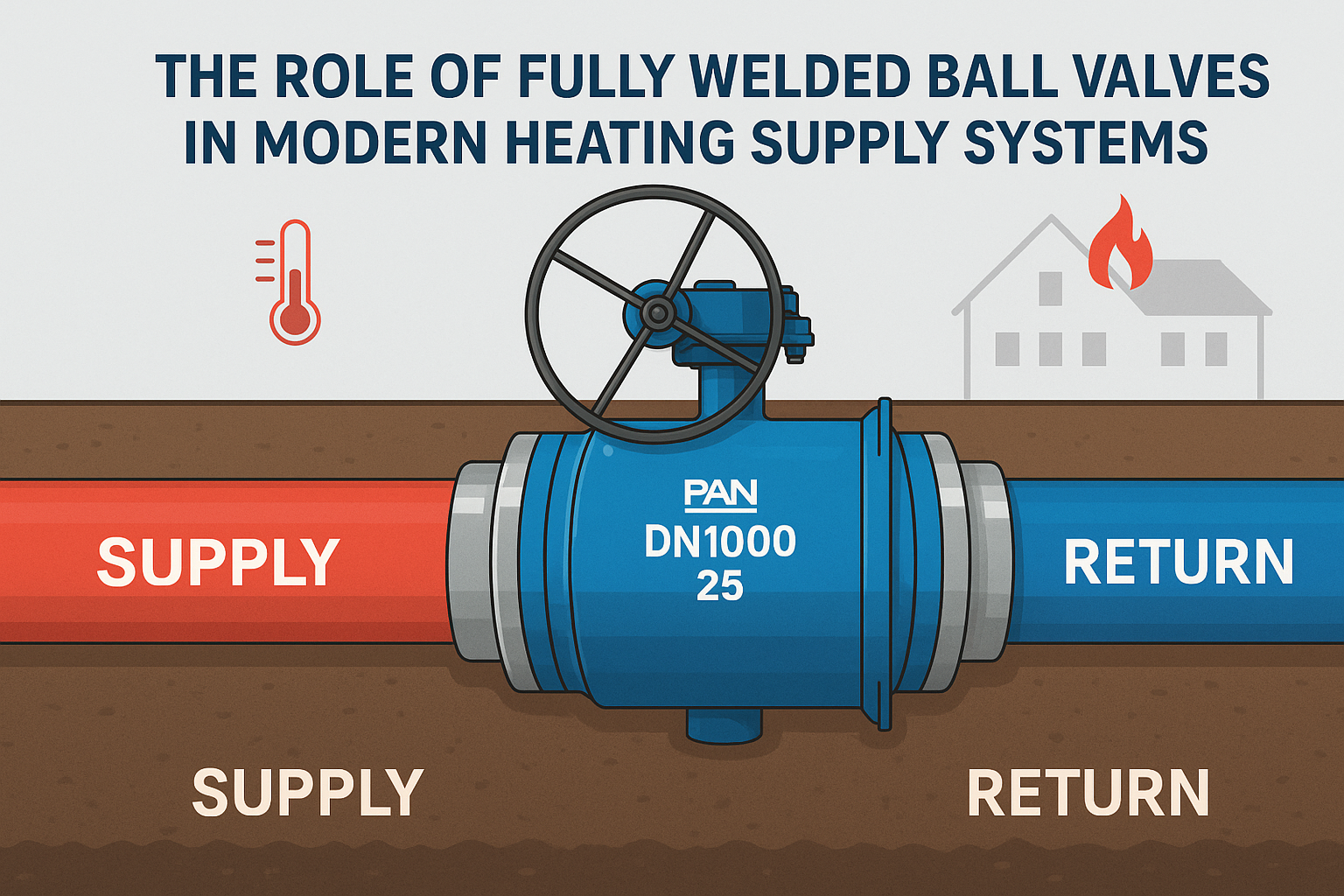
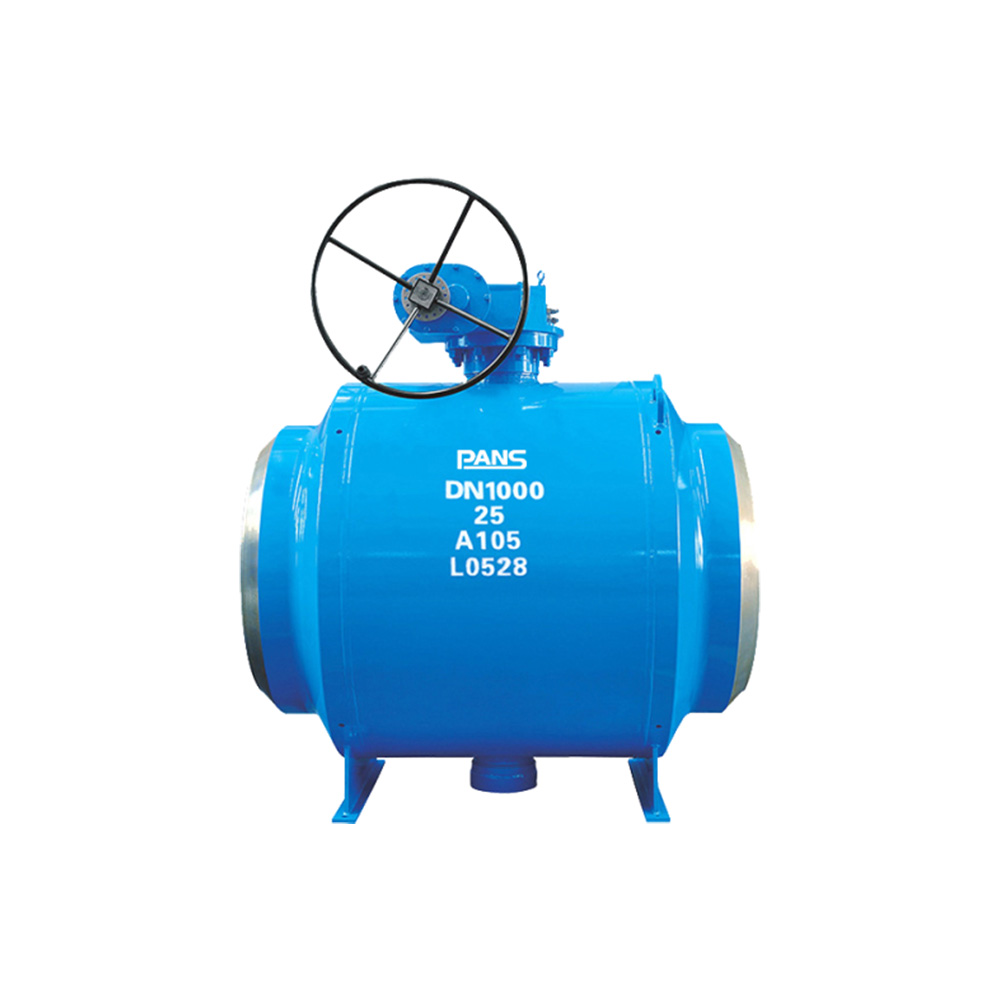
Fully welded ball valves ensure long-term efficiency, safety, and zero leakage in modern heating networks. They handle temperature shifts, resist high pressure, and work reliably for years without maintenance. This makes the heating supply fully welded ball valve a preferred choice for district and industrial networks. Challenges in Heating Networks: High Temps, Pressure, and Longevity […]
22 Jul,2025
Forged Steel vs. Cast Steel: A Deep Dive for Trunnion Mounted Fully Welded Ball Valves
Forged steel is the better choice if you need long-term strength, consistent sealing, and pressure resistance in a trunnion mounted fully welded ball valve. Cast steel makes more sense when the system runs at lower pressures, requires complex body shapes, or prioritizes cost over durability. The Forging Process: Superior Strength and Grain Structure Forged steel […]
22 Jul,2025
Built to Last: Why Fully Welded Ball Valves are Essential for Underground Pipelines
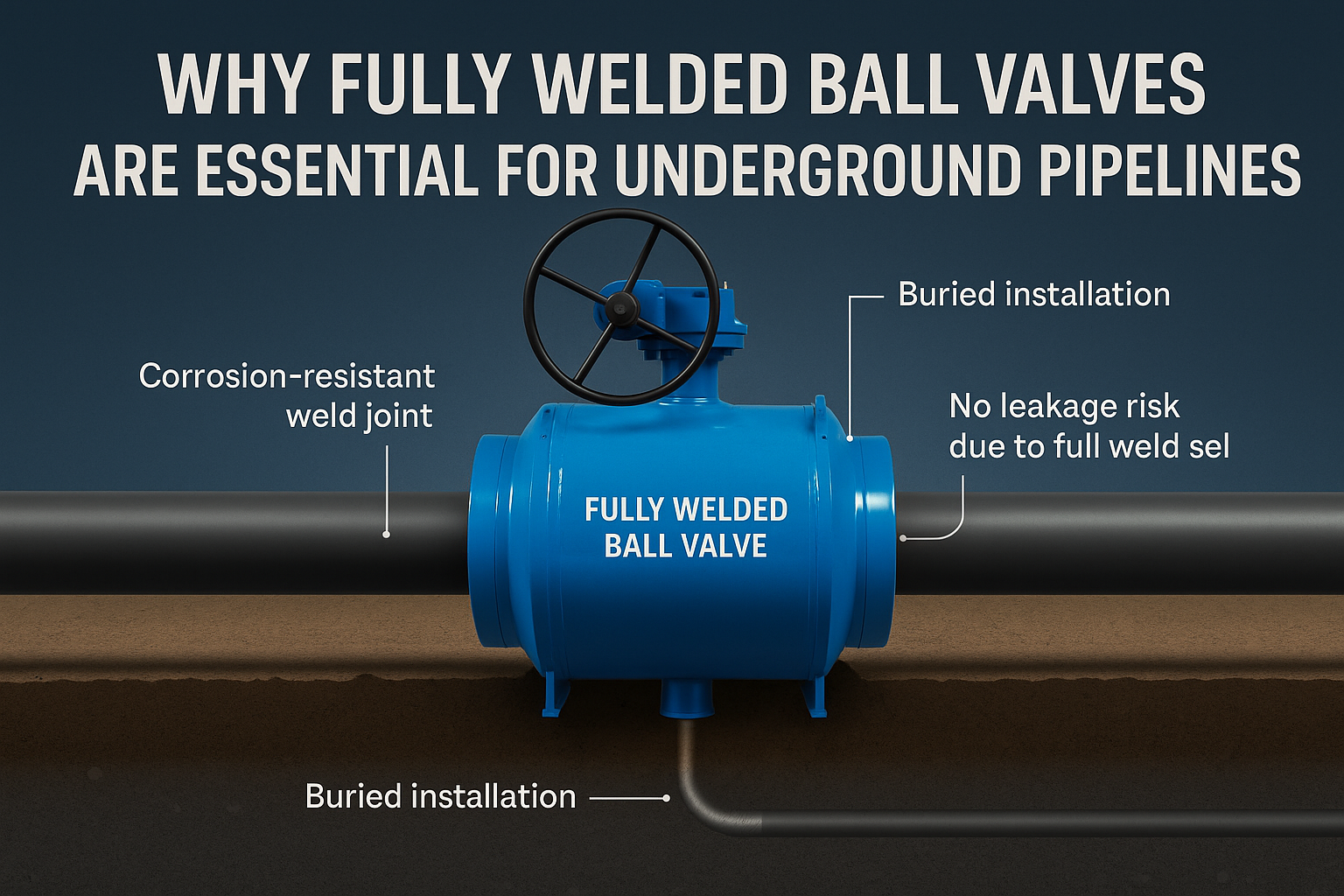
Fully welded ball valves are essential for underground pipelines because they eliminate leak paths, resist corrosion, and handle ground pressure without failure. Unlike traditional valves, they last longer and require less maintenance once buried. That’s why choosing a reliable underground fully welded ball valve manufacturer matters from day one. Key Advantages of Fully Welded Designs […]
26 Jun,2025
Selecting Forged Valves for High-Pressure Applications
Choosing forged valves for high-pressure applications requires considering pressure ratings that exceed operating conditions, material compatibility with process fluids, and temperature resistance for your specific environment. You also need to evaluate flow characteristics, safety margins, end connection requirements, and compliance with industry standards. Additional factors include high pressure valve for water systems, specialized designs for […]
26 Jun,2025
Understanding the Importance of ISO Certifications in Valve Manufacturing
ISO certifications in valve manufacturing are important because they guarantee quality control, ensure safety compliance, and reduce your procurement risks. Valve ISO standards like ISO9001, ISO14001, and ISO45001 mean you get consistent product quality, environmental responsibility, and verified manufacturing processes. For buyers, this translates to fewer defective valves, better supplier reliability, and confidence that valve […]
26 Jun,2025
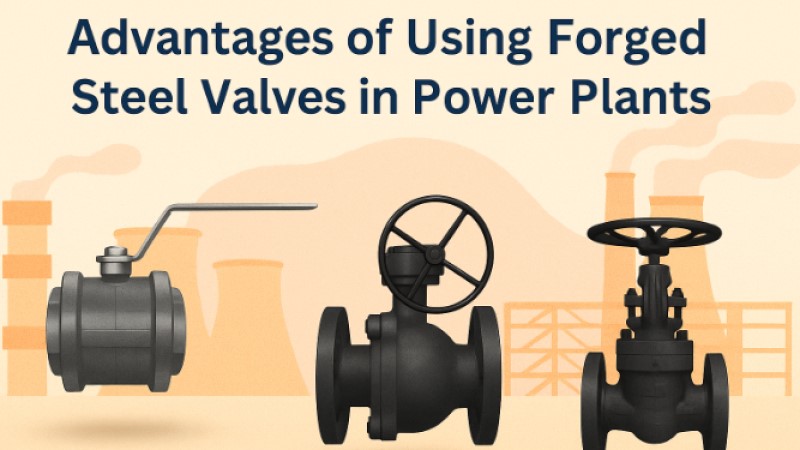
Advantages of Using Forged Steel Valves in Power Plants
Some of the advantages of using forged steel valve construction in power plants include exceptional durability, superior temperature resistance, and leak-proof operation under extreme pressures. These power plant valves also have lower long-term operational costs and deliver reliable performance that maintains safety standards. Why Power Plants Require Superior Valve Performance Power generation facilities operate under […]
Search
Categories
Tags
Product
- Ball Valve
- Floating Ball Valve
- Fully Welded Ball Valve
- Trunnion Ball Valve
- Butterfly Valve
- Full Metal-Seated Bi-Directional Butterfly Valve
- High Performance Butterfly Valve
- Three-Eccentric Metal Hard Seal Butterfly Valve
- Check Valve
- Cast Lift Check Valve
- Cast Swing Check Valve
- Wafer Type Check Valve
- DIN Valve
- DIN Bellow Sealed Globe Valve
- DIN Globe Valve
- DIN Rising Stem Gate Valve
- DIN Swing Check Valve
- Forge Valve
- Forged Check Valve
- Forged Floating Ball Valve
- Forged Gate Valve
- Forged Globe Valve
- Gate Valve
- Bellow Sealed Gate Valve
- Flat Gate Valve
- Wedge Gate Valve
- Globe Valve
- Cast Globe Valve
- Plug Valve
- Eccentricity Plug Valve
- Inverted Pressure Balance Lubricated Plug Valve
- Orbit Plug Valve
- Sleeve Type Plug Valve
- Slurry Valve
- Slurry Valve
- Strainer


