Choosing High Pressure Plug Valve for Desert Environments
Selecting high-pressure plug valves is crucial for desert oil and gas operations. Extreme heat and abrasive sandstorms create a harsh environment for metal components. Failure to choose the correct materials leads to leaks and costly downtime in remote pipeline locations.
This guide explains how to select the best materials for a high-pressure plug valve used in arid regions. We focus on durability against sand erosion and thermal expansion. You will learn about pressure classes and specific metal alloys suited for these conditions.
Understanding High-Pressure Plug Valve Ratings for Desert Operations
Selecting the right pressure class is vital for pipeline safety. Each rating serves a specific role in managing fluid force and thermal stress.
Plug Valve Class 300
This rating is common for low- to moderate-pressure gathering lines in desert oil fields where the fluid temperature remains stable. It is a cost-effective choice for utility lines that do not face extreme surges. Engineers often use this class for water injection or low-pressure gas transport.
Plug Valve Class 600
This is the standard for mid-stream pipelines, offering a balance between weight and strength for long-distance transport. In desert regions, these valves must handle high midday temperatures without losing seal integrity under thermal expansion. This class is frequently specified for natural gas transmission lines crossing arid plains.
Plug Valve Class 800
This rating is often found in upstream refinery applications. It provides extra wall thickness to resist the abrasive nature of sand-laden crude oil. It is a “bridge” between standard transport and high-pressure extraction. It ensures the high-pressure plug valve remains durable during sandstorms and heavy dust exposure.
Plug Valve Class 1500
This class is essential for high-pressure gas injection and wellhead control, handling pressures exceeding 3,700 PSI at standard temperatures. PANS VALVE manufactures these units with reinforced bodies to prevent metal fatigue. They are critical for the safety of remote desert sites where immediate maintenance is difficult.
Plug Valve Class 2500
This is the highest standard rating for ultra-high-pressure zones, mainly used in deep-well extraction and high-stress manifold systems. PANS VALVE also provides these units, featuring massive wall thicknesses to contain pressures up to 6,250 PSI. Using a plug valve of this caliber prevents catastrophic leaks in sensitive desert ecosystems.
Material Comparison: Carbon Steel vs. Stainless Steel
The choice between a carbon steel plug valve and stainless steel plug valves depends on the fluid type. Carbon steel, specifically ASTM A216 WCB, is a common choice for non-corrosive hydrocarbons. It offers excellent mechanical strength and is cost-effective for large-scale desert projects.
However, sand erosion is a major threat in regions like the Middle East. Wind-blown silica acts as an abrasive agent against exposed valve stems. While a carbon steel valve is strong, it may require extra exterior protection to withstand continuous sand exposure. Carbon steel is susceptible to external rusting if the desert air contains coastal salt.
For corrosive fluids or sour gas, an SS plug valve is the preferred technical solution. Using CF8 or CF8M (Stainless Steel 316) provides superior resistance to chemical attack. These stainless steel plug valves maintain their integrity even when internal fluids contain high levels of H2S.
Advantages
| Carbon Steel Plug Valves | Stainless Steel Plug Valves |
| Resistant to high pressure and temperatures.Ensures efficient performance in critical applications. Can be paired with different coatings for various applications. Highly recyclable. | Highly resistant to corrosion and suitable for harsh conditions. Long-term efficiency with minimized maintenance needs. Non-reactive, prevents contaminationGrowing use in hygiene-sensitive industries |
Protecting Against Sand and Temperature Swings
Desert environments experience temperature shifts of over 40°C in a single day. This causes metal expansion and contraction, which can ruin valve seals. A high-pressure plug valve must feature specialized seating materials to handle this thermal cycling.
Fine dust particles can enter the internal cavity of a valve. PANS VALVE design focuses on tight sealing to prevent sand from scoring the plug surface. Proper lubrication or the use of PTFE sleeves helps maintain a smooth operation. This design protects the plug valve from sticking in high-heat conditions.
Anti-corrosion coatings are also vital for external protection. Even an ss plug valve benefits from these that reflect solar heat, keeping the internal temperature of the valve more stable. Applying thermal sprays can also increase the surface hardness of a carbon steel plug valve.
Inverted Pressure Balance Lubricated Plug Valve
Bolt cover, structure of flip -chip balanceable pressure and light on/off operation.
Get A Quote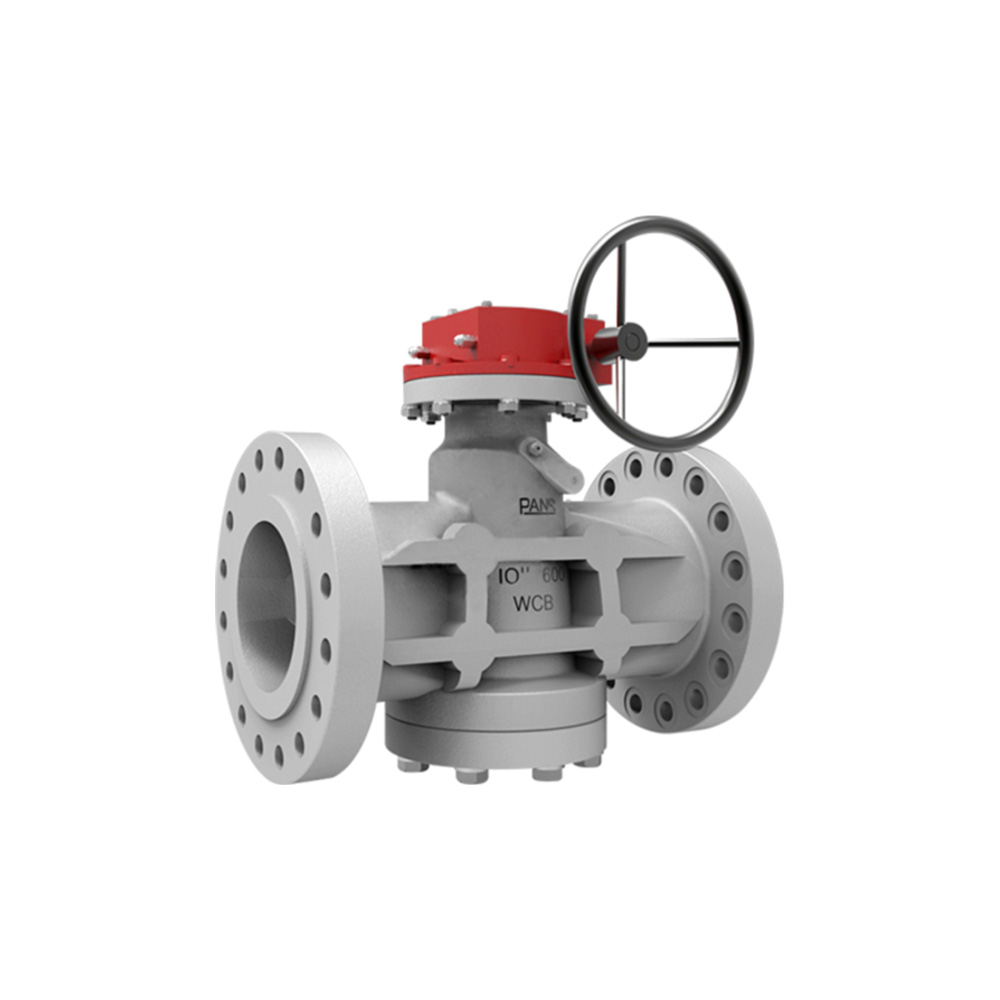
Conclusion
Choosing the right high pressure plug valve for desert conditions requires matching the correct pressure class with durable materials and protection against sand and extreme heat. The right selection minimizes failures, reduces downtime, and ensures best pipeline performance.
PANS VALVE provides expert solutions for the most demanding desert oil and gas environments. We manufacture a wide range of plug valve products that meet CE, API, and TÜV standards for global markets. We offer Class 1500, 2500, and ultra-high-pressure units focusing on sand resistance and thermal stability to ensure your pipelines’ optimal performance.
Contact us to discuss your specific material requirements for your next project.
Search
Categories
Tags
Product
- Ball Valve
- Floating Ball Valve
- Fully Welded Ball Valve
- Trunnion Ball Valve
- Butterfly Valve
- Full Metal-Seated Bi-Directional Butterfly Valve
- High Performance Butterfly Valve
- Three-Eccentric Metal Hard Seal Butterfly Valve
- Check Valve
- Cast Lift Check Valve
- Cast Swing Check Valve
- Wafer Type Check Valve
- DIN Valve
- DIN Bellow Sealed Globe Valve
- DIN Globe Valve
- DIN Rising Stem Gate Valve
- DIN Swing Check Valve
- Forge Valve
- Forged Check Valve
- Forged Floating Ball Valve
- Forged Gate Valve
- Forged Globe Valve
- Gate Valve
- Bellow Sealed Gate Valve
- Flat Gate Valve
- Wedge Gate Valve
- Globe Valve
- Cast Globe Valve
- Plug Valve
- Eccentricity Plug Valve
- Inverted Pressure Balance Lubricated Plug Valve
- Orbit Plug Valve
- Sleeve Type Plug Valve
- Slurry Valve
- Slurry Valve
- Strainer


