10 Jul,2026
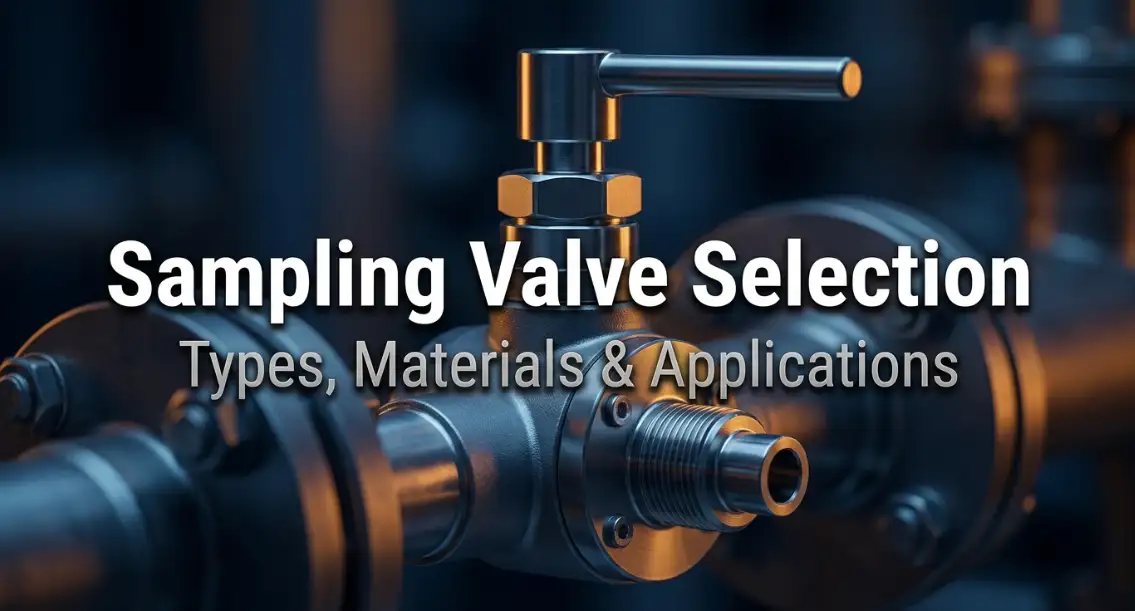
Sampling Valve Selection: Types, Materials & Applications in Process Industries
Quick Answer Selecting the wrong sampling valve compromises sample integrity, leading to unreliable data. Key factors include valve type—piston, ball, needle, or bottom-sampling—and material selection like 316L stainless steel or Hastelloy, which must match the process fluid. Proper installation using sampling loops minimizes dead volume and contamination. Compliance with industry standards such as FDA and […]
09 Jul,2026
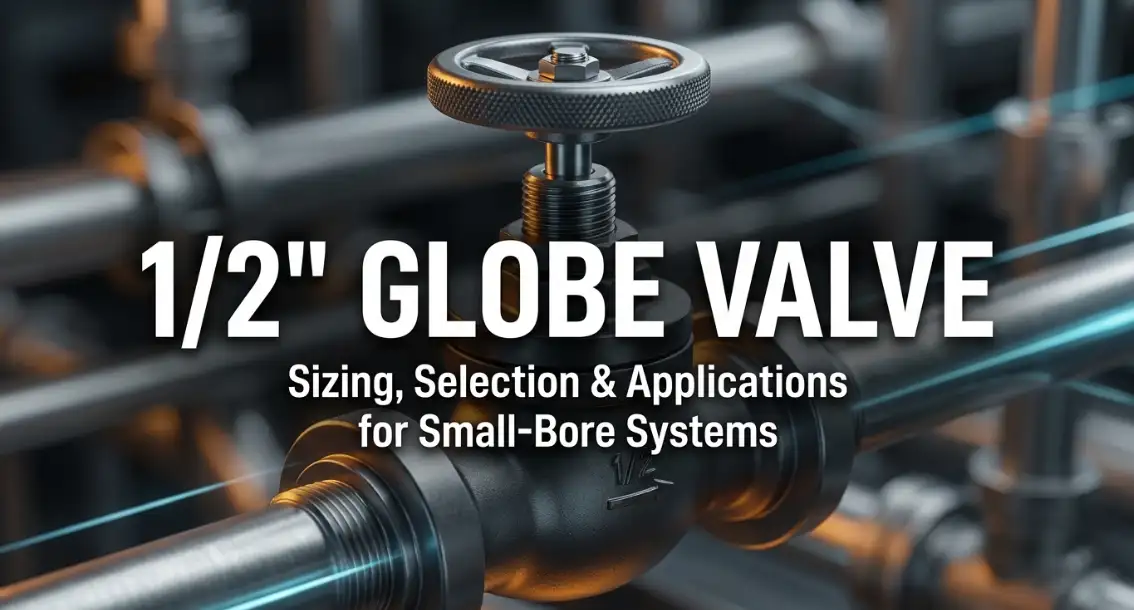
1/2″ Globe Valve: Sizing, Selection & Applications for Small-Bore Systems
A 1/2 globe valve controls flow through a disc that moves perpendicular to the seat. Throttling, shutoff, or both. At half-inch bore, it handles instrument connections, sampling lines, bypass circuits, and utility service points where larger valves are physically impractical. Getting the selection right means matching material, pressure class, and connection type to the actual […]
08 Jul,2026
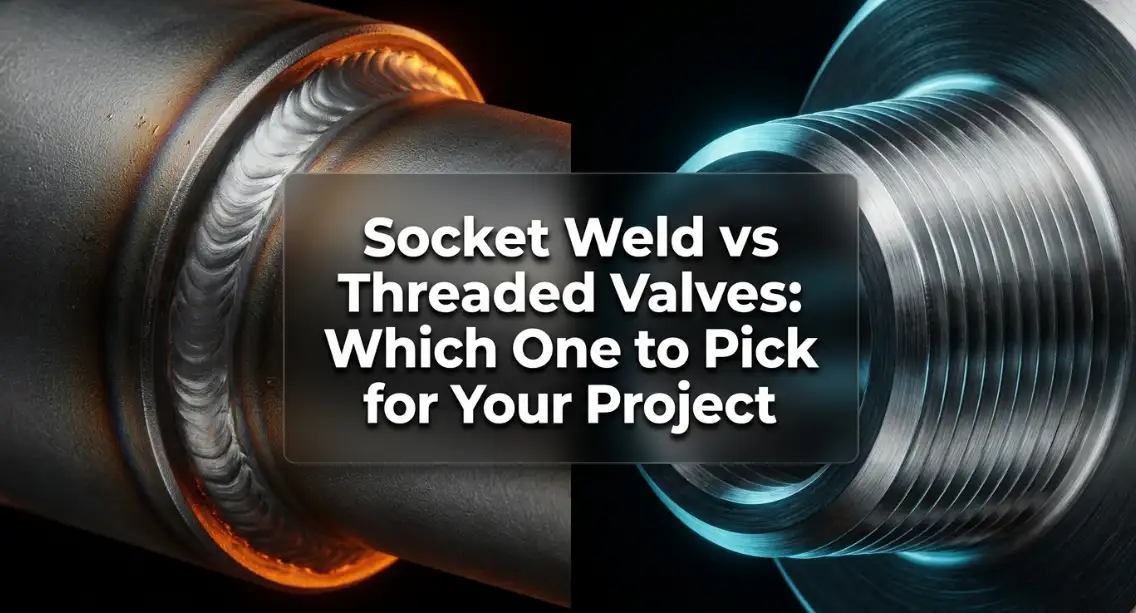
Socket Weld vs Threaded Valves: Which One Should You Pick for Your Project?
The choice between a socket weld valve and a threaded valve comes down to one question. What are the operating conditions? High-pressure steam, oil and gas, chemical pipelines. Those need permanent joints that do not loosen. Low-pressure utility systems and modular setups. Those need speed and the ability to disassemble. Wrong connection type and you […]
07 Jul,2026
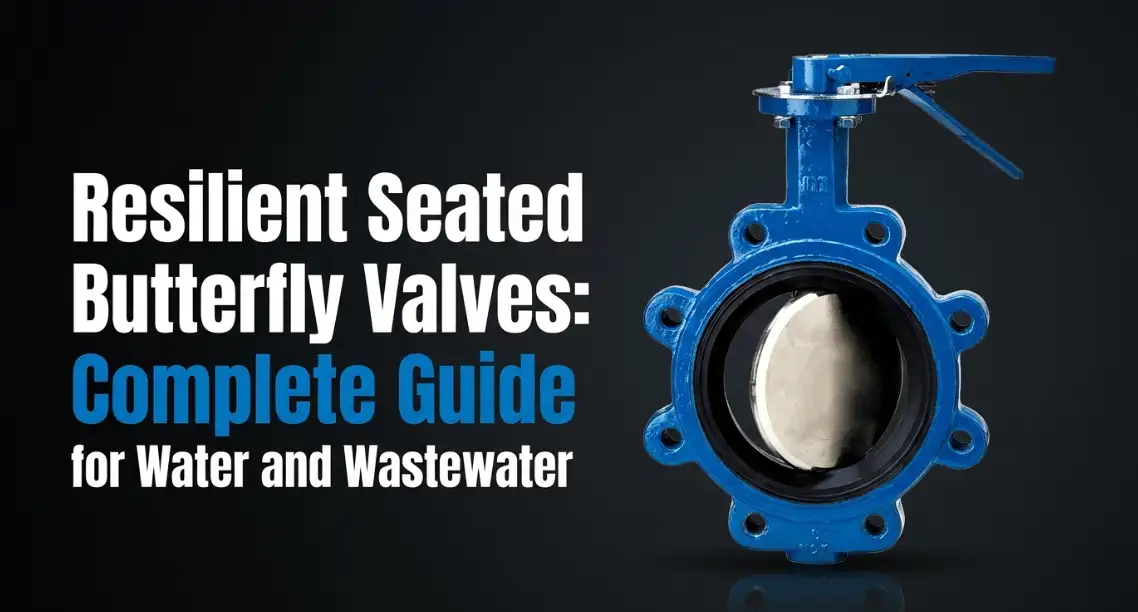
Resilient Seated Butterfly Valves: Complete Guide for Water & Wastewater Applications
Water treatment specs default to resilient seated butterfly valves for a reason. Not sophistication. Just results. An elastomer seat, a rotating disc, bubble-tight shutoff at moderate pressure. Three things working together. Low cost, simple assembly, reliable within its operating range. That is why this valve type shows up on almost every water, wastewater, and HVAC […]
06 Jul,2026
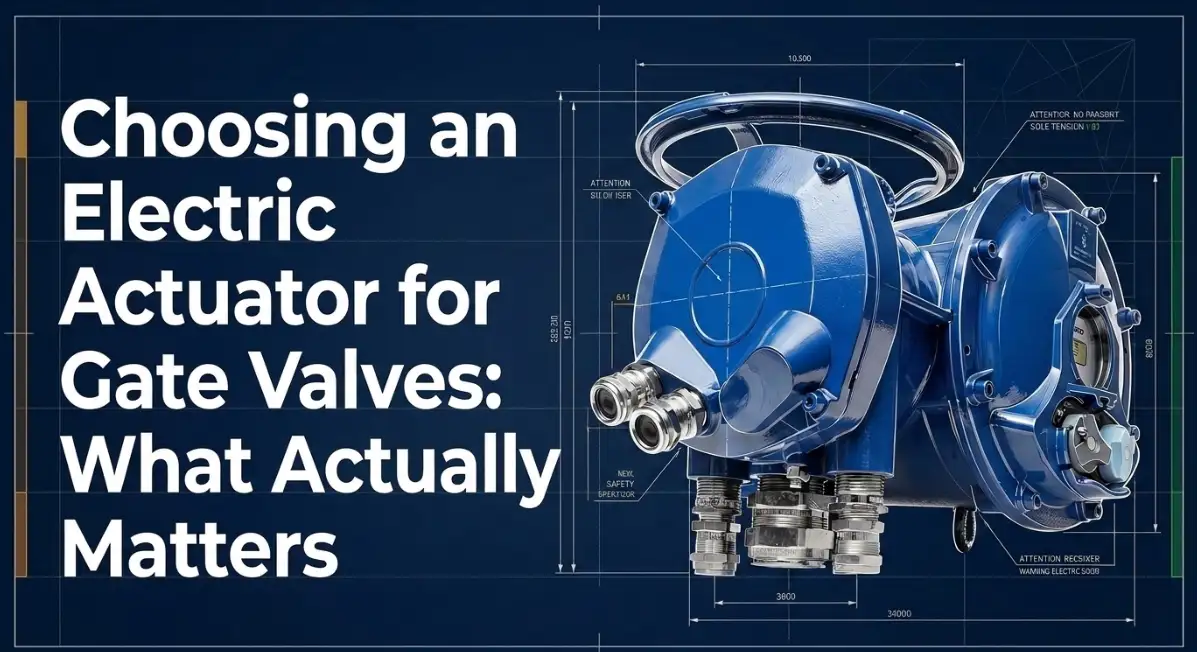
Choosing an Electric Actuator for Gate Valves: What Actually Matters
An electric gate valve actuator is not a universal fit. The same model that works on a 4-inch gate valve in water treatment will fail on an 8-inch gate valve in a high-pressure gas line. Torque, valve size, operating pressure, power supply, and fail-safety all interact. Get any one wrong and the failure shows up […]
29 Jun,2026
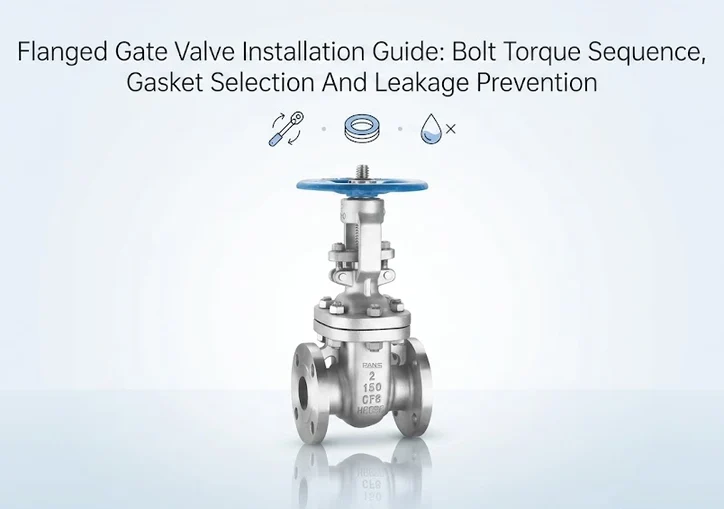
Flanged Gate Valve Installation Guide: Bolt Torque Sequence, Gasket Selection, and Leakage Prevention
A flanged gate valve can leak even when the valve itself is correct. Most site problems come from dirty flange faces, the wrong gasket, poor pipe alignment, uneven bolt loading, or rushed pressure testing. A clean installation plan helps prevent those issues before the line goes live. For cast steel pipeline isolation, buyers can review […]
27 Jun,2026
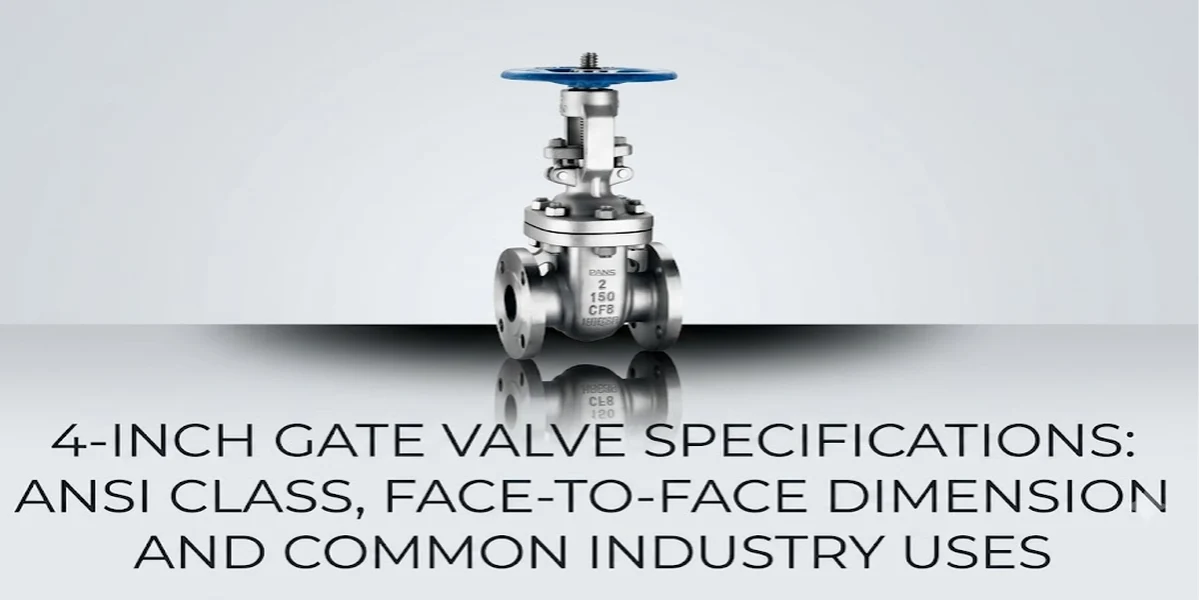
4-Inch Gate Valve Specifications: ANSI Class, Face-To-Face Dimension, and Common Industry Uses
A 4-inch gate valve is specified by ANSI class, ASME B16.10 face-to-face dimensions, flange facing, body material, and testing requirements. These details decide whether the valve fits petroleum, water, steam, or industrial isolation service. The size only confirms the nominal pipe connection. For many cast steel isolation orders, the PANS wedge gate valve is a […]
26 Jun,2026
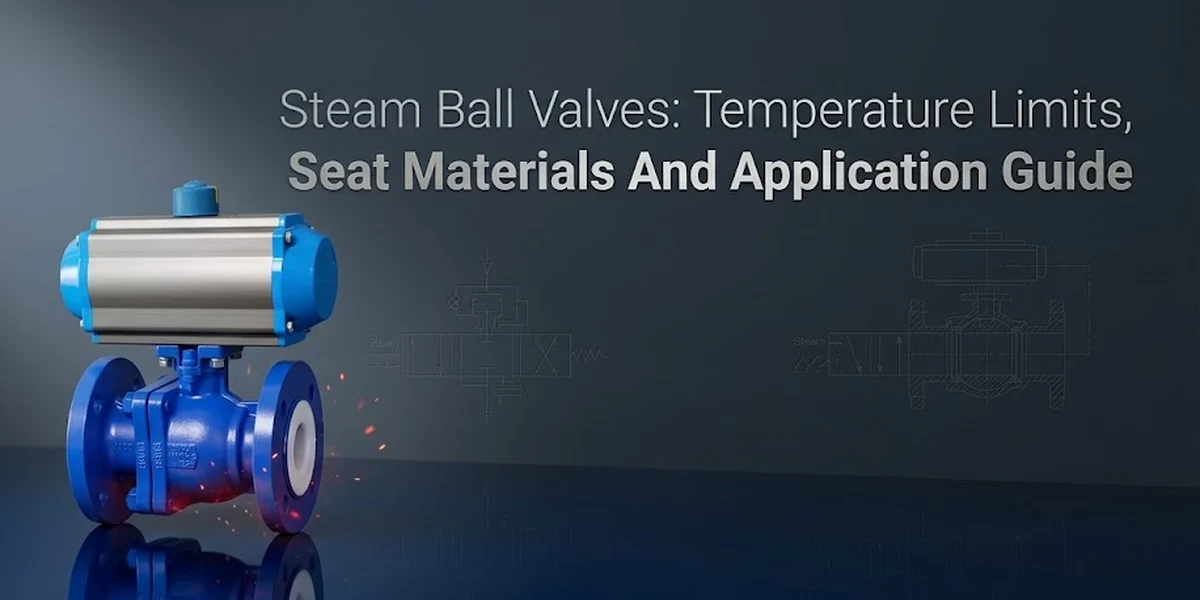
Steam Ball Valves: Temperature Limits, Seat Materials, and Application Guide
A steam ball valve can work in steam service only when its seat, packing, body material, and pressure class match the actual line temperature. Soft seats may fit clean, saturated steam. However, superheated steam, dirty condensate, and frequent cycling often need a metal-seated ball valve. For smaller on-off steam isolation duties, buyers can start by […]
24 Jun,2026
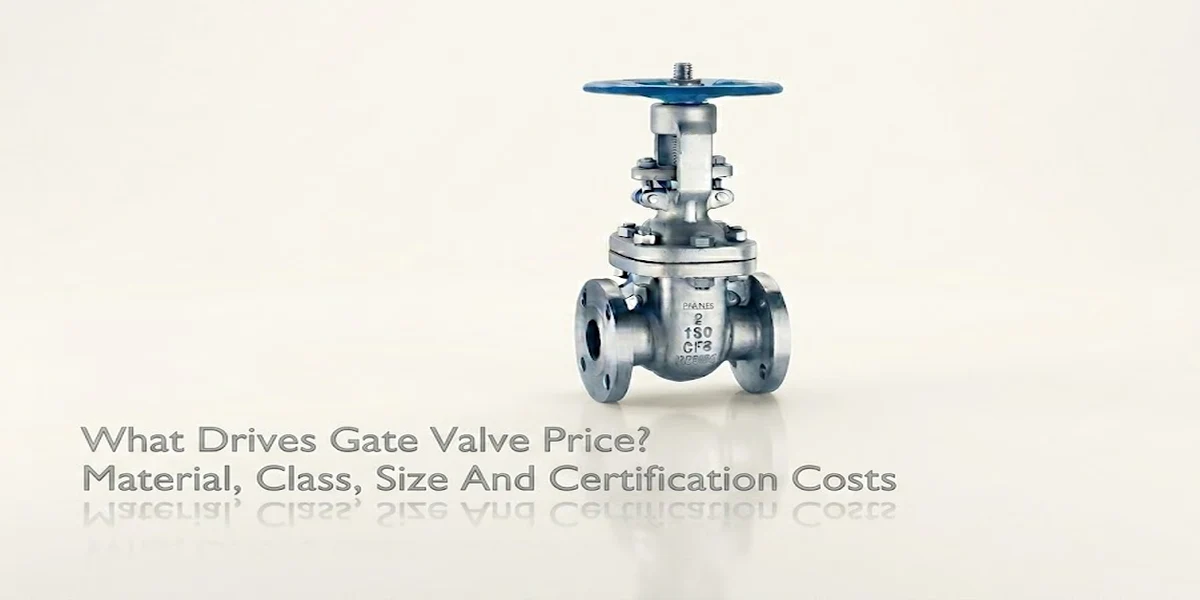
What Drives Gate Valve Price? Material, Class, Size, and Certification Costs
Gate valve price changes when the material, pressure class, size, end connection, testing scope, and documents change. A basic carbon steel valve for clean utility service is not priced like a stainless gate valve for chemical media, even when both valves use the same nominal size. For standard cast steel isolation service, buyers can start […]
Search
Categories
Tags
Product
- Ball Valve
- Floating Ball Valve
- Fully Welded Ball Valve
- Trunnion Ball Valve
- Butterfly Valve
- Full Metal-Seated Bi-Directional Butterfly Valve
- High Performance Butterfly Valve
- Three-Eccentric Metal Hard Seal Butterfly Valve
- Check Valve
- Cast Lift Check Valve
- Cast Swing Check Valve
- Wafer Type Check Valve
- DIN Valve
- DIN Bellow Sealed Globe Valve
- DIN Globe Valve
- DIN Rising Stem Gate Valve
- DIN Swing Check Valve
- Forge Valve
- Forged Check Valve
- Forged Floating Ball Valve
- Forged Gate Valve
- Forged Globe Valve
- Gate Valve
- Bellow Sealed Gate Valve
- Flat Gate Valve
- Wedge Gate Valve
- Globe Valve
- Cast Globe Valve
- Plug Valve
- Eccentricity Plug Valve
- Inverted Pressure Balance Lubricated Plug Valve
- Orbit Plug Valve
- Sleeve Type Plug Valve
- Slurry Valve
- Slurry Valve
- Strainer


