4-Inch Gate Valve Specifications: ANSI Class, Face-To-Face Dimension, and Common Industry Uses
A 4-inch gate valve is specified by ANSI class, ASME B16.10 face-to-face dimensions, flange facing, body material, and testing requirements. These details decide whether the valve fits petroleum, water, steam, or industrial isolation service.
The size only confirms the nominal pipe connection. For many cast steel isolation orders, the PANS wedge gate valve is a good starting point because buyers can compare gate valve dimensions, flange requirements, and inspection needs before finalizing the specification.
What Should A 4 Inch Gate Valve Specification Include?
In most industrial orders, 4 inches means NPS 4. Some projects use DN100. Either way, the nominal size does not confirm pressure class, body material, or installation length.
This is the common gap in purchasing. The buyer sends a size. The supplier quotes a valve. Later, someone asks about face-to-face length, flange face, material certificates, or API testing. By then, the quote may need to be rebuilt.
A stronger request includes the size, class, flange standard, face type, material, medium, temperature, pressure, and testing requirements from the start.
Which ANSI Class Should A 4 Inch Gate Valve Use?
A Class 150 valve and a Class 600 valve are not built the same way. Higher classes usually mean thicker walls, stronger bolting, higher test pressure, and more weight.
ASME B16.34 is the standard buyers use to check pressure-temperature ratings, materials, testing, and marking. This matters because heat can lower the pressure a valve can safely handle.
Do not approve ANSI class from pressure alone. For steam, petroleum, and gas service, include the operating temperature in the inquiry.
What Are Common 4 Inch Gate Valve Face-To-Face Dimensions?
Face-to-face dimensions matter when the pipe gap is already fixed. Replacement jobs, skid packages, and pipe racks often leave little room for adjustment.
If the valve is too short or too long, the crew may need to modify the pipe or spool piece. ASME B16.10 helps prevent this issue by standardizing valve lengths.
For quick checking, common NPS 4 flanged steel gate valve dimensions include:
| Class | Face-To-Face Dimension |
| Class 150 | 9.00 in / 229 mm |
| Class 300 | 12.00 in / 305 mm |
| Class 600 | 17.00 in / 432 mm |
| Class 900 | 18.00 in / 457 mm |
| Class 1500 | 26.50 in / 673 mm |
| Class 2500 | 30.00 in / 762 mm |
Use these numbers for early review only. The final drawing should still control the purchase.

Flanged Ends Need More Than A Matching Size
A 4-inch flanged gate valve must match the site flange. Check flange class, bolt hole pattern, facing type, and gasket style before production.
The ASME B16.5 pipe flange standard covers flanges and flanged fittings from NPS 1/2 through NPS 24. It includes dimensions, tolerances, materials, marking, and pressure-temperature ratings.
Here is the simple field issue: raised face, flat face, and RTJ flanges do not use the same sealing setup. If this is missed, the valve can be correct in size but wrong for installation.
For straight-through pipeline service, the PANS flat gate valve may also be relevant. Buyers can compare it when pressure drop, pipeline layout, or full-size flow path is part of the decision.
How Much Space Does A 4 Inch Gate Valve Need?
Gate valve dimensions include height and operator clearance, too. A rising stem needs room to travel. A gear operator or actuator may need more side space than a handwheel.
This matters in tight areas. Pump rooms, packaged skids, and pipe racks often leave little room for maintenance. A valve that fits between flanges can still be awkward to operate if the handwheel or stem clearance is blocked.
Ask for a general arrangement drawing when space is tight. It gives the site team a better chance to catch clearance problems before shipment.
Where Are 4 Inch Gate Valves Commonly Used?
A 4-inch gate valve is common in water, petroleum, gas, and plant utility service. The best material and class still depend on pressure, temperature, medium, and inspection requirements.
Water And Utility Service
A 4-inch gate valve is often used on pump discharge, filter headers, cooling water, and distribution branches. Carbon steel or stainless steel selection should follow pressure and corrosion risk.
Petroleum And Gas Service
In petroleum work, NPS 4 gate valves may isolate fuel oil, crude oil, light oil, or gas utility lines. These orders may need API 600 requirements and stronger inspection documents.
Industrial Plant Service
In industrial plants, this size can serve steam, compressed air, non-corrosive gases, and process utility lines. For hot media, the pressure-temperature rating should be checked before approval.
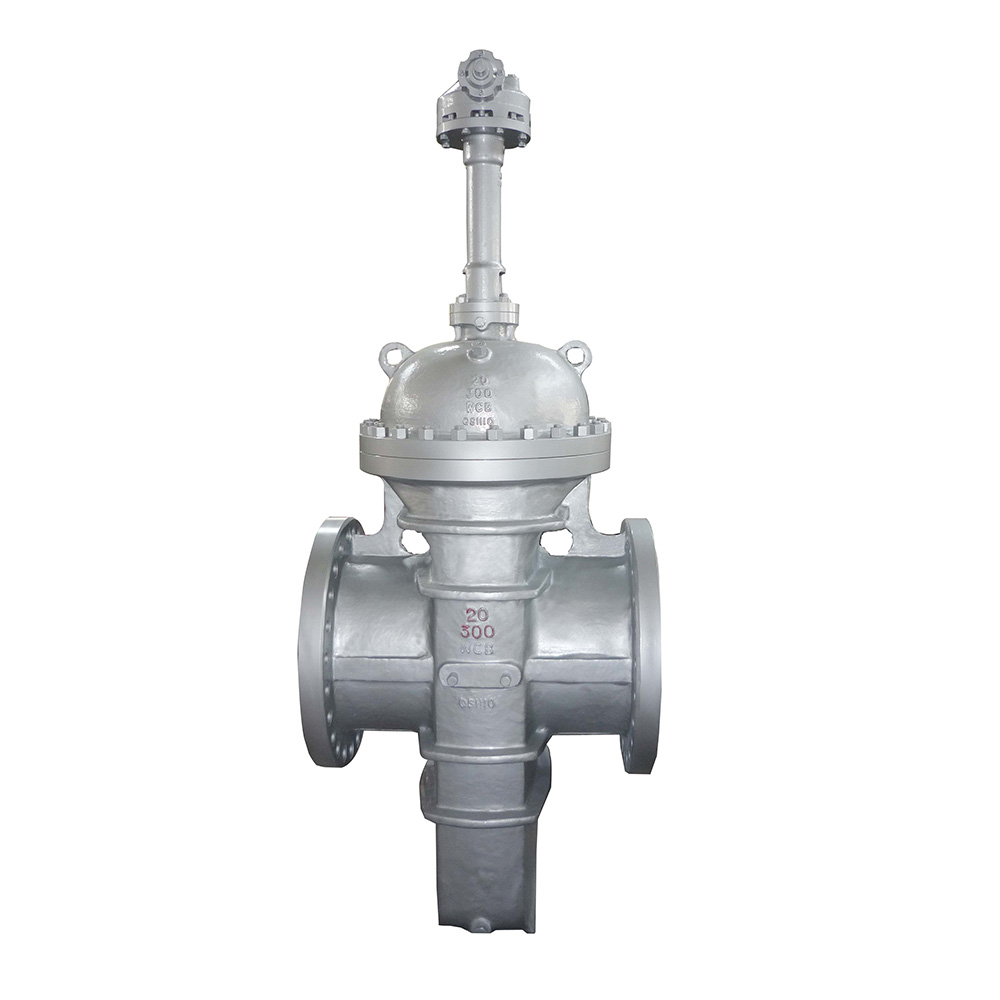
Flat Gate Valve
Design & Manufacture Standard: API 6D / ASME B16.34
Face to Face: ASME B16.10
What Should Buyers Send For A 4 Inch Gate Valve Quote?
A complete quote starts with clear project data. Buyers should send the size, class, end connection, material, medium, and testing requirements before asking for the price.
| Detail To Send | Example |
| Size | NPS 4 / DN100 |
| Class | Class 150, Class 300, Class 600, Class 900 or higher |
| Ends | RF flange, RTJ flange, BW or project-specific end |
| Material | Carbon steel, stainless steel or alloy steel |
| Medium | Water, steam, oil, gas or chemical service |
| Testing | API 598, project inspection, or third-party witness inspection |
This table does not replace the drawing. It helps buyers avoid missing basic details before requesting a price.
Short Buyer Questions
1. Is NPS 4 Always DN100?
In many projects, yes. Still, confirm the pipe standard, flange system, and drawing before ordering.
2. What Controls Face-To-Face Dimensions?
The valve standard, pressure class, end connection, and project drawing control the final face-to-face dimension.
3. When Should Buyers Ask For A Drawing?
Ask for a drawing when replacing an existing valve, working in a tight layout, or buying for a project with strict dimensional checks.
Order The Valve That Fits The Site
A 4-inch gate valve should fit more than the pipe size. It also needs to match the class rating, flange system, pipe gap, material requirement, and inspection plan. When those details are clear, the valve is easier to approve, install, and inspect.
PANS can support buyers who need gate valves for different industry standards and urgent project schedules. Early comparison of wedge and flat gate valve options can reduce drawing changes. It can also help avoid fit-up problems and keep replacement orders moving.
Search
Categories
Tags
Product
- Ball Valve
- Floating Ball Valve
- Fully Welded Ball Valve
- Trunnion Ball Valve
- Butterfly Valve
- Full Metal-Seated Bi-Directional Butterfly Valve
- High Performance Butterfly Valve
- Three-Eccentric Metal Hard Seal Butterfly Valve
- Check Valve
- Cast Lift Check Valve
- Cast Swing Check Valve
- Wafer Type Check Valve
- DIN Valve
- DIN Bellow Sealed Globe Valve
- DIN Globe Valve
- DIN Rising Stem Gate Valve
- DIN Swing Check Valve
- Forge Valve
- Forged Check Valve
- Forged Floating Ball Valve
- Forged Gate Valve
- Forged Globe Valve
- Gate Valve
- Bellow Sealed Gate Valve
- Flat Gate Valve
- Wedge Gate Valve
- Globe Valve
- Cast Globe Valve
- Plug Valve
- Eccentricity Plug Valve
- Inverted Pressure Balance Lubricated Plug Valve
- Orbit Plug Valve
- Sleeve Type Plug Valve
- Slurry Valve
- Slurry Valve
- Strainer


