Sampling Valve Selection: Types, Materials & Applications in Process Industries
Pick the wrong sampling valve and the sample tells you nothing useful about the actual process fluid. Dead volume traps stagnant fluid. Wrong material contaminates what it is measuring. Wrong type gives inconsistent volumes or flow rates that make the analysis unreliable. Every one of those problems traces back to a selection decision made before installation. This guide covers the decisions that actually matter.
What Is a Sampling Valve and Why It Matters
A sampling valve extracts process fluid samples for quality control, testing, and analysis. Not a standard isolation valve. Specifically designed to minimize dead volume, prevent contamination, and maintain process integrity during and after the sample is taken.
In pharmaceutical manufacturing, a contaminated sample can trigger a batch rejection. In chemical processing, a sample mixed with stagnant fluid from the valve dead volume gives readings that do not match what is actually in the process. Sample integrity depends on valve design, material, and installation. Get one of those wrong and the data is wrong. Decisions get made on wrong data.
Types: Piston, Ball, Needle, Bottom-Sampling
Sampling valve types differ in how they handle dead volume and the specific fluid being sampled. Four types cover most industrial applications.
Piston valves push a fixed fluid volume into the sample container per stroke. Consistent. Low dead volume. Common in pharmaceutical and food applications where sample volume consistency is a regulatory requirement, not just a preference.
Ball valves use a bored ball for fast open and close. Good for liquid and gas service. More dead volume than piston types. Easier to clean in place. Standard in chemical and petrochemical sampling where speed matters more than precise volume.
Needle valves use a tapered needle against a seat. Fine flow control. Suited to high-pressure gas sampling where the flow rate to the analyzer needs to be precisely regulated. Needle valve sampling shows up frequently in analyzer conditioning systems.
Bottom-sampling valves mount at the lowest point of a vessel. Extract settled or stratified fluid from the bottom layer. Used in tank farms where the sample needs to represent what is sitting at the bottom, not what is floating above it.
Industries: Pharmaceutical, Chemical, Food, Petrochemical
Same valve category. Very different requirements depending on which industry it is going into.
Pharmaceutical manufacturing requires FDA and ASME BPE compliant designs. Electropolished 316L stainless steel internal surfaces. Zero dead volume. Full drainability between samples. Pharmaceutical process sampling cannot tolerate any design that lets fluid sit between one sample and the next.
Chemical sampling valve applications cover corrosive fluid service, high-temperature reactor sampling, and solvent systems. Material compatibility is the whole decision. Food and beverage needs smooth surfaces, no crevices, easy cleanability, 3-A Sanitary Standards compliance. Petrochemical covers everything from crude oil at the wellhead to product sampling at refinery unit outlets.
Material Selection for High-Purity: 316L, Hastelloy, PTFE Seats
Material selection for a high purity sampling valve determines both chemical resistance and whether the valve itself contaminates the sample.
316L stainless steel is the standard for pharmaceutical, food, and general chemical service. Low carbon content reduces sensitization at weld zones. Electropolished surfaces resist bacterial adhesion. Hastelloy C-276 handles aggressive acids, chloride environments, and oxidizing streams where 316L fails. PTFE seats are chemically inert against almost everything. Standard in high-purity and semiconductor applications where even trace metal ions in the sample are unacceptable.
Sampling Loop Installation Best Practices
A sampling loop circulates process fluid continuously past the sampling valve connection point. Eliminates the dead volume problem that comes with a simple branch connection off the main line.
Loop runs from the process line, past the valve, and back to the process at a lower pressure point. Fluid moves constantly. Open the valve and you get fluid that is actually representative of current process conditions, not fluid that has been sitting in a branch for the last two hours. Sampling loop velocity needs to be high enough to flush the loop volume in seconds, not minutes.
Common Issues: Contamination, Dead Volumes, Corrosion
Dead volume causes most sampling errors. Stagnant fluid in the valve body or branch connection drifts away from actual process conditions over time. The first fluid out when sampling begins is from that dead volume. Not from the process.
Corrosion releases metal ions into the sample and eventually causes mechanical failure. Generic chemical compatibility charts are not enough. Match material selection to the actual fluid chemistry at the actual operating temperature. Cross-contamination between samples happens when the valve design traps residual fluid from the previous sample. Piston designs with purge capability solve that problem specifically.
Standards and Compliance: FDA, ASME BPE, 3-A
Sampling valve types in regulated industries have to meet specific standards that define design requirements, not just material specifications.
ASME BPE covers bioprocessing equipment including sampling valves in pharmaceutical manufacturing. Internal surface finish requirements, material traceability, dimensional standards for connections. 3-A Sanitary Standards apply to food and dairy. FDA 21 CFR covers food contact materials. Compliance documentation for regulated applications requires material certificates, surface finish records, and pressure test data from the manufacturer, not just a declaration of conformity.
PANS Valve Sampling Applications
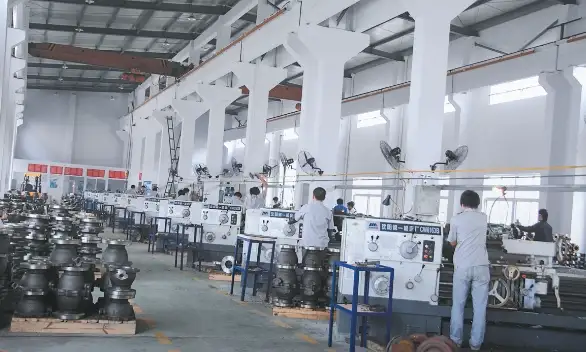
PANS Valve manufactures forged globe valves and ball valves in configurations suited to process sampling applications across chemical, petrochemical, and industrial service.
For chemical sampling valve applications needing corrosion-resistant materials and high-pressure ratings, PANS produces forged globe valves in carbon steel, stainless steel 316, and duplex stainless steel. Pressure classes from ANSI 150 through ANSI 2500. Socket weld, threaded NPT, and butt weld end connections to match whatever the sampling loop design requires.
36 years of forged valve manufacturing. API and CE certified. ASME standard compliance. 24-hour quotation turnaround. 20-day delivery on most standard configurations. Get in touch to discuss your sampling valve requirements and get a technical recommendation for your specific process conditions.
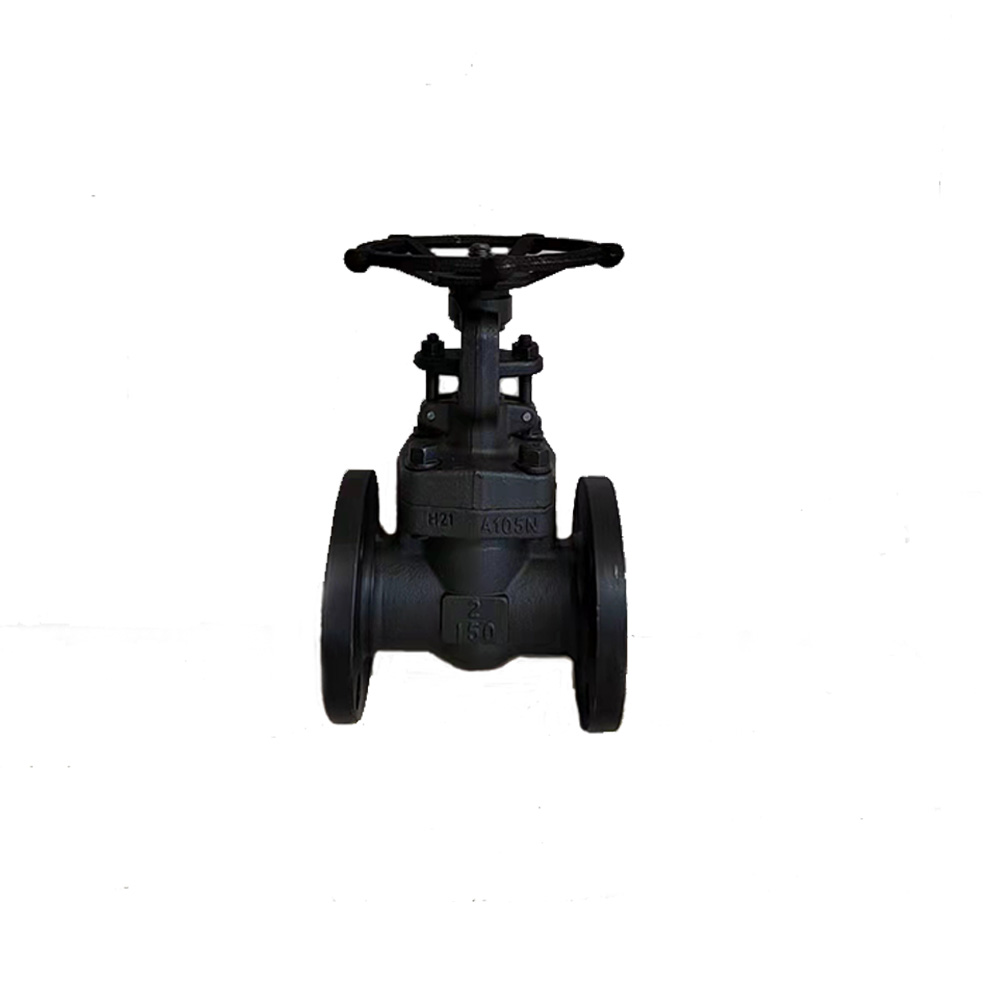
Forged Gate Valve
Design & Manufacture Standard: API 602
Face to Face: Manufacturer Standard
Frequently Asked Questions
How do I choose the right sampling valve for my application?
Choose based on the process fluid, pressure, temperature, purity requirements, and industry standards. Sanitary applications need low-dead-volume designs, while chemical processes require materials compatible with corrosive media. Also consider the connection type and installation method.
What is a sampling valve?
A valve designed to extract representative fluid samples from process lines or vessels for quality control and analysis. It minimizes dead volume and contamination to ensure the sample accurately reflects actual process conditions at the extraction point.
Why is dead volume important in sampling valves?
Dead volume traps stagnant fluid inside the valve, which can contaminate the next sample and reduce accuracy. Low- or zero-dead-volume designs help ensure samples represent current process conditions and improve the reliability of laboratory analysis.
What should I look for when choosing a sampling valve supplier?
Choose a supplier with industry experience, recognized certifications, quality testing, and material traceability. They should offer suitable pressure ratings, material options, technical support, and documentation to ensure the valve meets your process and regulatory requirements.
Search
Categories
Tags
Product
- Ball Valve
- Floating Ball Valve
- Fully Welded Ball Valve
- Trunnion Ball Valve
- Butterfly Valve
- Full Metal-Seated Bi-Directional Butterfly Valve
- High Performance Butterfly Valve
- Three-Eccentric Metal Hard Seal Butterfly Valve
- Check Valve
- Cast Lift Check Valve
- Cast Swing Check Valve
- Wafer Type Check Valve
- DIN Valve
- DIN Bellow Sealed Globe Valve
- DIN Globe Valve
- DIN Rising Stem Gate Valve
- DIN Swing Check Valve
- Forge Valve
- Forged Check Valve
- Forged Floating Ball Valve
- Forged Gate Valve
- Forged Globe Valve
- Gate Valve
- Bellow Sealed Gate Valve
- Flat Gate Valve
- Wedge Gate Valve
- Globe Valve
- Cast Globe Valve
- Plug Valve
- Eccentricity Plug Valve
- Inverted Pressure Balance Lubricated Plug Valve
- Orbit Plug Valve
- Sleeve Type Plug Valve
- Slurry Valve
- Slurry Valve
- Strainer


