1/2″ Globe Valve: Sizing, Selection & Applications for Small-Bore Systems
A 1/2 globe valve controls flow through a disc that moves perpendicular to the seat. Throttling, shutoff, or both. At half-inch bore, it handles instrument connections, sampling lines, bypass circuits, and utility service points where larger valves are physically impractical. Getting the selection right means matching material, pressure class, and connection type to the actual service conditions. Not defaulting to whatever is cheapest or most available.
When to Use a 1/2″ Globe Valve
Globe valves suit applications requiring throttling or frequent operation. The disc-to-seat design provides more precise flow control than a gate valve and better shutoff than a ball valve in throttling service.
Gate valves in small bore sizes wear fast under throttling duty. Partial opening creates high-velocity flow across the disc and erodes the seat. Ball valves throttle poorly because the ball geometry creates turbulent flow at intermediate positions. The half inch globe valve disc geometry is designed specifically for this duty. That is why it appears on steam trap bypass lines, analyzer sample connections, and chemical injection points where control accuracy matters more than minimizing pressure drop.
Professional Globe Valve Manufacturer
As a trusted globe valve manufacturer, we engineer API 600 valves for precise flow control and reliable throttling in demanding applications.
Get A Quote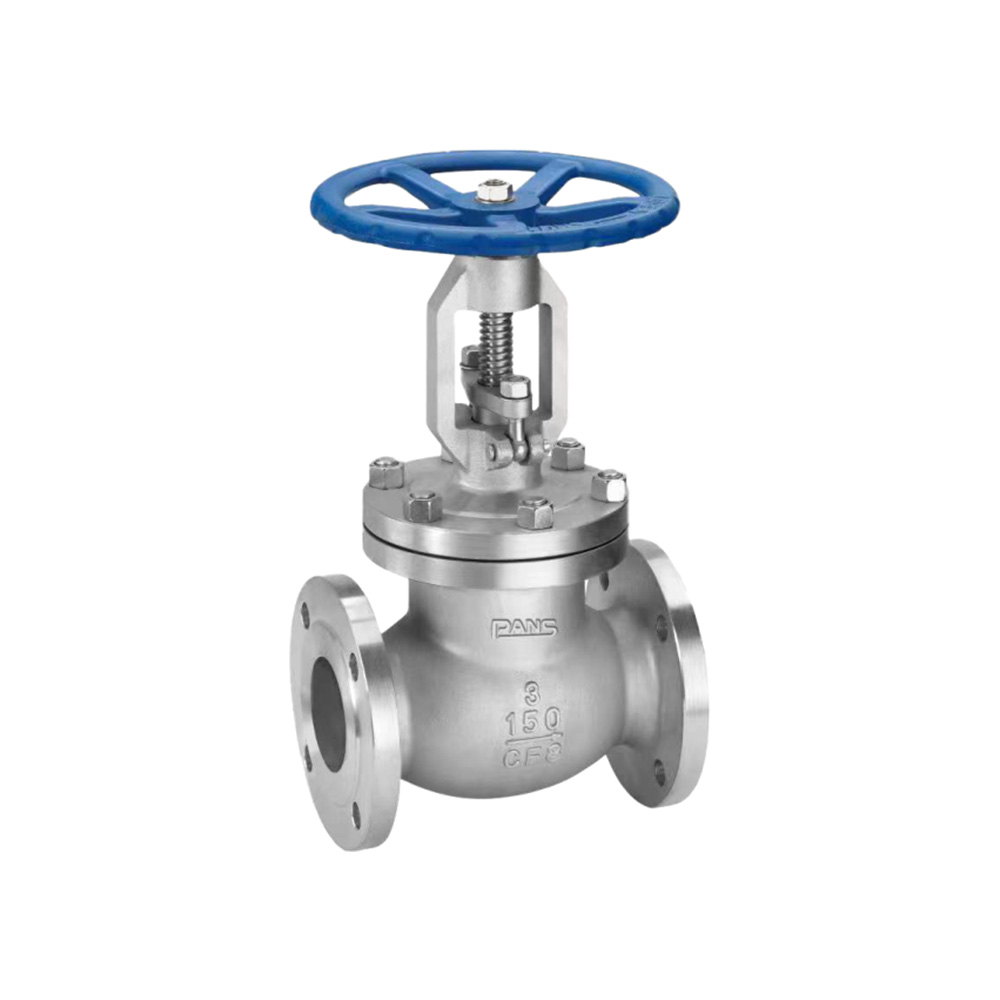
Common Applications: Instrumentation, Sampling, Bypass Lines
Small bore globe valves in half-inch size show up consistently across several industrial piping application categories.
Instrumentation root valves isolate pressure transmitters, flow meters, and level instruments from the process line. Sampling connections on chemical and refinery process lines use 1/2 globe valves to control sample fluid flow to analyzers or manual collection points. Steam trap bypass lines use them for manual bypass during maintenance. Chemical injection quills use them to control dosing rates. Instrument air supply headers use them as individual isolation valves for pneumatic instruments across a panel.
Material Selection for Small-Bore Globe Valves
Material selection for a small bore globe valve follows the same process fluid compatibility logic as larger valves. The small bore does not change the chemical exposure.
Carbon steel suits hydrocarbon service, steam, and general utility applications. Stainless steel 316 handles corrosive chemicals, high-purity applications, and chloride-containing environments. Duplex stainless steel suits offshore and high-chloride service where standard 316 risks pitting corrosion. Body material versus trim material is a separate decision. The trim contacts the process fluid at the seating surfaces. Specifying the correct trim material for the actual fluid chemistry matters as much as the body.
Connection Types: Threaded, Socket Weld, Compression
A half inch globe valve comes in three common end connection formats.
Threaded NPT connections are fastest to install and easiest to replace. They suit low-pressure utility service and instrument connections where disassembly for maintenance is expected. Socket weld connections provide a permanent, higher-pressure rated joint for high-pressure steam, hydrocarbon, and chemical service where a threaded joint lacks sufficient leak or vibration resistance. Compression fittings suit instrument tubing connections in small-bore instrument systems where standard pipe threads are not used.
Pressure and Temperature Ratings: ANSI Class 150 to 4500
Pressure class selection for a 1 2 inch globe valve follows ANSI B16.34 ratings. The pressure-temperature relationship changes with both the class rating and the body material.
Class 150 handles up to 285 psi at ambient temperature in carbon steel. Class 800 handles up to 1975 psi at ambient temperature in carbon steel. That is the standard specification for forged small-bore globe valves in high-pressure process service. Class 1500 and Class 2500 apply in high-pressure steam and wellhead service above the Class 800 ceiling. Forged versus cast body construction matters at higher pressure classes. Forged bodies have better mechanical properties at the same wall thickness, which is why forged construction is standard for Class 800 and above in small-bore sizes.
Sizing Calculations for Small-Bore Applications
Sizing a 1/2 globe valve for throttling service requires calculating the required Cv coefficient. Cv represents the flow of water in US gallons per minute at a 1 psi pressure drop across the valve.
The formula: Cv equals flow rate divided by the square root of pressure drop divided by fluid specific gravity. For half-inch globe valves, Cv values typically run 0.5 to 4.0 depending on valve design and trim configuration. Too low and you get excessive pressure drop. Too high and the valve operates near fully open, losing throttling control authority. Globe valve Cv selection for small-bore applications needs a realistic assessment of both minimum and maximum flow conditions, not just design flow.
Installation and Maintenance Considerations
Globe valves are directional. The flow arrow on the body must match pipe flow direction. Installing backwards forces the disc open under flow pressure rather than holding it closed. That affects shutoff performance and causes stem seal leakage under high differential pressure.
Packing maintenance is the primary ongoing task on a small bore globe valve. Stem packing creates the seal against external leakage. It compresses over time and loses effectiveness. Retightening the packing gland nut or repacking during a scheduled maintenance window prevents external leakage before it becomes a safety issue. Packing material selection should match the process temperature and fluid chemistry. PTFE packing suits most chemical and low-temperature service. Graphite packing suits high-temperature steam applications.
PANS Valve Small-Bore Globe Solutions
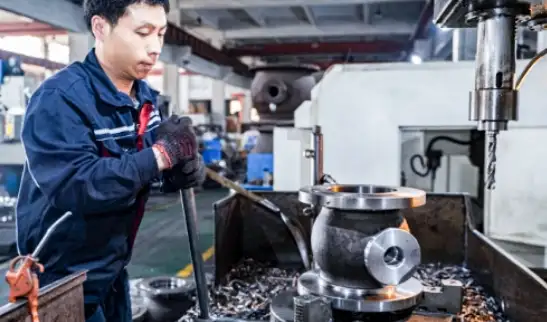
PANS Valve manufactures 1 2 inch globe valves in forged body construction for instrumentation, sampling, and process isolation applications across oil and gas, petrochemical, power generation, and chemical processing industries.
Body materials cover carbon steel, stainless steel 316, and duplex stainless steel. Connection options include threaded NPT, socket weld, and butt weld ends. Pressure classes from ANSI 150 through ANSI 2500 cover the full range of small-bore process and instrument applications. All valves comply with ASME B16.34 and are available with API and CE certification documentation for projects requiring international standard compliance.
36 years of forged valve manufacturing. 24-hour quotation turnaround. Large stock of rough embryos enables most products to ship within 20 days. Get in touch to discuss your half inch globe valve requirements and receive a technical recommendation and quotation within 24 hours.
Frequently Asked Questions
What is a 1/2 inch globe valve used for?
Controls or shuts off flow in small-bore instrumentation, sampling, bypass, and chemical injection applications. The disc-to-seat design suits throttling duty and frequent cycling where gate and ball valves wear faster or provide less precise flow control.
What pressure class should I specify for a small-bore globe valve?
Class 800 forged construction suits most high-pressure process applications up to 1975 psi in carbon steel. Class 150 suits low-pressure utility service. Class 1500 or 2500 applies in high-pressure steam or wellhead service above Class 800 limits.
What is the difference between a globe valve and a gate valve in small-bore applications?
Globe valves throttle precisely and handle frequent cycling without seat damage. Gate valves suit full-open or full-closed service only. Throttling a gate valve causes high-velocity erosion at the disc edge, leading to sealing failure and increased maintenance.
How do I calculate the correct Cv for a 1/2 inch globe valve?
Divide flow rate by the square root of pressure drop divided by fluid specific gravity. Half-inch globe valves typically have Cv values between 0.5 and 4.0. Select a valve whose Cv at the design operating position matches your calculated requirement with reasonable margin.
Search
Categories
Tags
Product
- Ball Valve
- Floating Ball Valve
- Fully Welded Ball Valve
- Trunnion Ball Valve
- Butterfly Valve
- Full Metal-Seated Bi-Directional Butterfly Valve
- High Performance Butterfly Valve
- Three-Eccentric Metal Hard Seal Butterfly Valve
- Check Valve
- Cast Lift Check Valve
- Cast Swing Check Valve
- Wafer Type Check Valve
- DIN Valve
- DIN Bellow Sealed Globe Valve
- DIN Globe Valve
- DIN Rising Stem Gate Valve
- DIN Swing Check Valve
- Forge Valve
- Forged Check Valve
- Forged Floating Ball Valve
- Forged Gate Valve
- Forged Globe Valve
- Gate Valve
- Bellow Sealed Gate Valve
- Flat Gate Valve
- Wedge Gate Valve
- Globe Valve
- Cast Globe Valve
- Plug Valve
- Eccentricity Plug Valve
- Inverted Pressure Balance Lubricated Plug Valve
- Orbit Plug Valve
- Sleeve Type Plug Valve
- Slurry Valve
- Slurry Valve
- Strainer


