Bellow Seal Globe Valve vs Globe Valve: What’s the Difference?
The key difference is the sealing mechanism: a bellow seal globe valve uses a welded metal bellows that moves with the stem, eliminating the need for packing entirely. A conventional globe valve relies on graphite or PTFE packing around the stem — effective but subject to wear.
This one design decision drives differences in leakage rate, maintenance frequency, operating cost, and application suitability. The comparison below covers all eight factors.
PANS Valve manufactures DIN bellow sealed globe valves in sizes DN15–DN150.
Key Differences Overview
| No. | Feature | Bellow Seal Globe Valve | Conventional Globe Valve |
| 1 | Sealing Mechanism | Metal bellow for a hermetic seal | Packing materials (e.g., graphite, PTFE) for sealing |
| 2 | Leakage Prevention | Superior, virtually eliminates leakage | Prone to leakage over time due to packing wear |
| 3 | Maintenance | Minimal maintenance, longer lifespan | Requires regular packing replacement |
| 4 | Applications | Hazardous, high-pressure, high-temperature fluids | General-purpose applications, lower-risk fluids |
| 5 | Cost | Higher initial cost, but long-term savings | Lower upfront cost, but higher maintenance costs |
| 6 | Performance in Extreme Conditions | Excellent under high pressure/temperature | May experience sealing issues under extreme conditions |
| 7 | Environmental Safety | Excellent, prevents hazardous fluid leaks | Adequate, but less secure in critical applications |
| 8 | Lifespan | Longer due to the durable bellow seal | Shorter lifespan due to wear on packing materials |
Leakage Prevention
The bellow eliminates the need for packing, reducing the risk of fluid escaping even under high-pressure or high-temperature conditions.
This makes it ideal for handling hazardous or expensive fluids where safety and efficiency are paramount.
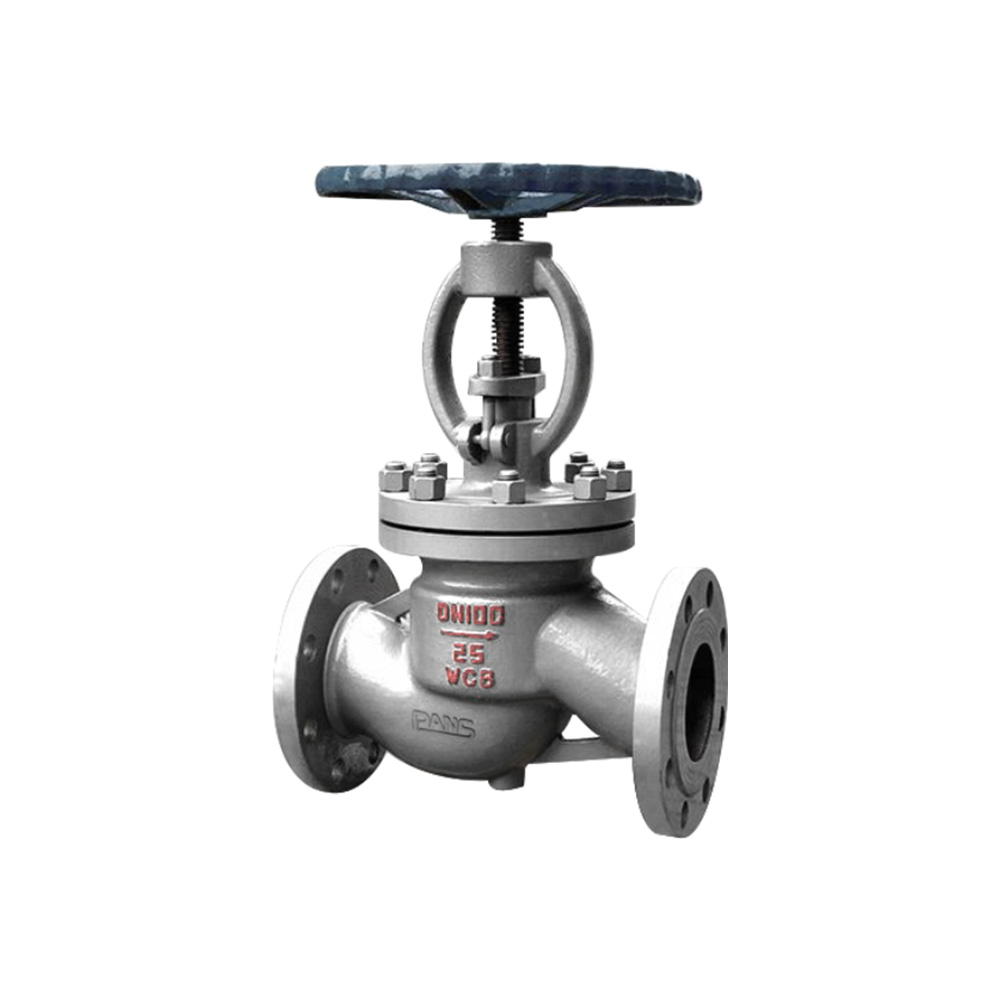
Conventional globe valves, while reliable for general applications, may allow minor leakage over time due to packing degradation, especially in demanding environments.
Maintenance and Lifespan
Bellow seal globe valves require minimal maintenance because the bellow’s design prevents external contamination and wear.
This feature enhances the valve’s lifespan and reduces downtime for repairs.
On the other hand, globe valves with packing need regular inspection and replacement of sealing materials, increasing maintenance costs and the risk of operational interruptions.
Applications
Bellow seal globe valves are commonly used in industries such as chemical processing, nuclear power, and pharmaceuticals, where leakage prevention is critical.
They excel in systems that handle toxic, corrosive, or radioactive fluids.
Meanwhile, conventional globe valves are suitable for general-purpose applications, including water distribution, HVAC systems, and low-risk fluid control.
Their straightforward design makes them versatile and cost-effective for standard operations.
Cost Considerations
Bellow seal globe valves are typically more expensive than standard globe valves due to their intricate design and high-performance sealing mechanism.
However, the initial investment is often justified by reduced maintenance costs and enhanced safety in critical applications.
Conversely, globe valves are more budget-friendly upfront, making them a practical choice for non-critical systems where leakage risks are minimal.
When NOT to Use a Bellow Seal Globe Valve?
Bellow seal globe valves are not always the better choice. Avoid specifying them when:
- Pipe size exceeds DN200, as bellows fatigue at larger diameters;
- The fluid carries solid particles that can abrade the bellow folds;
- Application pressure class is 150 or lower and fluid is non-hazardous — a standard globe valve with PTFE packing delivers adequate performance at 40–60% of the cost.
Performance Under Extreme Conditions
Bellow seal globe valves outperform conventional globe valves in extreme conditions, such as high temperatures or pressures.
The welded bellow ensures a robust seal even when the valve operates at its limits.
Globe valves, while durable, may experience performance issues in such environments due to packing degradation, potentially compromising their sealing effectiveness.
Environmental and Safety Benefits
The hermetic seal of bellow globe valves minimizes emissions and prevents hazardous fluid leaks, contributing to environmental protection and workplace safety.
These valves comply with stringent safety standards, making them indispensable in industries with strict regulatory requirements.
Conventional globe valves, though less environmentally secure, are sufficient for applications where fluid leakage poses minimal risk.
Professional Globe Valve Manufacturer
As a trusted globe valve manufacturer, we engineer API 600 valves for precise flow control and reliable throttling in demanding applications.
Get A Quote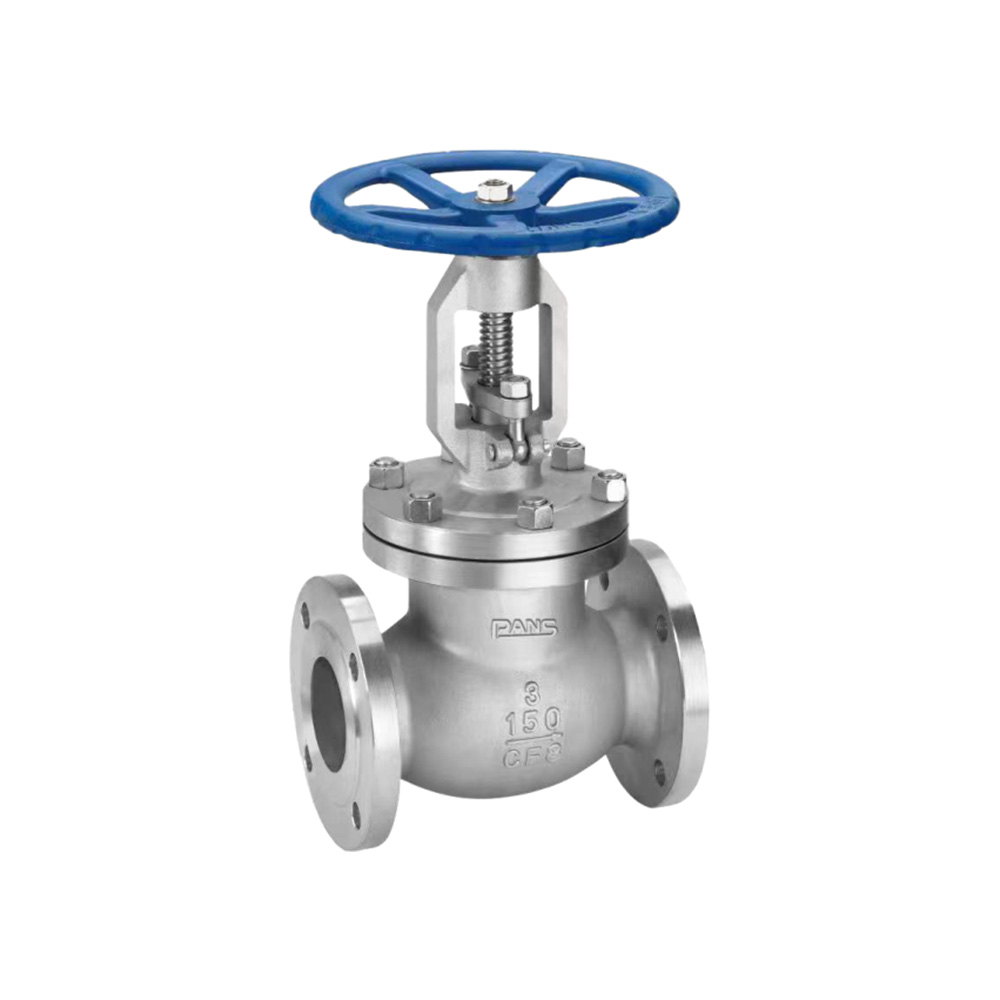
Design and Construction Differences
Bellow Seal Globe Valve
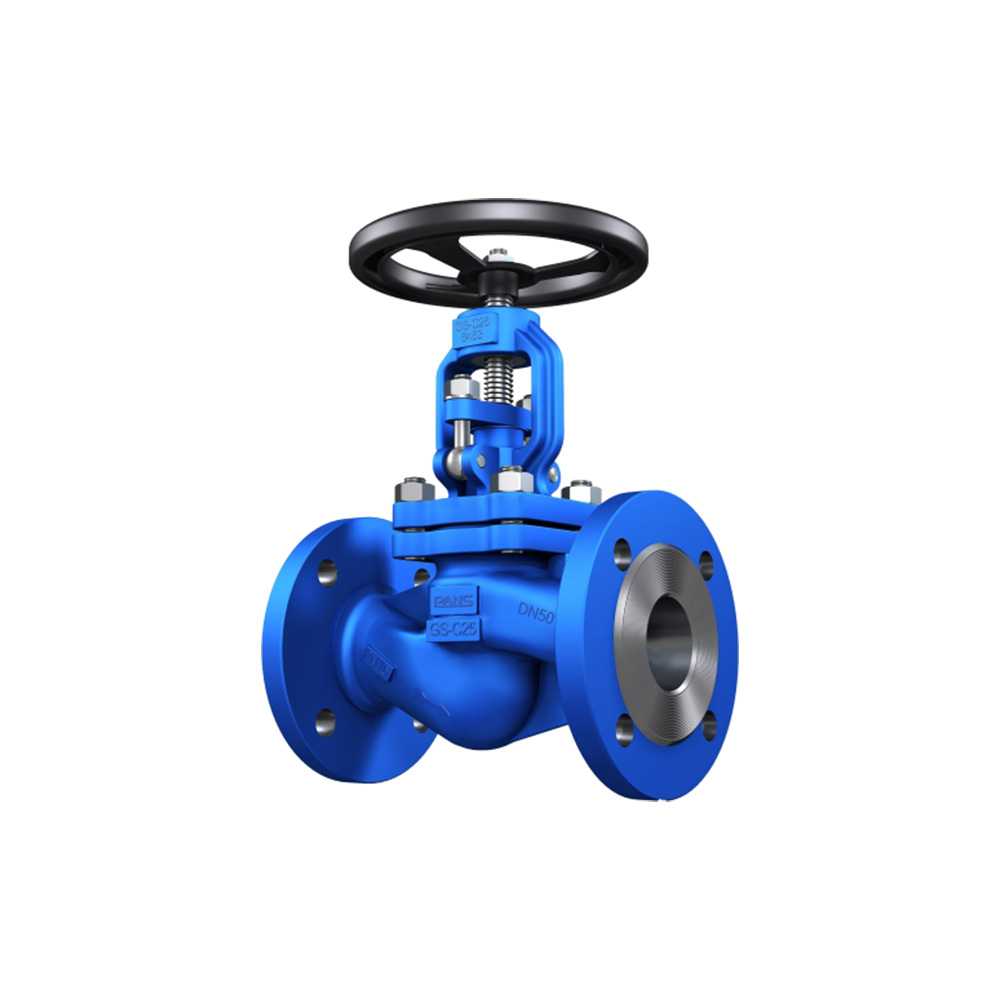
This valve features a unique sealing mechanism—an accordion-like metal bellow that provides a hermetic seal between the fluid and the external environment.
The bellow is welded to the valve stem and bonnet, ensuring zero leakage.
Conventional Globe Valve
In contrast, the standard globe valve relies on packing materials, such as graphite or PTFE, to seal the stem.
While effective, these materials are more prone to wear and tear, potentially leading to leaks over time.
Valve Sizing and Flow Characteristics
Bellow Seal Globe Valve
Bellow seal globe valves are manufactured primarily in sizes DN15–DN200 (NPS ½–8). Their complex internal geometry results in higher pressure drop compared to standard globe valves of the same nominal size — a Cv reduction of 15–25% is typical. For flow-critical applications, verify the required Cv against manufacturer data before specifying.
Standard globe valves are available up to DN600 (NPS 24) and larger. At equal pipe sizes, they generally offer better flow coefficients, making them the practical choice in large-bore distribution systems where zero-leakage sealing is not required.
Conventional Globe Valve
Globe valves, while still offering reasonable flow control, are better suited for larger pipe sizes and systems where the pressure and flow requirements are more standardized.
Their relatively simpler design allows them to be scaled up more easily for broader applications, but they may not provide the same level of precision under high-demand conditions.
The flow characteristics may vary slightly as the valve wears, which can affect the accuracy of flow regulation over time.
If you’re choosing between bellow seal options across different valve types, see our comparison of bellow valve vs diaphragm valve for corrosive and slurry service.
Bellow Seal Globe Valve vs Globe Valve: Conclusion
The choice between a bellow seal globe valve and a conventional globe valve depends on your operational needs.
For general-purpose applications with less demanding conditions, a conventional globe valve offers a cost-effective and reliable solution.
Evaluate your system’s requirements to select the right valve for optimal performance and safety.
Search
Categories
Tags
Product
- Ball Valve
- Floating Ball Valve
- Fully Welded Ball Valve
- Trunnion Ball Valve
- Butterfly Valve
- Full Metal-Seated Bi-Directional Butterfly Valve
- High Performance Butterfly Valve
- Three-Eccentric Metal Hard Seal Butterfly Valve
- Check Valve
- Cast Lift Check Valve
- Cast Swing Check Valve
- Wafer Type Check Valve
- DIN Valve
- DIN Bellow Sealed Globe Valve
- DIN Globe Valve
- DIN Rising Stem Gate Valve
- DIN Swing Check Valve
- Forge Valve
- Forged Check Valve
- Forged Floating Ball Valve
- Forged Gate Valve
- Forged Globe Valve
- Gate Valve
- Bellow Sealed Gate Valve
- Flat Gate Valve
- Wedge Gate Valve
- Globe Valve
- Cast Globe Valve
- Plug Valve
- Eccentricity Plug Valve
- Inverted Pressure Balance Lubricated Plug Valve
- Orbit Plug Valve
- Sleeve Type Plug Valve
- Slurry Valve
- Slurry Valve
- Strainer


