Resilient Seated Butterfly Valves: Complete Guide for Water & Wastewater Applications
Water treatment specs default to resilient seated butterfly valves for a reason. Not sophistication. Just results. An elastomer seat, a rotating disc, bubble-tight shutoff at moderate pressure. Three things working together. Low cost, simple assembly, reliable within its operating range. That is why this valve type shows up on almost every water, wastewater, and HVAC project regardless of geography or project scale.
What Is a Resilient Seated Butterfly Valve?
Disc. Stem. Elastomer seat. Body. Four components and that is the whole valve.
Disc sits on a central stem inside the body. Open position: disc rotates parallel to the flow, fluid moves around it freely. Closed position: disc rotates 90 degrees, edge presses into the elastomer lining. The seat deforms slightly under that pressure. Fills the surface irregularities on the disc edge. Creates the seal. That compression is what makes a resilient seat butterfly valve achieve bubble-tight shutoff at pressure ranges where metal seats either leak or cost significantly more to achieve the same result.
How Elastomer Seats Work: EPDM, NBR, Viton, PTFE
Wrong seat material and the valve fails in service. Correct seat material and it runs for years without issue. Four materials cover most real-world applications.
EPDM is the default for water and wastewater. Resists water, steam, mild acids, and alkalis well. Handles -40°C to +120°C. An EPDM butterfly valve works across drinking water, sewage, irrigation, and cooling water systems. Keep it away from petroleum-based fluids.
NBR handles oils, fuels, and petroleum-based fluids. Better oil resistance than EPDM. Ceiling around 80°C. Degrades faster under ozone exposure and weathering.
Viton goes where EPDM and NBR fail. Aggressive chemicals, high temperatures, hydrocarbons. Up to 180°C. More expensive. Standard in chemical processing and offshore service.
PTFE is chemically inert against almost everything. Sealing behavior differs from rubber because it does not compress the same way. Used where elastomer contamination of the process fluid is unacceptable.
Applications: Water and Wastewater, HVAC, Chemical Processing
Three reasons resilient seated butterfly valves dominate water and wastewater. Cost. Installation simplicity in wafer or lug body formats. Reliable shutoff within the pressure envelope water systems actually run at.
HVAC systems use them on chilled water, heating water, and condenser water circuits. Wafer body fits in tight mechanical rooms where gate valves cannot. Chemical processing comes down to seat selection. EPDM for water-based chemical service. Viton or PTFE for solvents, acids, and hydrocarbons.
Resilient Seated vs High-Performance Double Offset Butterfly Valve
Right tool for the right application. The table below shows where each type fits.
| Factor | Resilient Seated | High-Performance Double Offset |
| Seat material | Elastomer (EPDM, NBR, Viton) | Metal or RPTFE |
| Sealing | Bubble-tight at low-medium pressure | Tight shutoff at high pressure |
| Temperature limit | Up to 180°C depending on seat | Up to 600°C with metal seat |
| Pressure rating | PN10 to PN25 typical | PN25 to PN100 and above |
| Friction on operation | Higher, seat contact throughout | Lower, cam action reduces contact |
| Cost | Lower | Higher |
| Best for | Water, HVAC, general utility | Oil and gas, steam, high pressure |
Soft seated butterfly valve is right when pressure and temperature stay within the elastomer’s range. Outside those limits, double or triple offset is the correct specification.
Temperature and Pressure Limits by Seat Material
EPDM: up to 120°C, PN16 to PN25 depending on body design. NBR: 80°C maximum. Viton: up to 180°C. PTFE: wider chemical range but pressure limitations vary with seating geometry.
Cross the temperature limit on an elastomer seat and it hardens, cracks, or permanently deforms. Elastomer temperature degradation does not reverse itself. Valve looks intact from outside. Seat has lost the ability to compress against the disc edge. Leakage is the result.
Common Failure Modes and How to Avoid Them
Chemical incompatibility causes most in-service failures. Seat swells, hardens, or cracks when exposed to a fluid outside its resistance range. Do not check against a general fluid category. Check against the specific fluid in the system.
Disc edge corrosion causes leakage when disc material is wrong for the process. Corroded disc edge cannot seat correctly against the elastomer. Specify disc material and coating for the actual fluid chemistry from the beginning.
Stem seal failure means external leakage. Mechanical wear, incorrect packing, or running a throttling valve only in full-open or full-closed position. Match valve design to actual operating duty before specifying.
Selection Guide: Which Seat Material for Your Fluid?
Water and wastewater
EPDM butterfly valve as standard. Proven, cost-effective, certified for drinking water contact in most global markets.
Petroleum, oils, fuels
NBR seat. Confirm specific oil type against NBR resistance data before specifying. Some synthetic oils attack NBR faster than expected.
Aggressive chemicals, solvents, acids
Viton where temperature is elevated. PTFE where chemical purity or extreme resistance drives the decision.
Steam
Neither EPDM nor NBR. High-performance double offset with metal or RPTFE seat is the correct specification for steam. Application has moved past what a resilient seat butterfly valve can handle reliably.
When Your Application Needs More Than a Resilient Seat
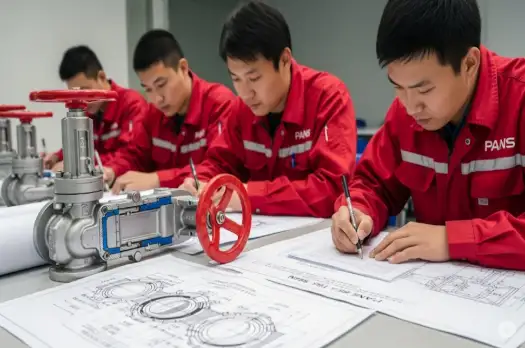
Most water and HVAC applications stay well within what a resilient seated butterfly valve handles. Some do not. Pressure above PN25. Temperature above 180°C. Process fluids that destroy elastomers. Steam. Hydrocarbons. Any one of those conditions and the elastomer seat is no longer the answer.
PANS Valve makes butterfly valves for both sides of that line. The high-performance butterfly valve uses a double-offset design that cuts seat wear and reduces operating torque. Suitable across water treatment, power generation, chemical processing, and HVAC. Handles what a soft seated butterfly valve handles and then goes further when conditions push past elastomer limits.
For more demanding service, PANS also produces the three-eccentric metal hard seal butterfly valve for high-pressure, high-temperature, and corrosive applications. And the full metal-seated bi-directional butterfly valve for tight shutoff under elevated pressure in both flow directions.
Check Our High-Qulity Butterfly Valve Series
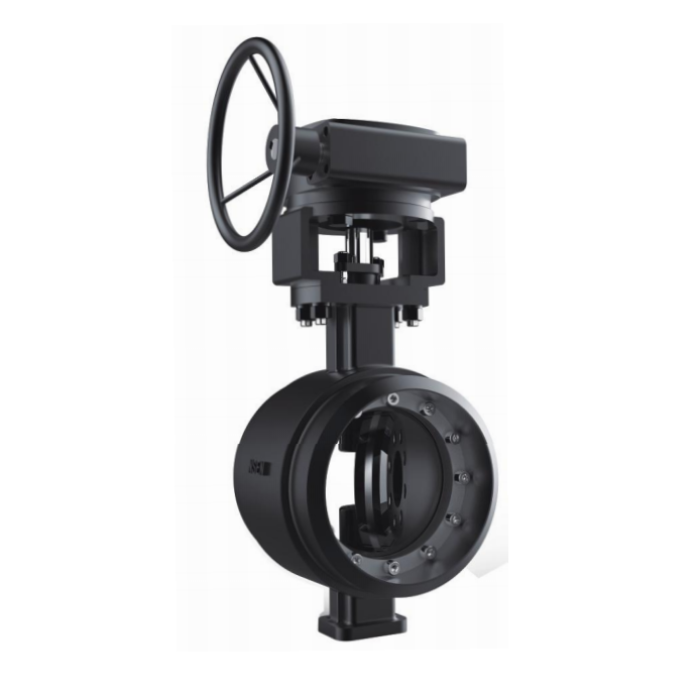
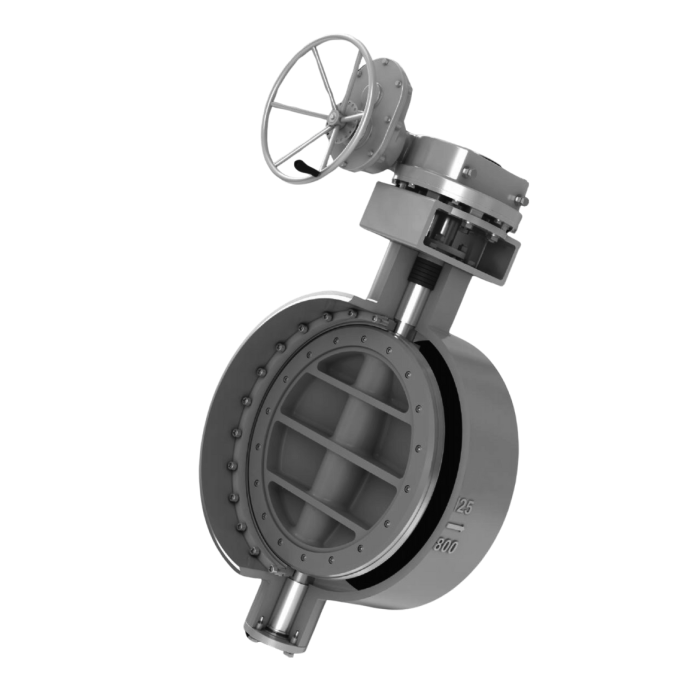
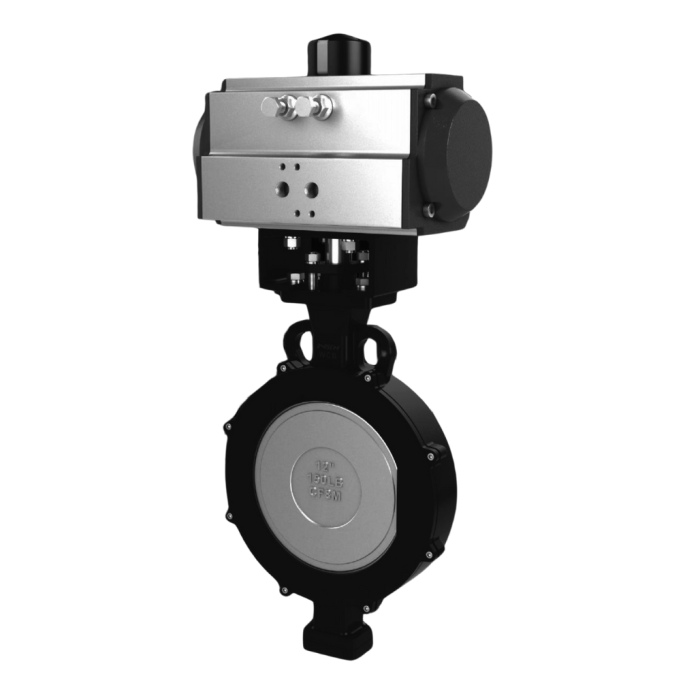
ISO 5211 actuator mounting on all three. Electric, pneumatic, or manual actuators connect directly. No custom adapters. 36 years of valve manufacturing. API and CE certified. Quotation within 24 hours. Get in touch and PANS confirms the right specification for your conditions.
Frequently Asked Questions
What is the difference between resilient seated and metal seated butterfly valves?
Resilient seated uses an elastomer seat. Soft, compressible, bubble-tight shutoff at moderate pressure. Metal seated uses a rigid seating surface. Handles higher pressure and temperature but costs more and does not seal as tightly at low pressure. Pick based on operating conditions, not preference.
What does EPDM mean in butterfly valves?
It stands for ethylene propylene diene monomer. A synthetic rubber. Standard seat material for water and wastewater butterfly valves because it resists water, steam, and mild chemicals well. Does not suit petroleum-based fluids. Wrong fluid and the seat degrades fast.
What pressure can a resilient seated butterfly valve handle?
PN10 to PN25 typically. Depends on valve size and body design. Push past that and the elastomer seat deforms permanently. Sealing fails. Check maximum operating pressure and surge pressure before specifying. Do not assume the nominal rating covers worst-case conditions.
What causes a butterfly valve to leak?
Usually one of three things. Seat material chemically incompatible with the process fluid. Disc edge corroded and no longer seating correctly. Mechanical damage from over-torquing during closure. Check fluid compatibility first. That eliminates most in-service leakage problems before they start.
Search
Categories
Tags
Product
- Ball Valve
- Floating Ball Valve
- Fully Welded Ball Valve
- Trunnion Ball Valve
- Butterfly Valve
- Full Metal-Seated Bi-Directional Butterfly Valve
- High Performance Butterfly Valve
- Three-Eccentric Metal Hard Seal Butterfly Valve
- Check Valve
- Cast Lift Check Valve
- Cast Swing Check Valve
- Wafer Type Check Valve
- DIN Valve
- DIN Bellow Sealed Globe Valve
- DIN Globe Valve
- DIN Rising Stem Gate Valve
- DIN Swing Check Valve
- Forge Valve
- Forged Check Valve
- Forged Floating Ball Valve
- Forged Gate Valve
- Forged Globe Valve
- Gate Valve
- Bellow Sealed Gate Valve
- Flat Gate Valve
- Wedge Gate Valve
- Globe Valve
- Cast Globe Valve
- Plug Valve
- Eccentricity Plug Valve
- Inverted Pressure Balance Lubricated Plug Valve
- Orbit Plug Valve
- Sleeve Type Plug Valve
- Slurry Valve
- Slurry Valve
- Strainer


