Do Plug Valves Have a Flow Direction?
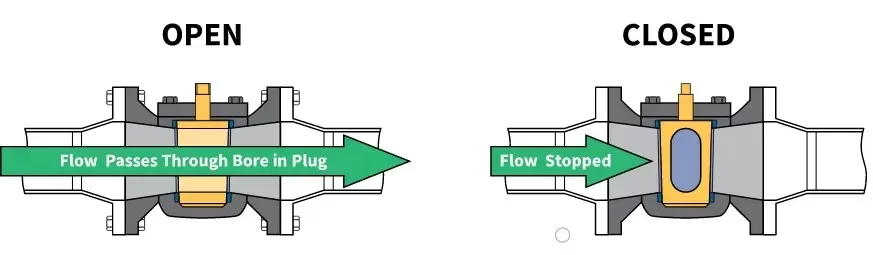
When it comes to plug valve flow direction, you don’t need to worry about which way flow enters. That’s because most standard plug valves are bidirectional and seal equally well from either side. Eccentric or high-pressure models may have a preferred orientation, so always check the manufacturer’s specs before installation.
Are Plug Valves Bidirectional?
The majority are. The plug seats against the body with equal pressure from both directions. Flow can come from either side without affecting the seal. This is one reason plug valves fit so many applications.
That said, some designs have a preferred orientation:
- Eccentric plug valves often work better with the shaft upstream, protecting seating surfaces from abrasive media
- Pressure-balanced designs may seat better with flow from one direction
- Multi-port plug valves direct flow between specific ports by design
Are Plug Valves Directional?
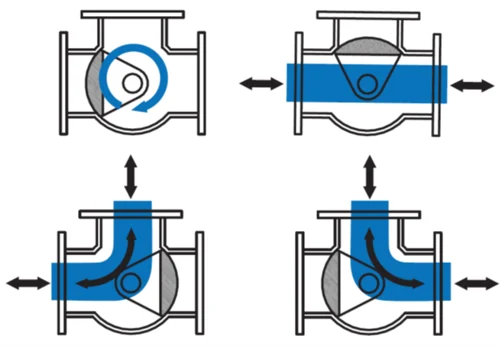
Only certain types. Standard two-way plug valves handle flow from either direction without issue. Three-way and four-way versions are directional because they switch or split flow between defined ports.
For most pipeline work, plug valve seat direction does not matter during installation. The valve seals both ways.
How Structure Affects Sealing
The way a plug valve seals depends on its internal geometry:
- Double eccentric design offsets the plug from the seat centerline, cutting friction and extending seal life
- Straight through flow design reduces turbulence and pressure drop, which also means less wear on sealing surfaces
- V-type combined sealing rings create bubble-tight shutoff meeting API 598 and API 6D zero leakage standards
These features add up to reliable plug valve secure flow control solutions across tough applications. More on valve flow direction principles for different valve types.
How Zero Leakage Works
Plug valves hit zero leakage through tight metal-to-metal contact or sleeved designs with PTFE or PFA linings. The plug contacts the body around its full circumference, creating even sealing pressure all the way around.
V-type sealing rings on the stem stop fugitive emissions and meet strict environmental standards.
Sleeved vs. Lubricated Designs
Flow direction matters more in some plug valve types than others. Sleeved plug valves use a PTFE or PFA liner that wraps the plug, giving consistent sealing regardless of flow direction. Lubricated plug valves inject sealant between the plug and body, which also seals bidirectionally but needs periodic maintenance to keep the lubricant film intact.
Both types handle flow from either direction. The choice depends on your media, temperature range, and how much maintenance you want to do over the valve’s life.
Working with PANS
When you need plug valves for a project, lead time matters. PANS provides:
- Technical support and quotes within 24 hours
- Delivery within 20 days for most orders
- Custom engineering for high-pressure or corrosive jobs
For standard installs, plug valves go in either direction. For specialized setups, PANS engineering can recommend the best orientation based on your specific conditions and media.
Search
Categories
Tags
Product
- Ball Valve
- Floating Ball Valve
- Fully Welded Ball Valve
- Trunnion Ball Valve
- Butterfly Valve
- Full Metal-Seated Bi-Directional Butterfly Valve
- High Performance Butterfly Valve
- Three-Eccentric Metal Hard Seal Butterfly Valve
- Check Valve
- Cast Lift Check Valve
- Cast Swing Check Valve
- Wafer Type Check Valve
- DIN Valve
- DIN Bellow Sealed Globe Valve
- DIN Globe Valve
- DIN Rising Stem Gate Valve
- DIN Swing Check Valve
- Forge Valve
- Forged Check Valve
- Forged Floating Ball Valve
- Forged Gate Valve
- Forged Globe Valve
- Gate Valve
- Bellow Sealed Gate Valve
- Flat Gate Valve
- Wedge Gate Valve
- Globe Valve
- Cast Globe Valve
- Plug Valve
- Eccentricity Plug Valve
- Inverted Pressure Balance Lubricated Plug Valve
- Orbit Plug Valve
- Sleeve Type Plug Valve
- Slurry Valve
- Slurry Valve
- Strainer


