Socket Weld vs Threaded Valves: Which One Should You Pick for Your Project?
The choice between a socket weld valve and a threaded valve comes down to one question. What are the operating conditions? High-pressure steam, oil and gas, chemical pipelines. Those need permanent joints that do not loosen. Low-pressure utility systems and modular setups. Those need speed and the ability to disassemble. Wrong connection type and you are dealing with leaks, repeat maintenance, or a valve failure at the worst possible moment.
How Each Connection Type Works
A socket weld valve has a socket bore machined into the valve body. The pipe slides into that socket. A fillet weld seals the joint around the outside. Permanent. Continuous metallic bond. Does not loosen under pressure, temperature cycling, or vibration. Once it is welded, that is what it is.
A threaded valve screws onto the pipe end using machined threads. PTFE tape or thread sealant fills the gaps to stop leaks. Hand tools. Fast to assemble. Fast to take apart. The joint is mechanical, not metallurgical. Two separate pieces held together by thread engagement and sealant.
That distinction is the whole comparison. A welded joint is one continuous piece of metal after welding. A threaded joint is not.
Head-to-Head Comparison
The table below compares both connection types across the five factors that drive engineering selection decisions.
| Factor | Socket Weld Valve | Threaded Valve |
| Pressure rating | Up to 6000 psi in high-class fittings | Typically under 150 psi |
| Leak resistance | Excellent, continuous weld seal | Dependent on sealant and thread condition |
| Vibration resistance | High, weld does not loosen | Low, threads back off under vibration |
| Installation | Skilled welding required, longer setup | Basic tools, fast installation |
| Maintenance | Weld must be cut for socket weld valve replacement | Unscrew and replace without cutting |
Pressure Rating and Leak Resistance
Socket weld valve types cover gate, globe, check, and ball configurations. All share the same pressure advantage over threaded equivalents at the same bore size.
Why do so many projects choose our Trunnion Ball Valves?
From sealing performance to durability, we deliver professional-grade solutions.
View Specifications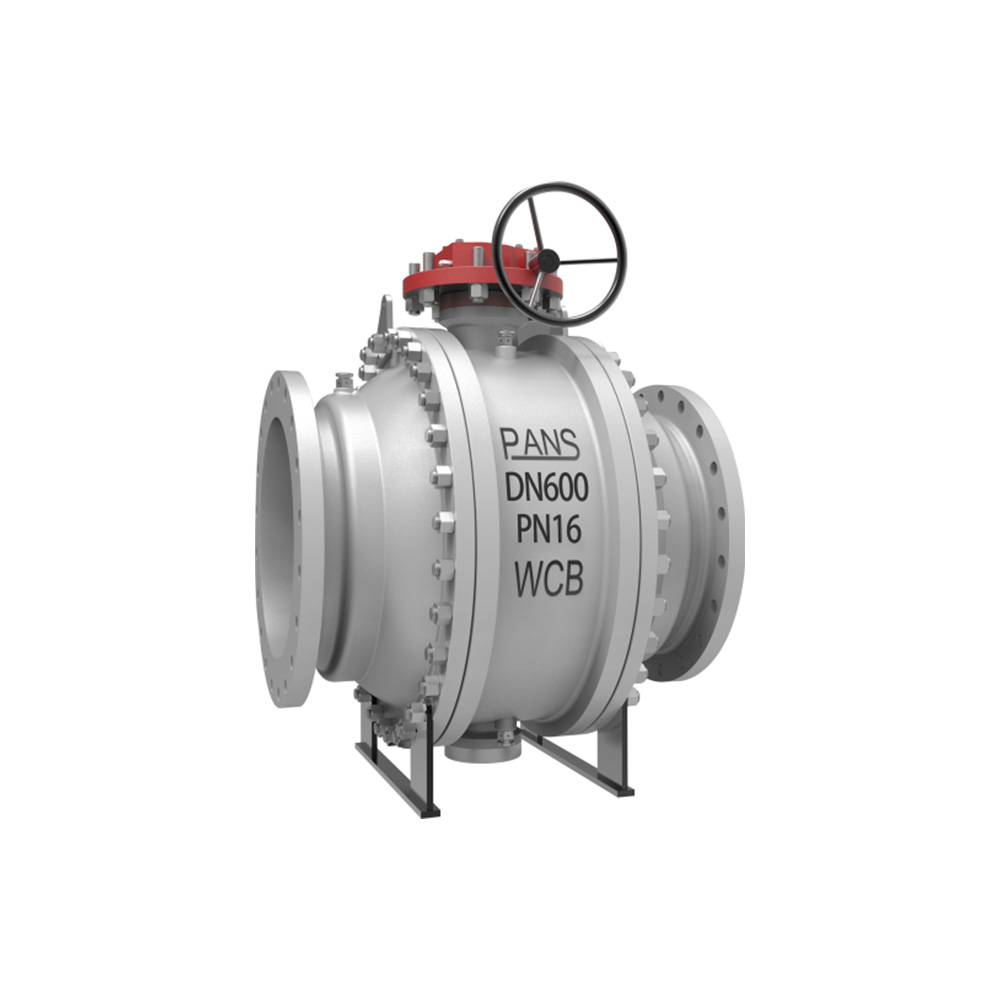
A socket weld gate valve in Class 800 handles significantly higher pressure than a threaded gate valve. A socket weld globe valve in high-pressure steam service handles conditions that would fail a threaded connection within the first few pressure cycles. The weld seal does not depend on sealant condition, thread engagement quality, or how carefully the installer applied the tape.
Threaded connections are different. A threaded ball valve or threaded check valve in a system that cycles between high and low pressure develops micro-movement at the thread interface over time. That movement breaks down the sealant layer. Creates a leak path. Under 150 psi in a stable low-vibration system, threaded connections work reliably. Above that, the risk compounds with each pressure cycle.
Vibration Resistance
This is where the gap is most significant in real applications. Not theory. Field failures.
Oil and gas installations, compressor discharge lines, rotating equipment connections. All generate vibration. A sw end connection that is welded cannot back off. Fixed. The threaded equivalent in the same service will loosen. Guaranteed, given enough time and enough vibration cycles.
A threaded shut off valve on a vibrating compressor line needs periodic retightening and sealant replacement. Miss one maintenance cycle and the leak has already started. A welded valve in the same location does not have that problem.
Installation Requirements
Socket weld valve installation needs a certified welder. Correct preheat for alloy materials. A 1.6mm gap maintained between the pipe end and socket shoulder during welding. That gap matters. Skip it and stress concentration builds at the weld root. Thermal cycling causes cracking.
Threaded installation needs clean threads, the right sealant, and a wrench. No certification. No preheat. No gap calculation. Fast. Reversible.
Installation cost versus lifecycle cost is the real comparison here. Socket weld valve installation costs more upfront. In systems where threaded connections need repeated maintenance and eventual socket weld valve replacement after thread damage accumulates, the welded option costs less over the valve’s actual service life.
When to Use Each Connection Type
Socket weld valve types are the right specification for high-pressure steam, oil and gas pipelines, chemical transfer at elevated pressure, cryogenic service, and anywhere vibration is present and a leak would be a safety event.
Threaded ball valve and threaded check valve configurations suit low-pressure utility systems, instrument connections, sampling points, and modular or temporary piping where frequent disassembly is expected. A threaded shut off valve on a domestic water supply or instrument air line is the right tool. That same valve on a high-pressure gas line is not.
PANS Valve Socket Weld and Threaded Connection Solutions
PANS Valve manufactures socket weld gate valves, socket weld globe valves, and forged valve solutions in both sw end connection and threaded configurations. Products comply with ASME B16.11 for socket weld fittings and ASME B1.20.1 for threaded connections. Covers the pressure classes most commonly specified in oil and gas, petrochemical, power generation, and chemical processing projects.
For EPC contractors and distributors managing piping packages across multiple pressure classes and connection types, PANS provides technical support for operating condition selection, ASME standard customization, and material specification matching. 36 years of forged valve manufacturing experience. API and CE certified. Quotation within 24 hours. Get in touch to discuss your connection type requirements and receive technical recommendations for your specific operating conditions.
Frequently Asked Questions
When to use socket weld?
Use socket weld in systems above 150 psi, high-temperature steam or chemical service, and anywhere vibration is present. The welded joint does not loosen under cycling or vibration and provides continuous leak-free performance without sealant dependency.
How to choose the right welding joint for a project?
Match joint type to operating pressure, temperature, and vibration level. Socket weld suits high-pressure permanent installations. Butt weld suits larger bore high-pressure piping. Threaded joints suit low-pressure, low-vibration systems where disassembly is needed regularly.
What is the difference between socket weld flanges and threaded flanges?
Socket weld flanges are welded to the pipe for a permanent high-pressure rated connection. Threaded flanges screw onto the pipe for easier removal. Socket weld flanges handle higher pressure and vibration. Threaded flanges suit lower-pressure applications requiring disassembly.
What is the difference between welded and threaded pipes?
Welded connections are permanent, metallurgically bonded, rated for high pressure and vibration. Threaded connections are mechanical, sealant-dependent, rated for lower pressure. Welded joints cost more to install and cut out for replacement. Threaded joints are faster to assemble and easier to maintain in low-pressure service.
Search
Categories
Tags
Product
- Ball Valve
- Floating Ball Valve
- Fully Welded Ball Valve
- Trunnion Ball Valve
- Butterfly Valve
- Full Metal-Seated Bi-Directional Butterfly Valve
- High Performance Butterfly Valve
- Three-Eccentric Metal Hard Seal Butterfly Valve
- Check Valve
- Cast Lift Check Valve
- Cast Swing Check Valve
- Wafer Type Check Valve
- DIN Valve
- DIN Bellow Sealed Globe Valve
- DIN Globe Valve
- DIN Rising Stem Gate Valve
- DIN Swing Check Valve
- Forge Valve
- Forged Check Valve
- Forged Floating Ball Valve
- Forged Gate Valve
- Forged Globe Valve
- Gate Valve
- Bellow Sealed Gate Valve
- Flat Gate Valve
- Wedge Gate Valve
- Globe Valve
- Cast Globe Valve
- Plug Valve
- Eccentricity Plug Valve
- Inverted Pressure Balance Lubricated Plug Valve
- Orbit Plug Valve
- Sleeve Type Plug Valve
- Slurry Valve
- Slurry Valve
- Strainer


