The Manufacturing Process of Forged Valves
What Is the Forged Valve Manufacturing Process?
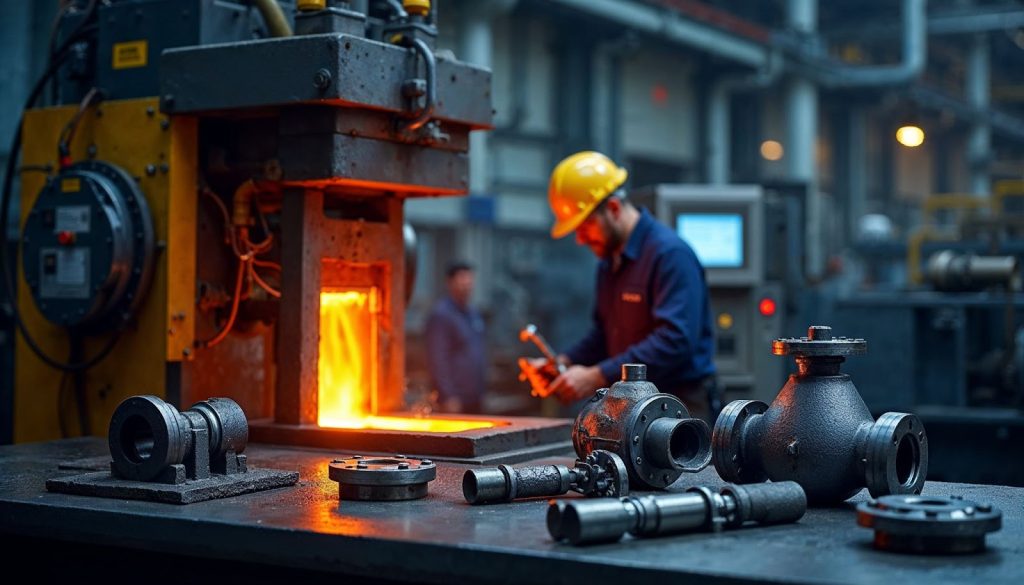
A forged valve is made by heating metal and shaping it under high pressure, creating a dense, durable part with excellent mechanical strength. The forged valve manufacturing process is widely used in industries that demand high performance, such as oil and gas, power generation, and chemical processing.
Forged valve bodies outperform cast alternatives in wall integrity, pressure rating, and fatigue life — but not all forgings are equivalent. This guide covers what separates a reliable forged valve body from a marginal one: material selection, forging method, heat treatment requirements, and the inspection standards (API 602, ASME B16.34) that matter when you’re specifying for high-pressure service.
Understanding the Structure of Forged Valves
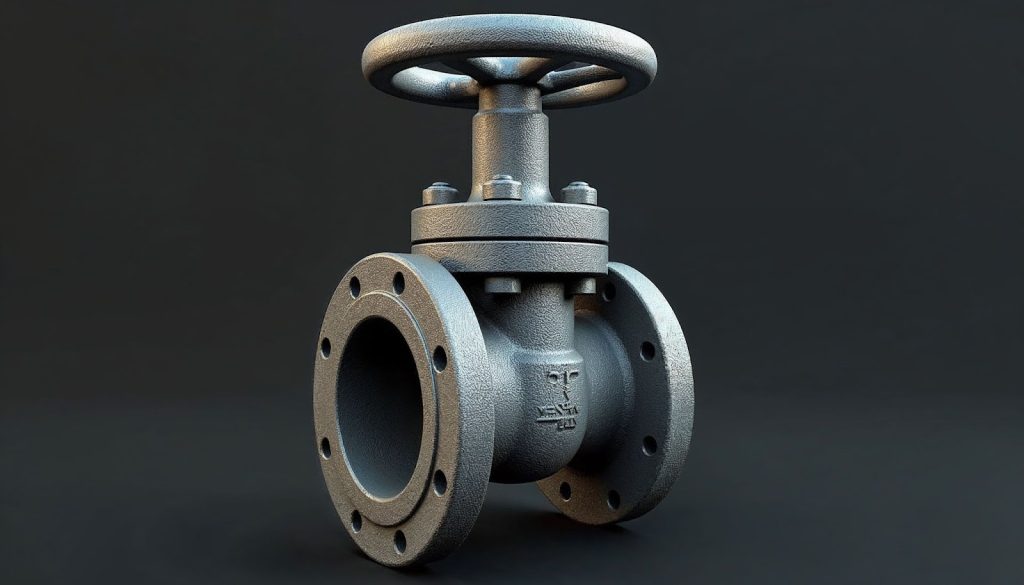
At the core of every forged valve is the forged valve body, which houses the internal components and handles pressure from flow systems. It’s built from materials like carbon steel, stainless steel, or alloy steel.
In addition to the valve body, forged valve parts include the stem, bonnet, ball or gate, and sealing elements. All these parts go through precision forging and machining to ensure durability and consistent performance.
Unlike cast valves, which are formed by pouring molten metal into molds, forged valves are made by compressing solid metal, resulting in stronger, more reliable components.
What Is Valve Body Forging?
Valve body forging is the process of shaping metal under pressure after it has been heated to a malleable state. This improves the internal grain structure and eliminates porosity, making the part stronger and more resistant to stress and wear.
Types of Valve Forging
Different types of valve forging techniques are used based on part design:
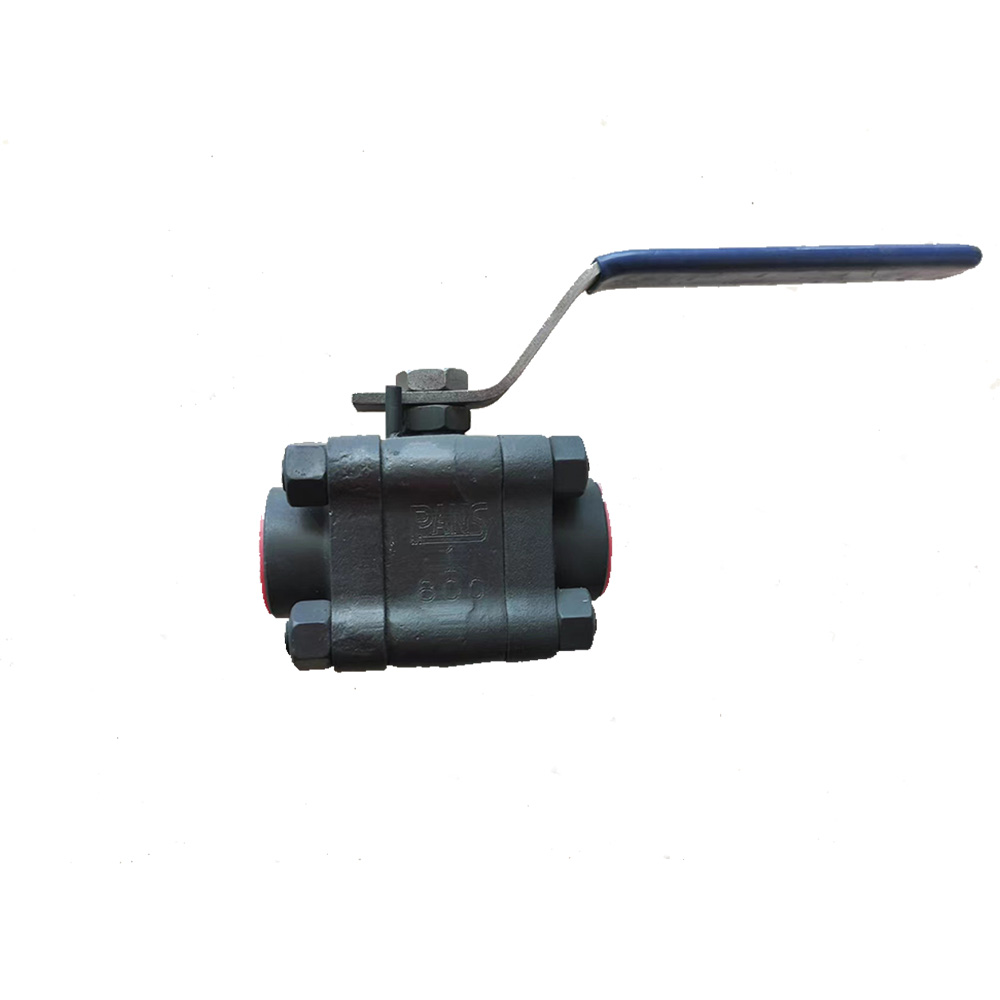
- Open-die forging: It is used for large or less intricate valve parts. The metal is compressed between flat or slightly contoured dies. This method provides flexibility but requires additional machining due to its rougher shaping.
- Closed-die forging: It involves pressing the heated metal into custom-shaped dies that mirror the final part. This results in precise, near-net shapes with minimal waste, making it ideal for mass-producing forged valve parts with complex geometry.
- Seamless rolled ring forging: It manufactures strong, circular components like valve seats and flanges. A donut-shaped billet is rotated and squeezed to form a ring, offering high structural integrity and excellent resistance to pressure and fatigue.
Each method produces high-integrity forgings for valve components, depending on the required size, shape, and application.
Step-by-Step Process: How Are Forged Components Made?
Let’s walk through the forged valve manufacturing process, from raw steel to finished valve.
1. Material Selection
The forged valve manufacturing process begins with selecting high-grade raw materials. Carbon steel, stainless steel, and low-alloy steels are commonly used due to their excellent performance under high pressure and temperature. For forged steel parts for oil & gas, materials must resist hydrogen-induced cracking, stress corrosion, and erosion.
| Material | ASTM Grade | Max Temp | Typical Application |
| Carbon Steel | A105 | 425°C | General high-pressure service |
| Stainless Steel | A182 F316 | 450°C | Corrosive media |
| Duplex SS | A182 F51 | 300°C | Chloride environments |
| Low-alloy Steel | A182 F22 | 600°C | High-temp steam |
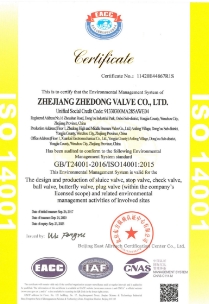
The material must also meet international standards such as API 602, ASME B16.34, and ISO 9001 to ensure reliability, safety, and regulatory compliance in harsh environments.
2. Heating the Metal
The selected billet is uniformly heated in a gas-fired or induction furnace to temperatures between 1,050°C to 1,250°C (1,922°F to 2,282°F), depending on the steel grade. This makes the metal malleable for deformation without reaching its melting point. Temperature control is crucial to avoid grain growth or overheating.
3. Forging the Valve Body
Once heated, the metal is transferred to a hydraulic or mechanical press, which is shaped into a forged valve body using closed-die forging. This process improves dimensional precision and maintains consistent grain flow, which enhances strength and fatigue resistance. Sometimes, a rough preform is created in an open-die process and refined in the closed-die step.
This forging step establishes the valve’s key mechanical properties, making it suitable for applications with extreme pressure, temperature, or vibration.
4. Machining and Shaping
After forging, the blank is cooled and undergoes rough and precision machining. CNC lathes, mills, and drilling machines create threads, ports, and seating surfaces to precise tolerances. Accurate machining of forged valve parts ensures reliable sealing, smooth flow, and proper actuator fitment.
5. Heat Treatment
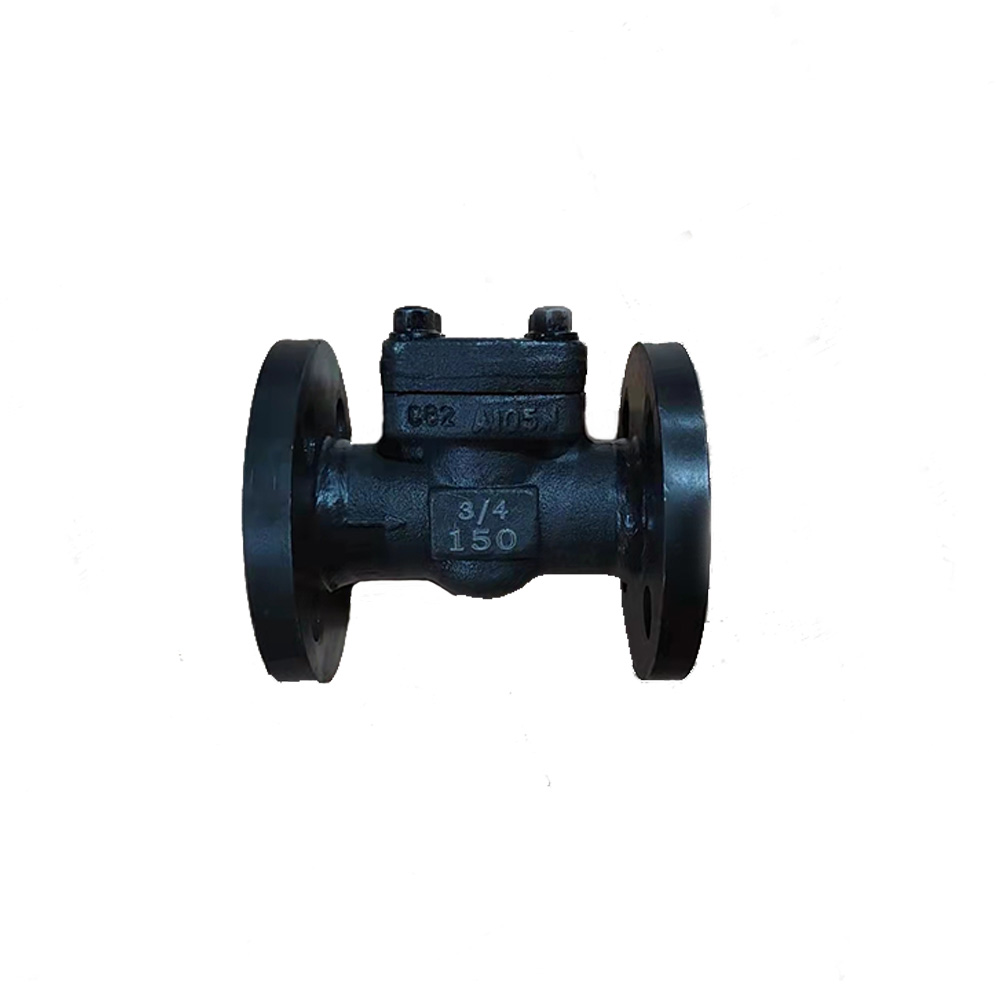
Forged valves typically undergo a controlled heat treatment cycle, including normalizing, quenching, and tempering. These processes adjust the hardness, tensile strength, and ductility to match specific application needs. For example, sour gas applications may require post-weld heat treatment to prevent cracking.
6. Inspection and Quality Control
Critical components are inspected using advanced non-destructive testing (NDT) such as ultrasonic, magnetic particle, and radiographic techniques. Hydrostatic testing is performed to verify pressure-holding capacity. Dimensional inspections use CMMs (Coordinate Measuring Machines) for high-accuracy checks.
This quality control phase ensures every forged valve part meets or exceeds performance and safety standards before moving to assembly.
7. Final Assembly and Coating
Each part is cleaned, assembled, and tested for function, including torque testing for the stem and seat leakage tests. Surface coatings like epoxy, zinc phosphate, or PTFE may be applied to improve corrosion resistance, especially for forged steel parts used in oil and gas operations in marine or offshore conditions.
The completed forge valve is then packaged, labeled with traceable serial numbers, and prepared for delivery to global industrial customers.
Why Choose Forged Valves?
Forged valves offer several key benefits over other types:
1. Superior Mechanical Strength
The forging process aligns the grain flow of the metal to follow the valve’s shape, significantly improving tensile strength and impact resistance.
ASTM A105 forged carbon steel achieves minimum tensile strength of 485 MPa, compared to 250 MPa for ASTM A216 WCB cast carbon steel — nearly double the strength in the same material family.
2. Resistance to Corrosion and Erosion
Forged steel valves are often made from stainless steel or alloy steel, providing high resistance against aggressive chemicals, saltwater, and extreme temperatures—ideal for forged steel parts for oil & gas pipelines.
3. Dimensional Accuracy
Closed-die forgings achieve tolerances of ±0.5mm on critical sealing surfaces, versus ±2–3mm typical in sand casting, reducing lapping time and improving seat-to-disc contact area.
4. Long-Term Reliability
Due to minimal internal defects and low porosity, forged valve parts exhibit excellent fatigue resistance, reducing failure risk over long-term use. This contributes to fewer replacements and maintenance shutdowns.
In cyclic pressure service (10,000+ pressure cycles), forged valve bodies show fatigue life 3–5x longer than equivalent cast components due to the absence of shrinkage porosity.
Because of these benefits, forged valve products are widely used in high-risk industries where failure is not an option.
PANS Forged Valve Manufacturing Capabilities
- Forging Capabilities: Closed-die and open-die forging for valve bodies DN15–DN150 (NPS ½–6), pressure class 800–2500 LB.
- Material Range: Carbon steel (A105), stainless steel (F316/F304/F321), duplex (F51/F53), alloy steel (F11/F22/F91).
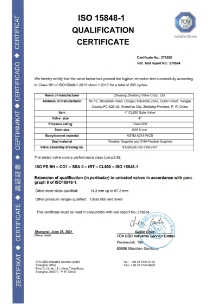
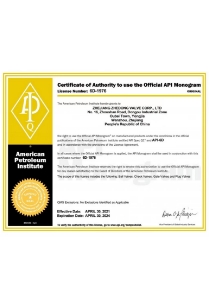
- Certification Standards: API 602, ASME B16.34, ISO 15848-1 (fugitive emissions).
- Testing Capabilities: 100% hydrostatic shell and seat test; optional PMI, PWHT, charpy impact test per customer specification.
PANS VALVE: Your Trusted Forged Valve Manufacturer
With more than 36 years of experience, PANS VALVE is a global leader in the production of forged valve bodies and components. Our facilities are equipped with advanced equipment for machining, heat treatment, and quality control.
We specialize in high-performance forgings for valve components and produce over 3,000 tons of industrial valves each year. From floating ball valves to trunnion-mounted options and custom designs, we ensure precision, reliability, and timely delivery tailored to your project’s specific needs.
We supply strong, reliable forged steel parts for oil & gas, petrochemical, power, and water industries. Our modern equipment and strict quality checks ensure long-lasting and high-performance valve products.
Forged Valves FAQs
1. When should I specify forged valves instead of cast valves?
Selection depends on size, pressure, and service severity. According to API 602, forged steel construction is mandatory for compact, high-pressure valves with a nominal diameter of DN50 (2″) and below at Class 800 and above.
Forging eliminates internal porosity and aligns the metal’s grain structure, providing superior mechanical strength and consistent wall thickness compared to castings. This makes forged valves the industry standard for high-pressure/high-temperature (HPHT) applications where structural integrity is critical.
2. What is the minimum wall thickness for a forged valve body at Class 1500?
Minimum wall thickness ($t_m$) is governed by ASME B16.34. It is determined using the formula: $t_m = 1.1 \times [P \times d / (2S – 1.2P)]$, where $P$ is design pressure, $d$ is inside diameter, and $S$ is allowable stress.
For a Class 1500 valve, specific values are tabulated in ASME B16.34 Table 3-B. For example, a 1″ (DN25) Class 1500 forged valve typically requires a minimum wall thickness of approximately 10.4 mm (0.41″), varying slightly based on the specific material group and bore diameter.
3. Can PANS supply forged valve bodies with NACE MR0175 compliance for sour gas service?
Yes, PANS VALVE fully supports NACE MR0175/ISO 15156 compliance for sour gas service. We utilize restricted-chemistry carbon steels (e.g., ASTM A105N) or corrosion-resistant alloys (CRAs) with hardness strictly controlled to ≤22 HRC.
Our manufacturing includes specific heat treatment cycles (Normalizing or Quenching & Tempering) to ensure uniform microstructure and eliminate residual stresses. Upon request, we provide full traceability and additional testing, such as HIC (Hydrogen-Induced Cracking) and SSC (Sulfide Stress Cracking), to guarantee reliability in aggressive H2S environments.
4. What is the lead time for forged valves in exotic alloys (Hastelloy, Inconel)?
Lead times depend on raw material availability and forging complexity. For Standard Exotic Alloys like Inconel 625/825 or Monel 400, the typical range is 12 to 16 weeks. For Highly Specialized Alloys such as Hastelloy C276 or Super Duplex, lead times extend to 18 to 24 weeks due to specialized melting cycles and rigorous NDT requirements.
PANS leverages strategic mill partnerships to optimize these schedules. We recommend early engagement during the FEED stage to secure material slots and minimize project delays.
Search
Categories
Tags
Product
- Ball Valve
- Floating Ball Valve
- Fully Welded Ball Valve
- Trunnion Ball Valve
- Butterfly Valve
- Full Metal-Seated Bi-Directional Butterfly Valve
- High Performance Butterfly Valve
- Three-Eccentric Metal Hard Seal Butterfly Valve
- Check Valve
- Cast Lift Check Valve
- Cast Swing Check Valve
- Wafer Type Check Valve
- DIN Valve
- DIN Bellow Sealed Globe Valve
- DIN Globe Valve
- DIN Rising Stem Gate Valve
- DIN Swing Check Valve
- Forge Valve
- Forged Check Valve
- Forged Floating Ball Valve
- Forged Gate Valve
- Forged Globe Valve
- Gate Valve
- Bellow Sealed Gate Valve
- Flat Gate Valve
- Wedge Gate Valve
- Globe Valve
- Cast Globe Valve
- Plug Valve
- Eccentricity Plug Valve
- Inverted Pressure Balance Lubricated Plug Valve
- Orbit Plug Valve
- Sleeve Type Plug Valve
- Slurry Valve
- Slurry Valve
- Strainer


