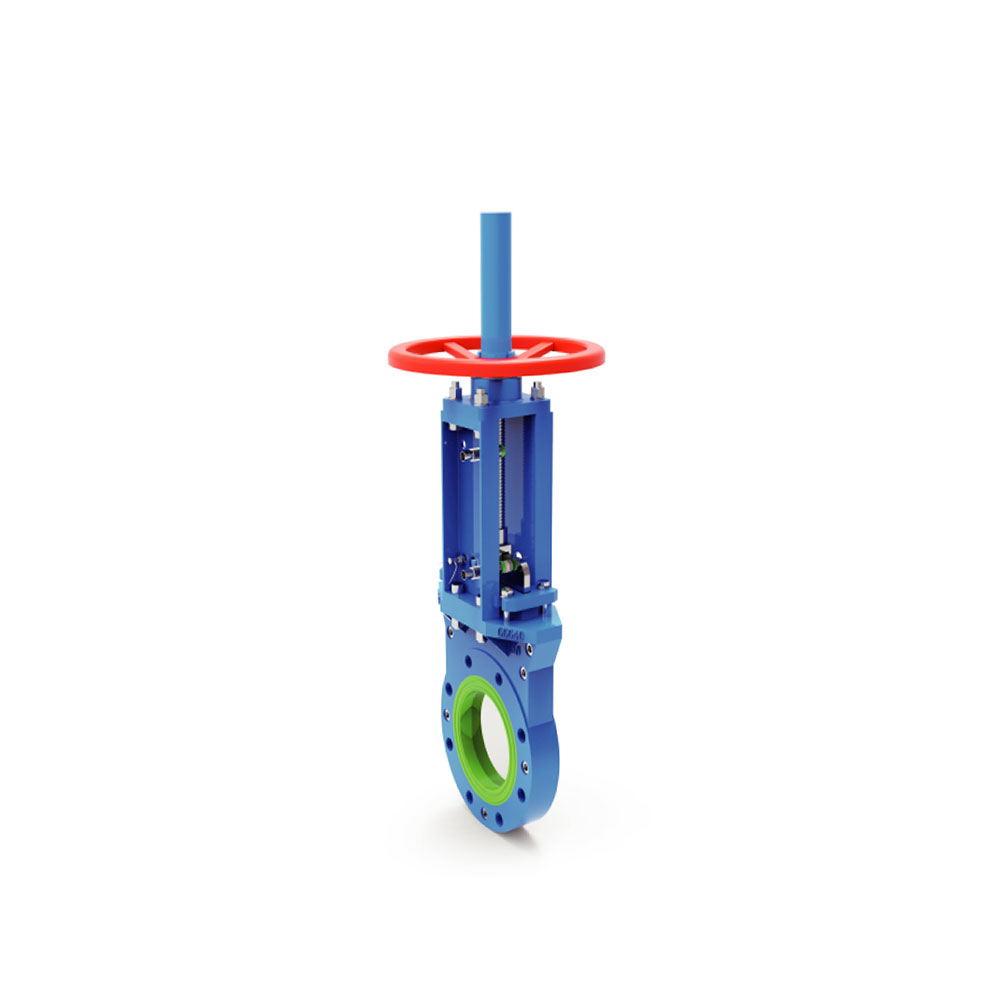
• Slurry Valve

Slurry Valve

1. Design and Manufacture Standard: JB/T8691-2013
2. End Flange Dimension: ASME B16.5.
3. Application Temperature: ASME B16.5
4. Pressure Rate: PN10-25; CLASS150

Description

Standards

• Design and Manufacture: JB/T8691-2013;

• End flange dimension: ASME B16.5.

Applications

•Mineral Processing

•Power Plant

•Wastewater Treatment

•Paper Industry

•Food Industry

Application Temperature

-40-80℃

Pressure Rate

PN10-25

CLASS150

Advantages

1. Full lined protection

Adopts full urethane lined which is made from whole mold injection, pack medium inside of urethane line in order to protect the valve body.

2. Self-flushing design

Design the seat and disc to be a self-flushing structure, to achieve anti-deposition and anti-block.

3. Disc scraper design

Cavity has disc with scraper cleaning function to avoid caking of disc surface and reduce the resistance of open and closing.

4. Easy replaceable of wear-parts

Easy replaceable of wear-parts, the disc and lined can be replaceable in site.

Slurry Valve FAQs

1. What is a Slurry Valve and why is it essential for handling abrasive media?
A Slurry Valve is a specialized valve designed to manage fluids containing suspended solid particles, known as slurries. It is essential because standard valves quickly fail due to the abrasive and erosive nature of slurries. Slurry valves feature robust designs and materials to resist wear, prevent clogging, and ensure reliable operation in challenging environments.
2. What are the key challenges in slurry applications that specialized valves address?
Slurry applications present unique challenges including severe abrasion, erosion, corrosion, and the risk of clogging. Specialized slurry valves address these by incorporating features like full-bore designs, sacrificial wear parts, robust sealing mechanisms, and materials highly resistant to wear and chemical attack, ensuring extended service life and minimal downtime.
3. How do slurry valves prevent clogging and ensure smooth flow?
Slurry valves prevent clogging through design features such as full-bore passages that minimize turbulence and areas where solids can accumulate. Knife gate valves, for example, cut through settled solids, while pinch valves use a flexible sleeve that can be fully opened to eliminate obstructions, ensuring smooth and uninterrupted flow.
4. What materials are commonly used in slurry valves to resist abrasion and corrosion?
Common materials used in slurry valves to resist abrasion and corrosion include hardened alloys (e.g., chrome iron, tungsten carbide), resilient elastomers (e.g., natural rubber, EPDM, polyurethane) for liners, and corrosion-resistant alloys (e.g., stainless steel, Hastelloy) for valve bodies. The specific material selection depends on the slurry’s composition, particle size, and operating conditions.
5. What maintenance considerations are important for maximizing the lifespan of slurry valves?
Maximizing the lifespan of slurry valves involves regular inspection for wear, timely replacement of sacrificial wear parts (like liners or sleeves), proper lubrication of moving components, and ensuring correct installation and operation. Proactive maintenance programs are crucial to prevent unexpected downtime and extend valve life.
6. How do you ensure product quality?
We perform 100% inspection including raw material testing, process monitoring, and final pressure tests per API 598.
get a quote

Related products

Ball Valve

  • Floating Ball Valve
  • Fully Welded Ball Valve
  • Trunnion Ball Valve

Butterfly Valve

  • Full Metal-Seated Bi-Directional Butterfly Valve
  • High Performance Butterfly Valve
  • Three-Eccentric Metal Hard Seal Butterfly Valve

Check Valve

  • Cast Lift Check Valve
  • Cast Swing Check Valve
  • Wafer Type Check Valve

DIN Valve

  • DIN Bellow Sealed Globe Valve
  • DIN Globe Valve
  • DIN Rising Stem Gate Valve
  • DIN Swing Check Valve

Forge Valve

  • Forged Check Valve
  • Forged Floating Ball Valve
  • Forged Gate Valve
  • Forged Globe Valve

Gate Valve

  • Bellow Sealed Gate Valve
  • Flat Gate Valve
  • Wedge Gate Valve

Globe Valve

  • Cast Globe Valve

Plug Valve

  • Eccentricity Plug Valve
  • Inverted Pressure Balance Lubricated Plug Valve
  • Orbit Plug Valve
  • Sleeve Type Plug Valve

Slurry Valve

  • Slurry Valve

Strainer