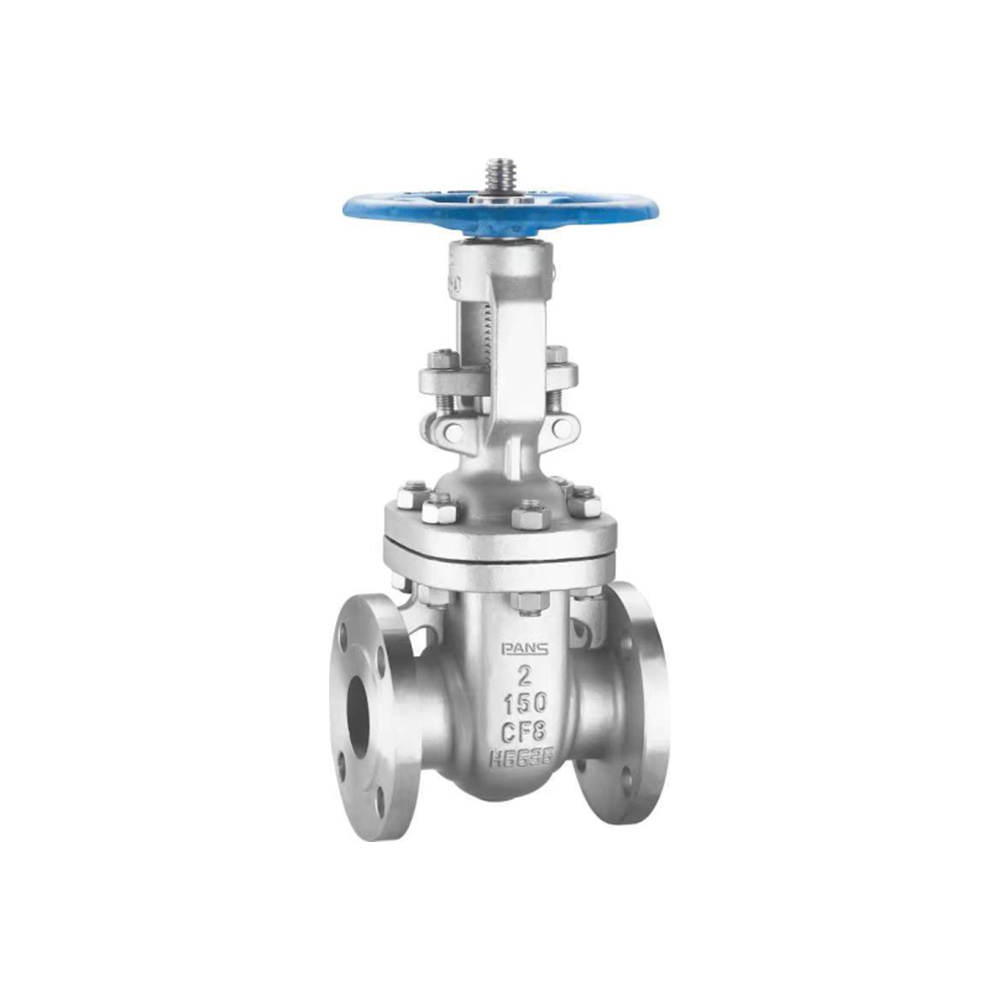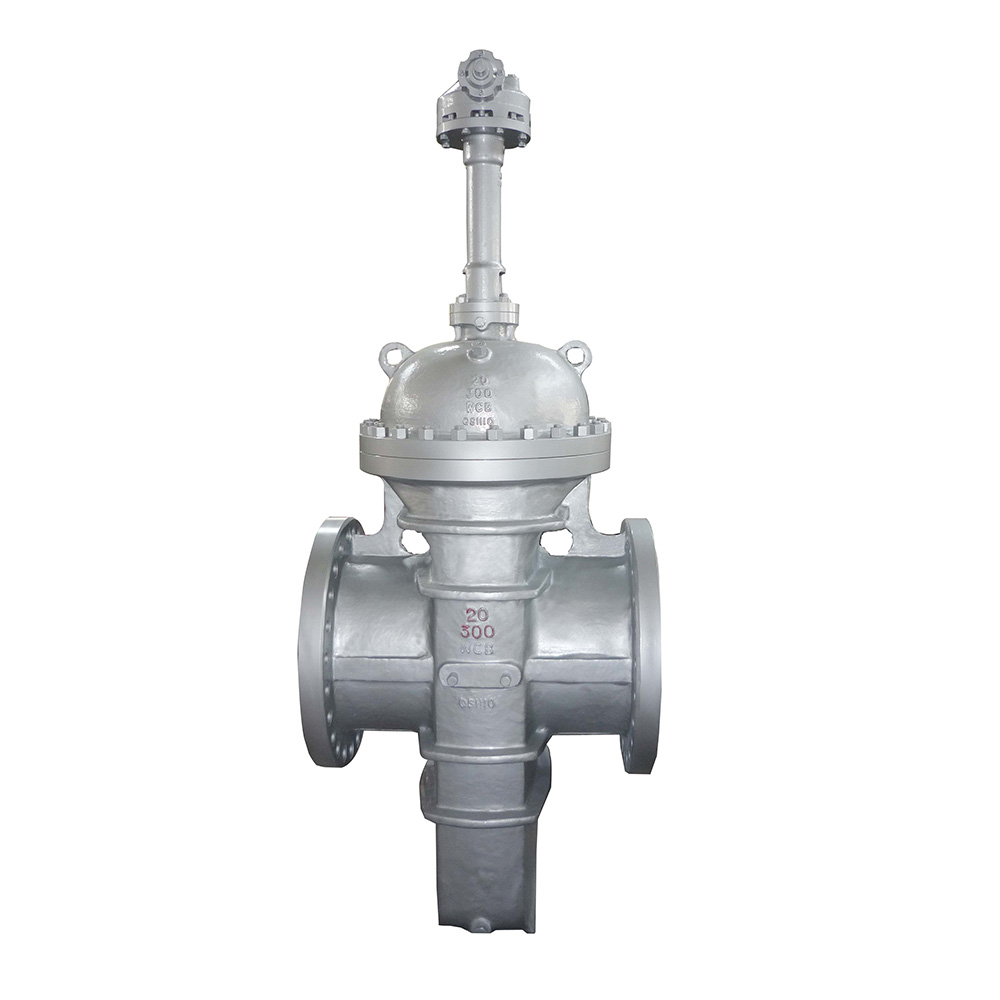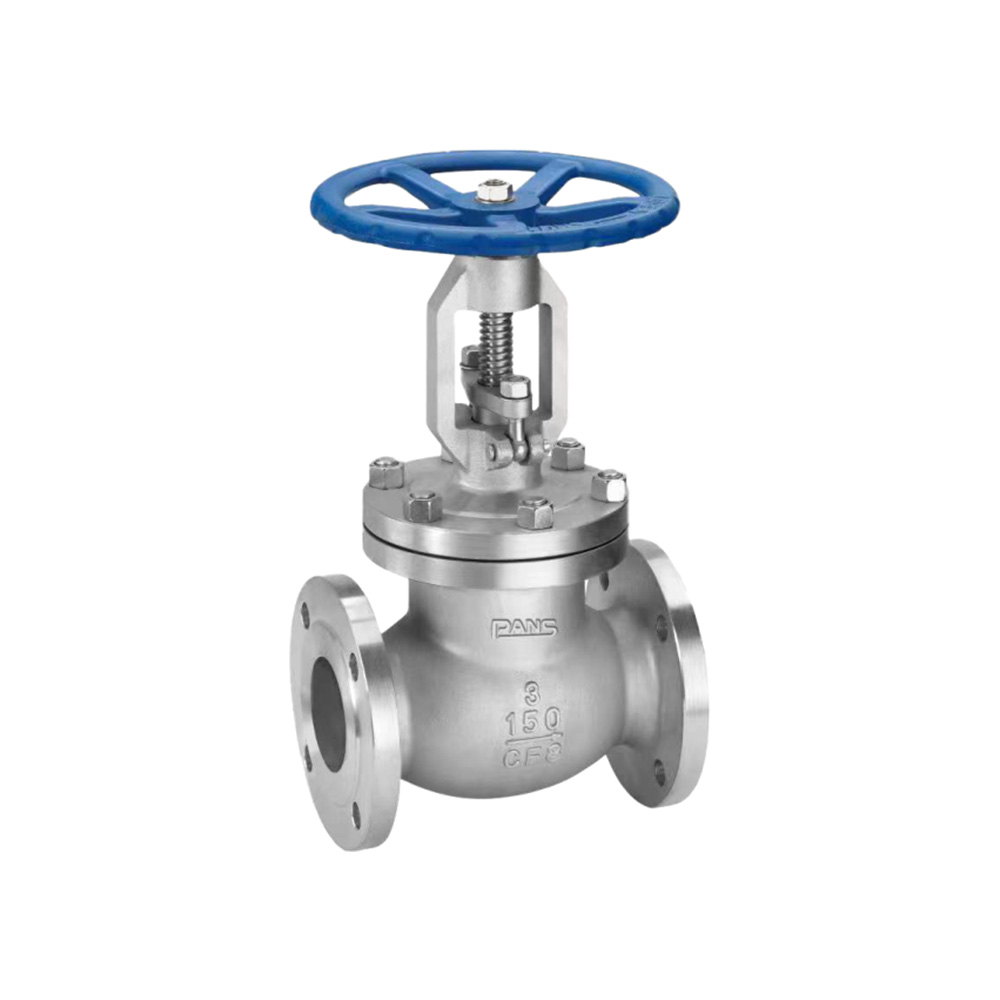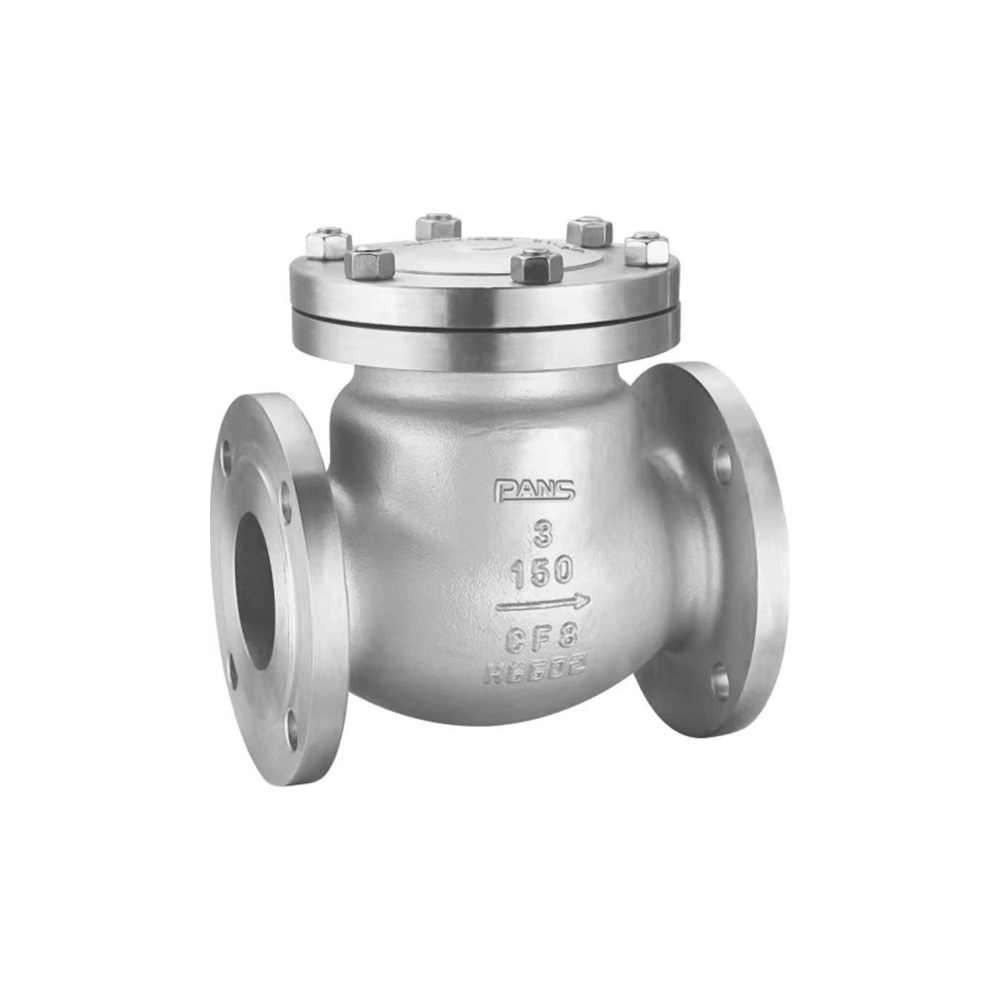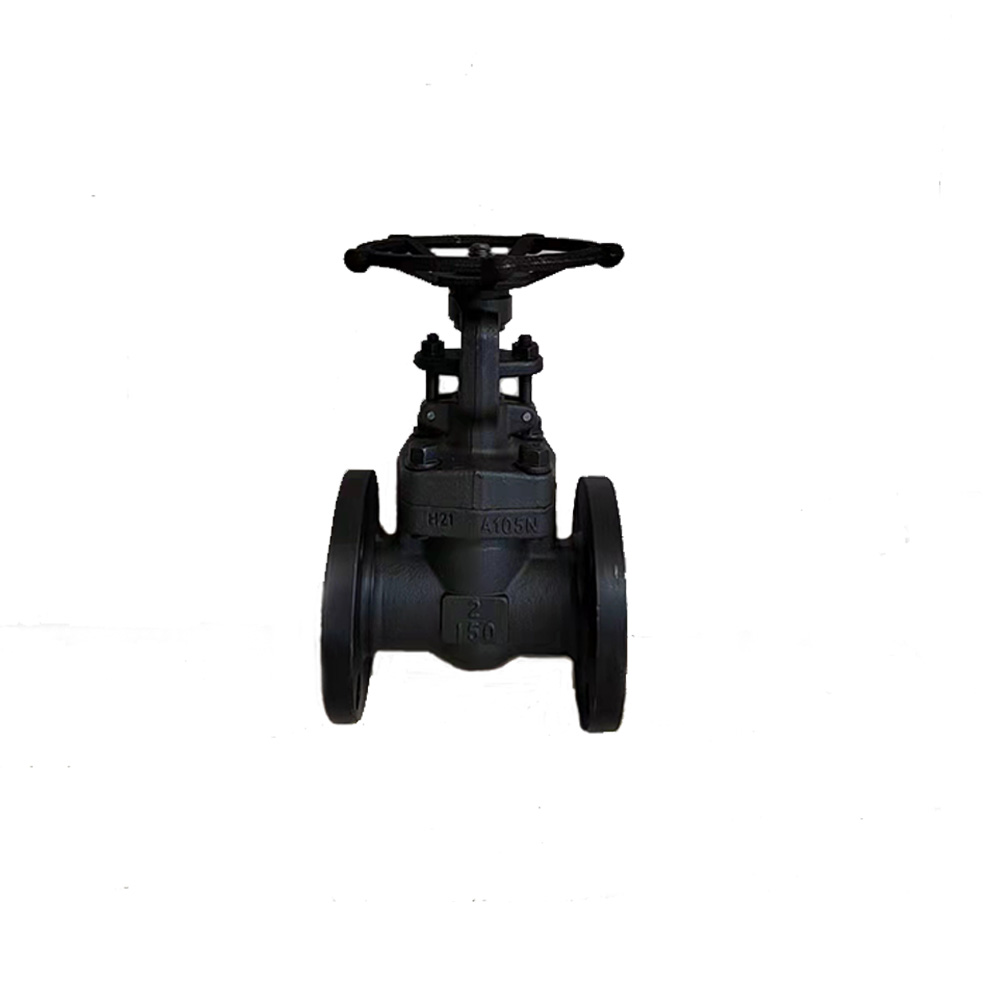
Forged Gate Valve
1. Design and manufacture stadnard: API602
2. Face to face: manufacture standard
3. Flange ends standard: ASME B16.5
4. Inspection and test standard: API598
Description
OS&Y,BB/WB, single wedge,fully guided, renewable seat rings,Yoke integral with bonnet, Rising stem handweel, SW/SC/BW/RF
Forged Gate Valve FAQs
1. What are the primary advantages of a forged gate valve in industrial settings?
A forged gate valve offers superior strength, integrity, and resistance to high pressure and temperature fluctuations compared to cast valves. The forging process creates a dense, uniform grain structure, eliminating internal defects and ensuring higher reliability and longer service life, especially in critical high-pressure, small-bore applications.
2. How does a forged steel gate valve provide reliable shut-off?
A forged steel gate valve provides reliable shut-off by lowering a wedge-shaped gate into the flow path, creating a tight seal against two seats. This design ensures a full, unobstructed flow when fully open and a positive, leak-tight closure when fully closed, making it ideal for on/off isolation services.
3. What is the significance of API 602 forged steel gate valves?
API 602 forged steel gate valves are manufactured to a specific American Petroleum Institute standard, ensuring they meet stringent requirements for design, materials, dimensions, pressure-temperature ratings, and testing for compact steel gate, globe, and check valves. This compliance guarantees high quality and interchangeability for critical services in the oil and gas industry.
4. In what applications are forged gate valves most commonly utilized?
Forged gate valves are commonly utilized in applications requiring positive shut-off and minimal pressure drop when fully open. Industries include oil and gas (upstream, midstream, and downstream), petrochemicals, power generation, and chemical processing, particularly for isolating sections of pipelines or equipment.
5. What material options are available for forged gate valves?
Forged gate valves are available in a wide range of materials. Common options include carbon steel (e.g., A105), stainless steel (e.g., F304, F316), and specialized forged nickel alloy gate valves (e.g., Monel, Hastelloy, Inconel) for highly corrosive, high-temperature, or cryogenic services. Material selection is based on media compatibility and operating conditions.
6. What actuation options do you provide?
Our valves can be equipped with manual handles, gear operators, electric actuators, or pneumatic actuators.
Related products
Ball Valve
- Floating Ball Valve
- Fully Welded Ball Valve
- Trunnion Ball Valve
Butterfly Valve
- Full Metal-Seated Bi-Directional Butterfly Valve
- High Performance Butterfly Valve
- Three-Eccentric Metal Hard Seal Butterfly Valve
Check Valve
- Cast Lift Check Valve
- Cast Swing Check Valve
- Wafer Type Check Valve
DIN Valve
- DIN Bellow Sealed Globe Valve
- DIN Globe Valve
- DIN Rising Stem Gate Valve
- DIN Swing Check Valve
Forge Valve
- Forged Check Valve
- Forged Floating Ball Valve
- Forged Gate Valve
- Forged Globe Valve
Gate Valve
- Bellow Sealed Gate Valve
- Flat Gate Valve
- Wedge Gate Valve
Globe Valve
- Cast Globe Valve
Plug Valve
- Eccentricity Plug Valve
- Inverted Pressure Balance Lubricated Plug Valve
- Orbit Plug Valve
- Sleeve Type Plug Valve
Slurry Valve
- Slurry Valve