21 Sep,2026
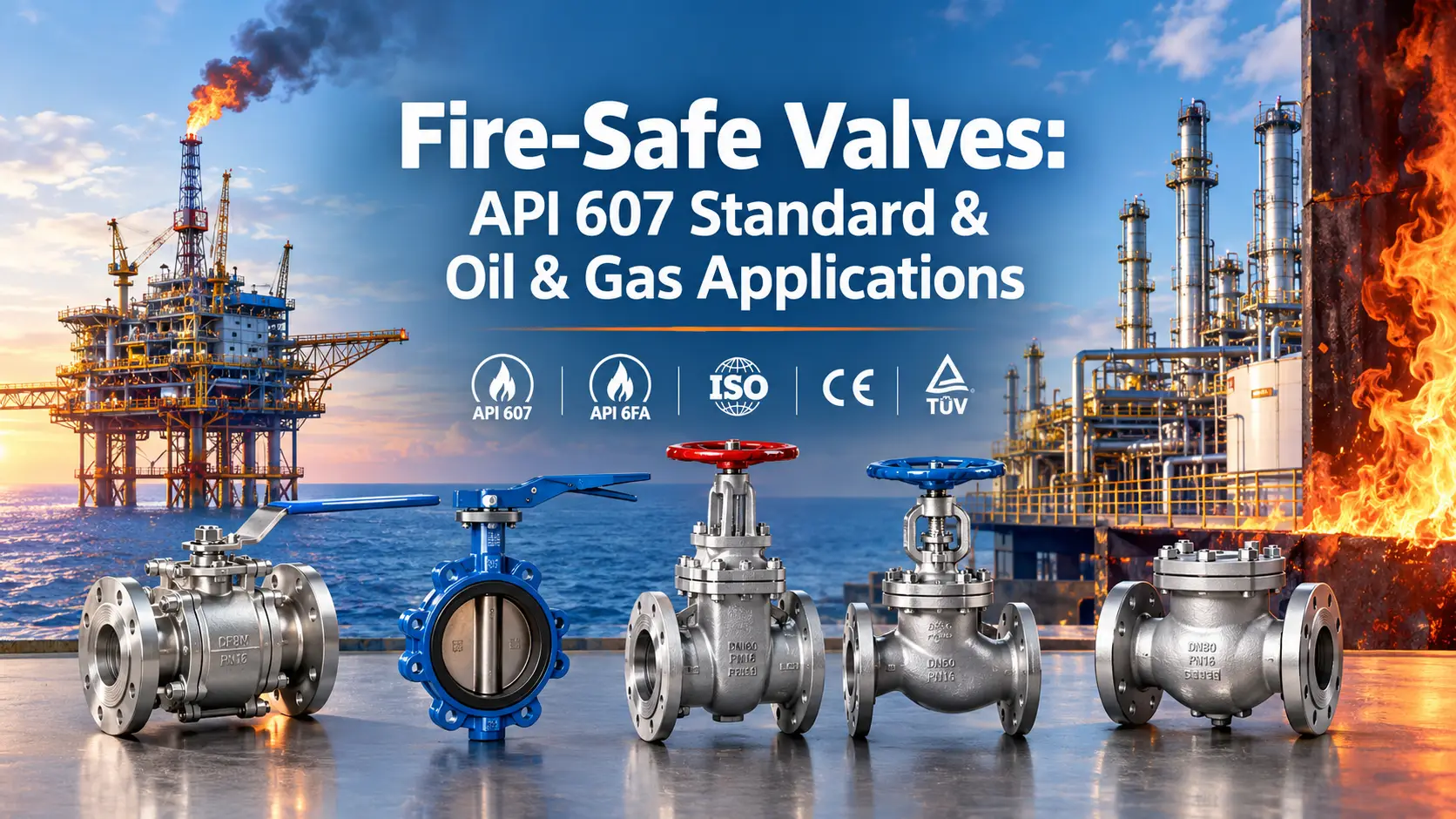
Fire-Safe Valves: API 607 Standard & Oil & Gas Applications
Fire-tested valves are designed to limit external and through-seat leakage to the levels permitted by the applicable standard during and after a specified fire-test sequence. Widely used fire-test standards include API 607 for quarter-turn valves and valves equipped with nonmetallic seats, API 6FA for applicable API 6A and API 6D valves, and API 6FD for […]
20 Sep,2026
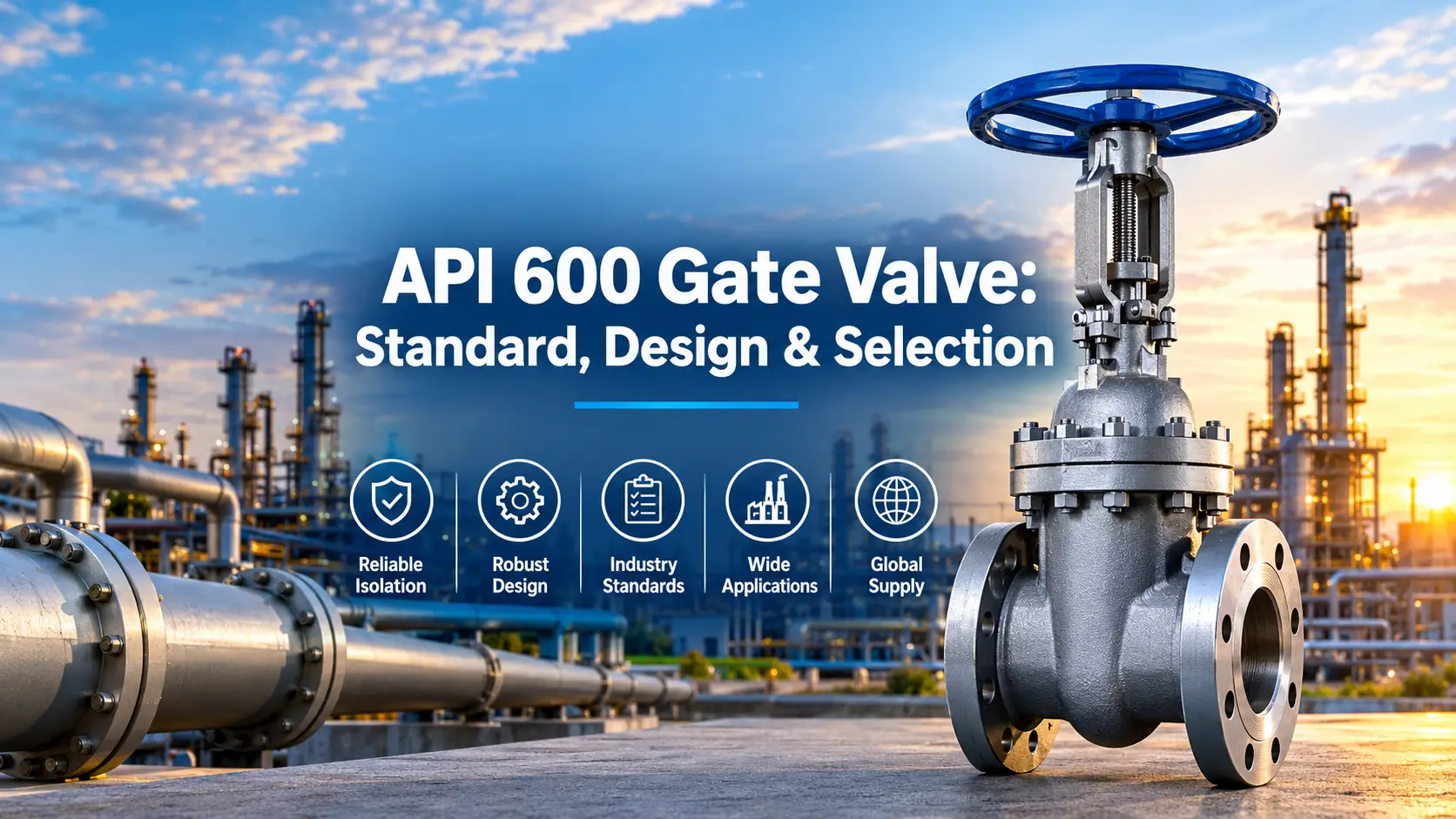
API 600 Gate Valve: Standard, Design & Selection
An API 600 gate valve is a bolted-bonnet cast-steel gate valve designed for petroleum and natural gas service where full-port openings, heavy wall sections, and large stem diameters are required. The applicable size and pressure-class range should be stated according to the edition of API 600 used for the project. PANS Valve manufactures API 600 […]
19 Sep,2026
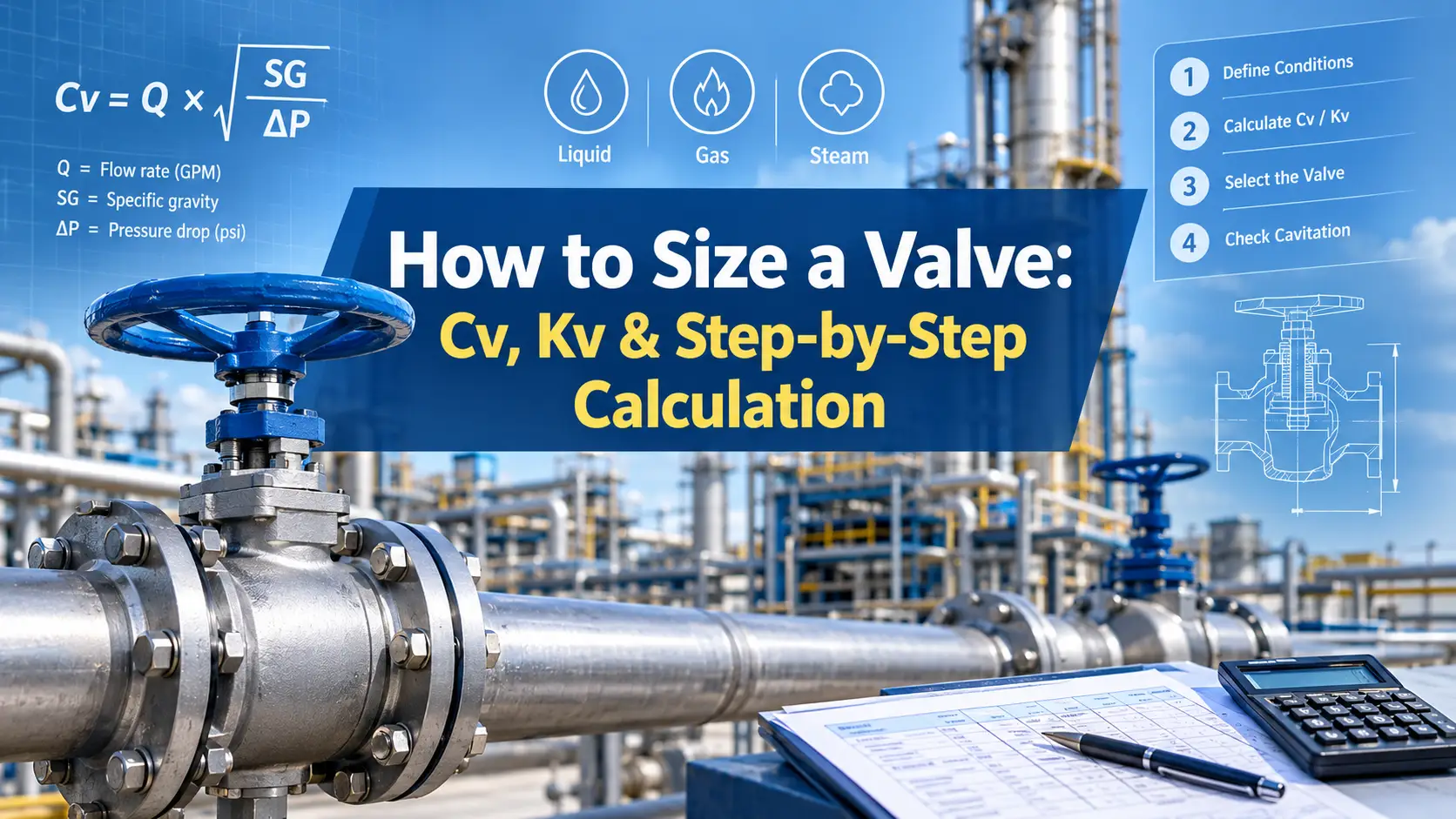
How to Size a Valve: Cv, Kv & Step-by-Step Calculation
Valve sizing comes down to one number: Cv. Or Kv if you are working in metric. Selecting an appropriate Cv or Kv helps achieve the required capacity, but control performance across the operating range also depends on valve characteristics, rangeability, actuator and positioner performance, and the installed system. Get it wrong, and you end up […]
18 Sep,2026
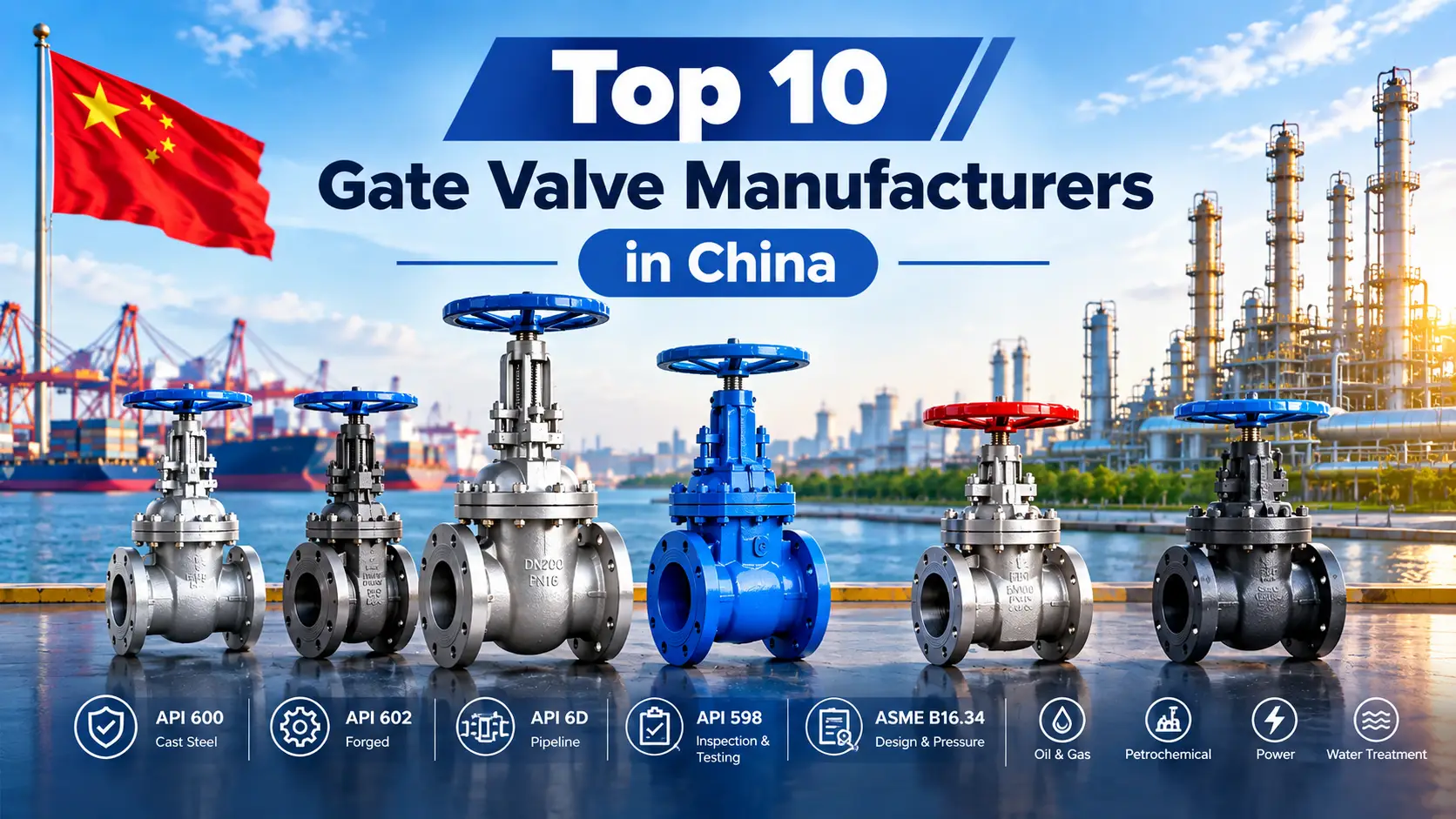
Top 10 Gate Valve Manufacturers in China (2026 Sourcing Guide)
Wedge, parallel-slide, forged, pressure-seal. Gate valve manufacturers in China cover all of it. API 600, API 602, API 6D, ASME B16.34. Full certification stacks across oil and gas, petrochemical, power, and water treatment. PANS Valve manufactures wedges: 2 to 72 in. Flat: 2 to 48 in., to API 600, API 6D, API 602, and API […]
17 Sep,2026
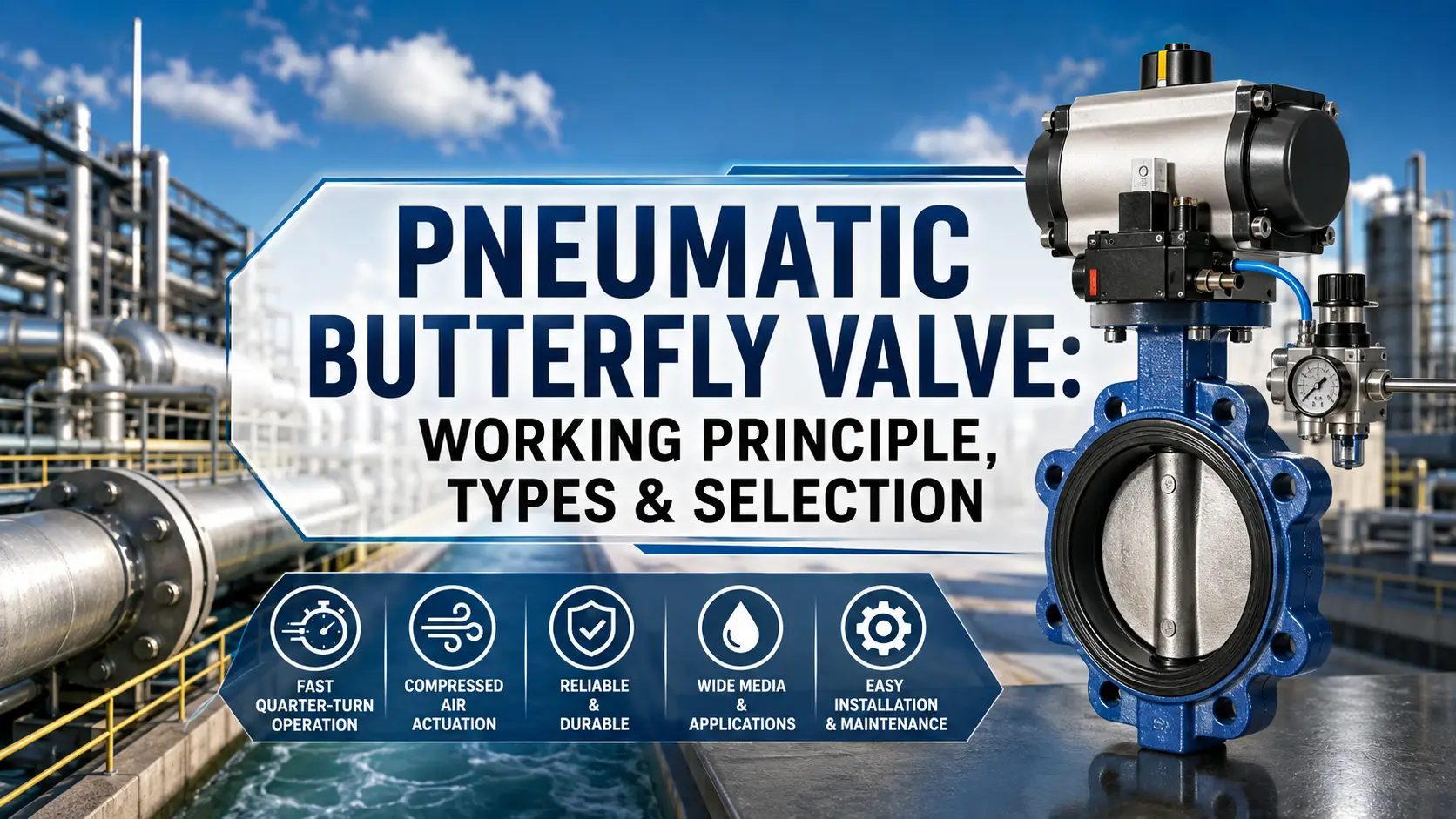
Pneumatic Butterfly Valve: Working Principle, Types & Selection
Quarter-turn. Compressed air. 90-degree disc rotation. That is how a pneumatic butterfly valve controls flow. Fast, automated, compact. Key selection factors are actuator type, seat material, body configuration, pressure class, and whether fail-safe is required. PANS Valve manufactures high-performance butterfly valves to ISO 9001, CE, API, and TUV standards for oil and gas, chemical, water […]
16 Sep,2026
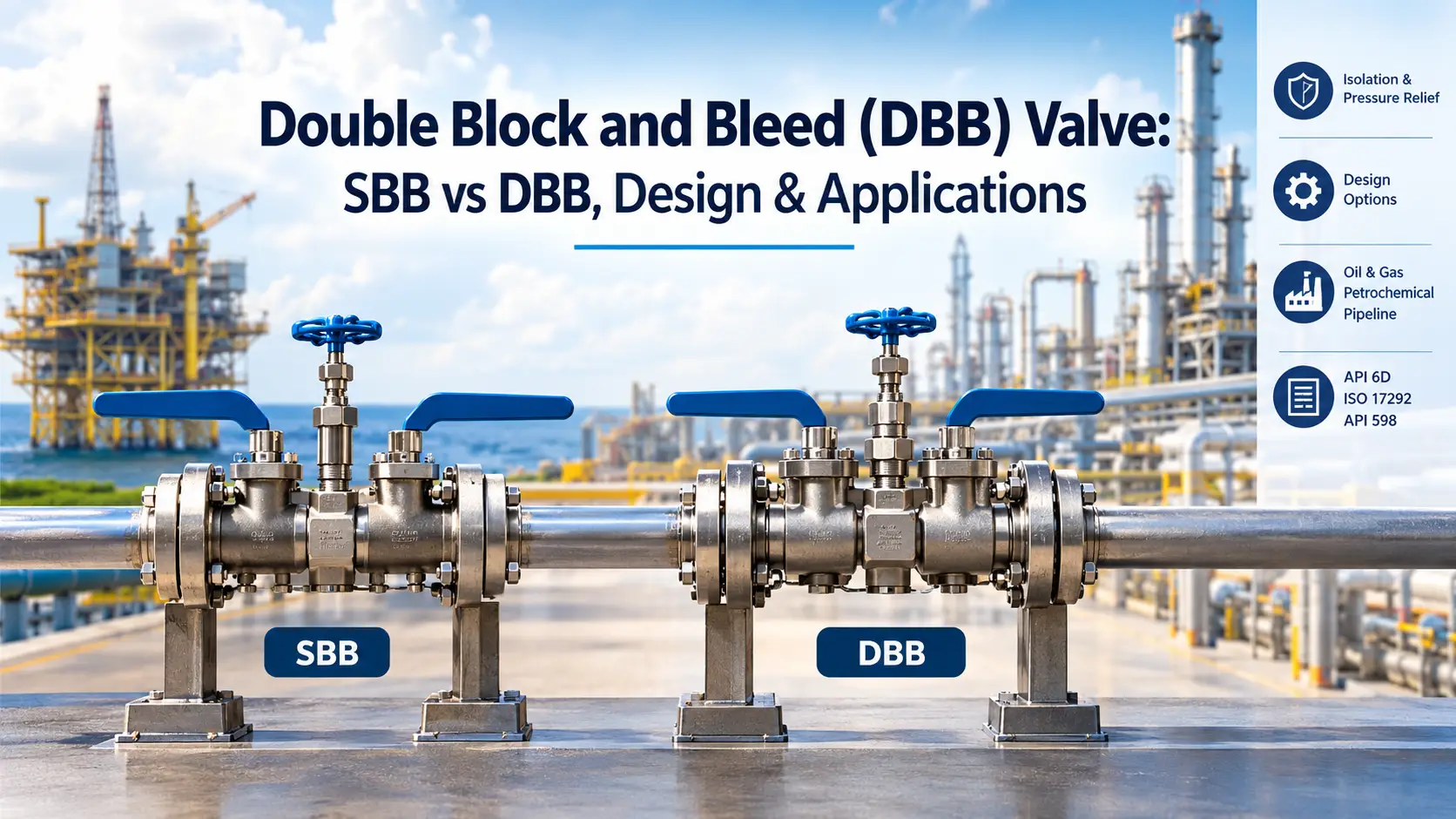
Double Block and Bleed (DBB) Valve: SBB vs DBB, Design & Applications
Three valves. One assembly. That is what a block and bleed valve does. It combines isolation and pressure venting into a single compact unit, cutting down on weight, leak points, and installation complexity. A double block and bleed adds a second independent sealing surface, with a bleed port between the two seats to safely vent […]
15 Sep,2026
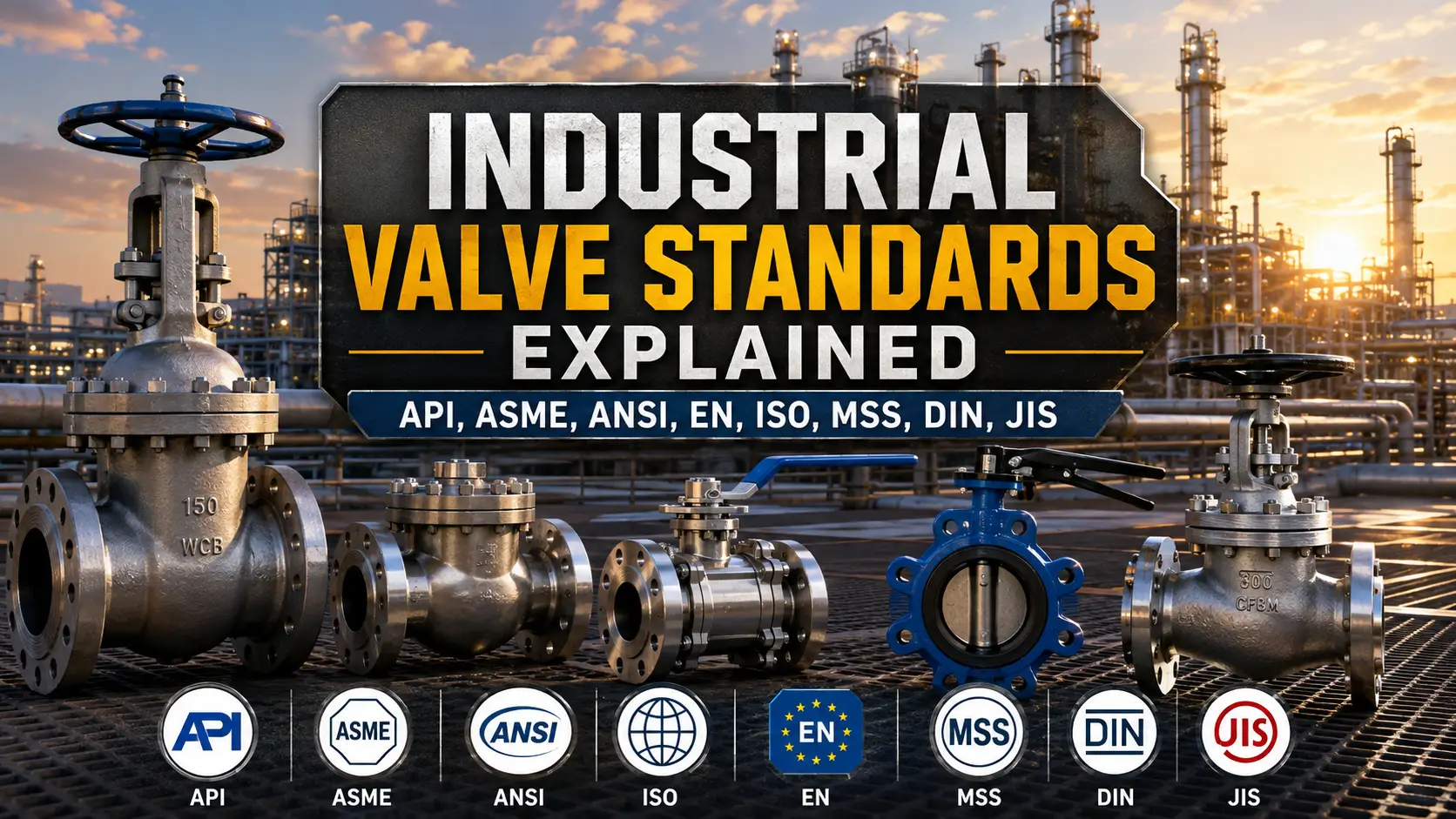
Industrial Valve Standards Explained: API, ASME, ANSI, EN, ISO, MSS, DIN, JIS
Industrial valve standards establish the design, material, dimensional, testing, and pressure-temperature requirements that manufacturers and buyers use to specify, procure, and install valves safely across oil and gas, chemical, power, and water treatment industries. One of the most widely referenced design standards is ASME B16.34, covering flanged, threaded, and welding-end valves across all pressure classes. […]
24 août 2026
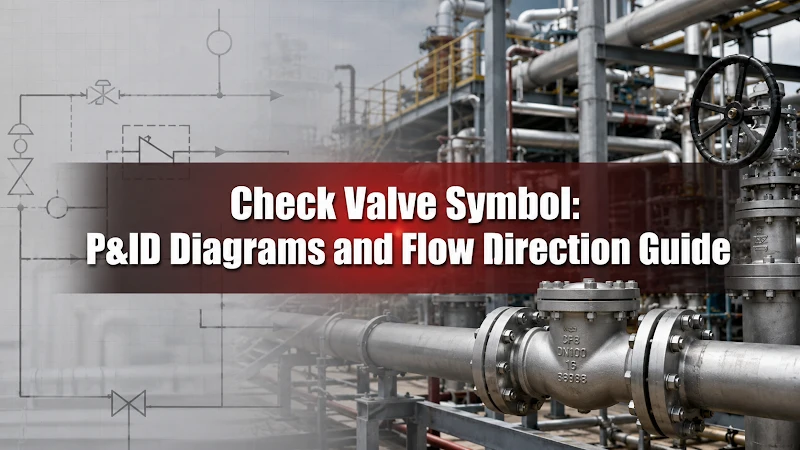
Symbole du clapet anti-retour : Schémas P&ID et guide du sens d’écoulement
Réponse rapide : Symboles des clapets anti-retour dans les schémas P&ID. Les symboles des clapets anti-retour dans les schémas P&ID identifient le type de clapet et le sens d’écoulement autorisé. Il existe des variantes courantes pour les clapets anti-retour à battant, à levée, à bille, à ressort et à double porte. Des normes telles que ISA 5.1, ISO 10628/14617, BS EN 62424/DIN et JIS définissent différentes conventions graphiques pour ces symboles. En partenariat avec PANS Valve […]
10 août 2026
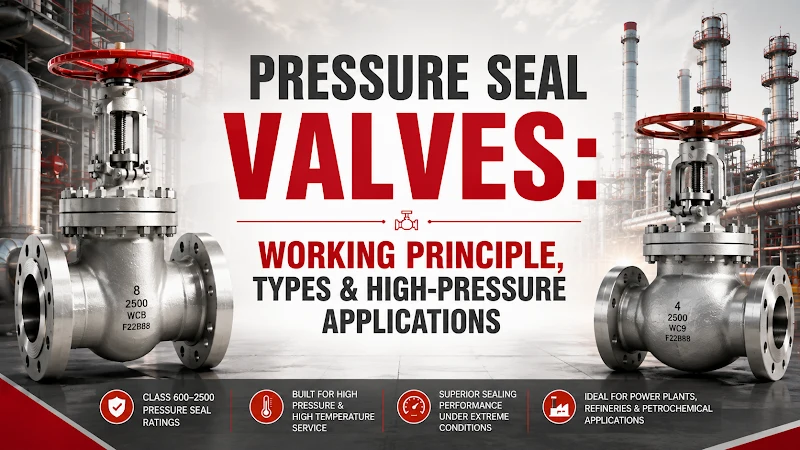
Vannes d'étanchéité sous pression : principe de fonctionnement, types et applications haute pression
Réponse rapide : Vannes à joint d’étanchéité sous pression pour applications haute pression. Les vannes à joint d’étanchéité sous pression utilisent la pression interne de la conduite pour renforcer l’étanchéité entre le corps et le chapeau, ce qui les rend idéales pour les applications haute température et haute pression telles que la production d’énergie, les systèmes de vapeur et le traitement pétrochimique. Leur conception auto-serrante assure une étanchéité fiable tout en réduisant le poids de la vanne, les besoins de maintenance et les contraintes thermiques par rapport aux modèles à chapeau boulonné. […]
Recherche
Catégories
Mots clés
Produit
- Robinet à tournant sphérique
- Robinet à tournant sphérique flottant
- Robinet à tournant sphérique entièrement soudé
- Robinet à bille à tourillon
- Vanne papillon
- Vanne papillon bidirectionnelle à siège entièrement métallique
- Vanne papillon haute performance
- Vanne papillon à joint dur en métal à trois excentriques
- Clapet anti-retour
- Clapet anti-retour à levage moulé
- Clapet anti-retour à battant en fonte
- Clapet anti-retour de type plaquette
- Vanne DIN
- Vanne à soupape scellée à soufflet DIN
- Robinet à soupape DIN
- Vanne à vanne à tige montante DIN
- Clapet anti-retour à battant DIN
- Vanne de Forge
- Clapet anti-retour forgé
- Robinet à tournant sphérique flottant forgé
- Vanne à vanne forgée
- Robinet à soupape forgé
- Vanne à vanne
- Vanne à guillotine à soufflet
- Vanne à vanne plate
- Vanne à vanne en coin
- Robinet à soupape
- Robinet à soupape moulé
- Vanne à boisseau
- Vanne à boisseau excentrique
- Vanne à boisseau lubrifiée à pression équilibrée inversée
- Vanne à boisseau orbitale
- Vanne à boisseau à manchon
- Vanne à lisier
- Vanne à lisier
- Passoire


