13 Out,2026
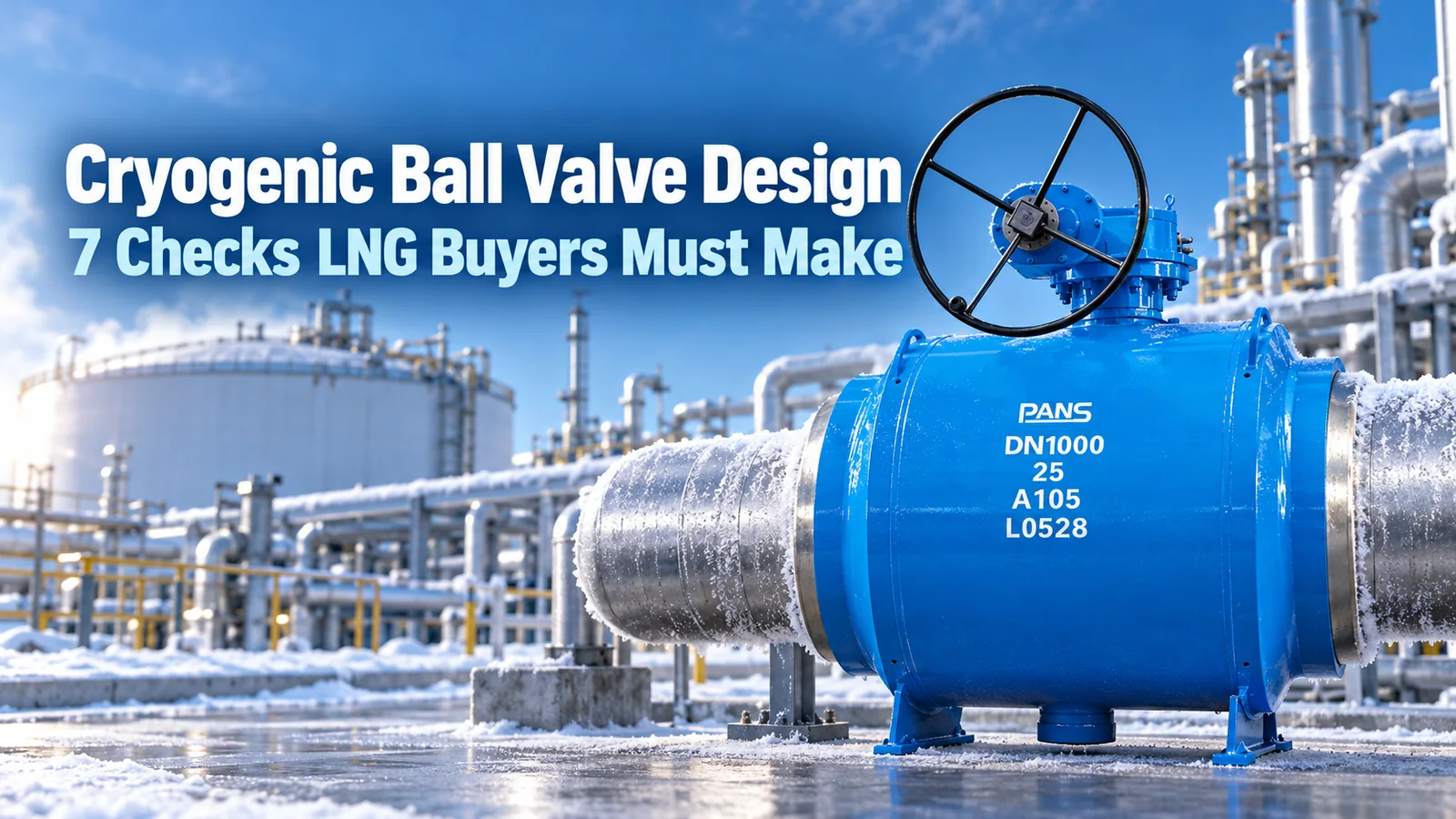
Cryogenic Ball Valve Design: 7 Checks LNG Buyers Must Make
Quick Answer A cryogenic ball valve design is suitable for LNG only when the complete valve configuration is qualified for the minimum service temperature. Verify material suitability for the minimum design temperature. Review grades, heat treatment and traceability, together with impact-test results where required, or the documented exemption permitted by the applicable code and project […]
10 Out,2026
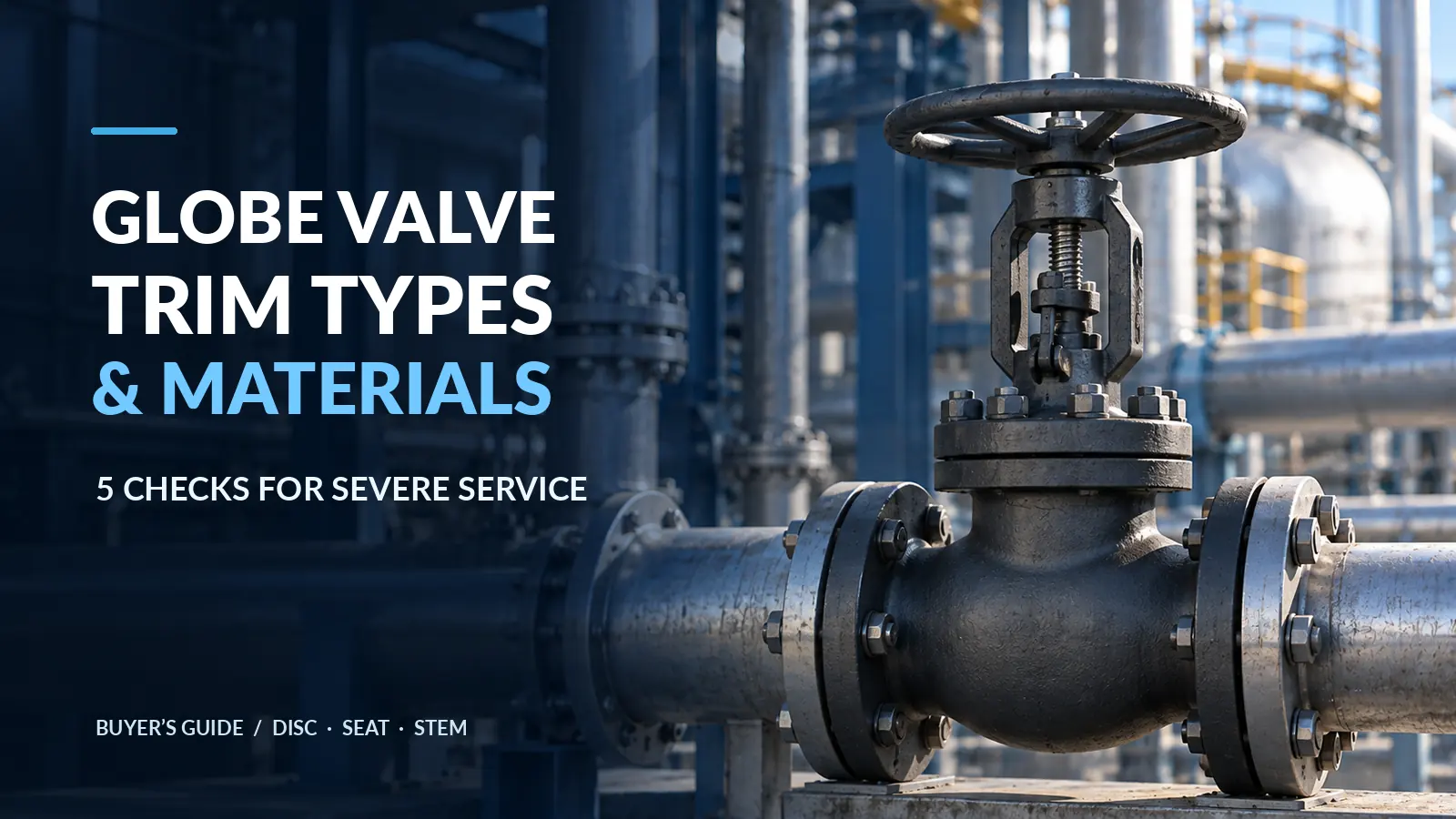
Globe Valve Trim Types and Materials: 5 Checks for Severe Service
Quick Answer Globe valve trim is the set of wetted parts that control flow and shutoff: the disc, seat faces, stem and backseat. For severe service, choose trim by damage mechanism, not by material name alone. Erosion, cavitation, galling and thermal cycling each call for a different answer. A plug disc usually gives more progressive […]
10 Out,2026
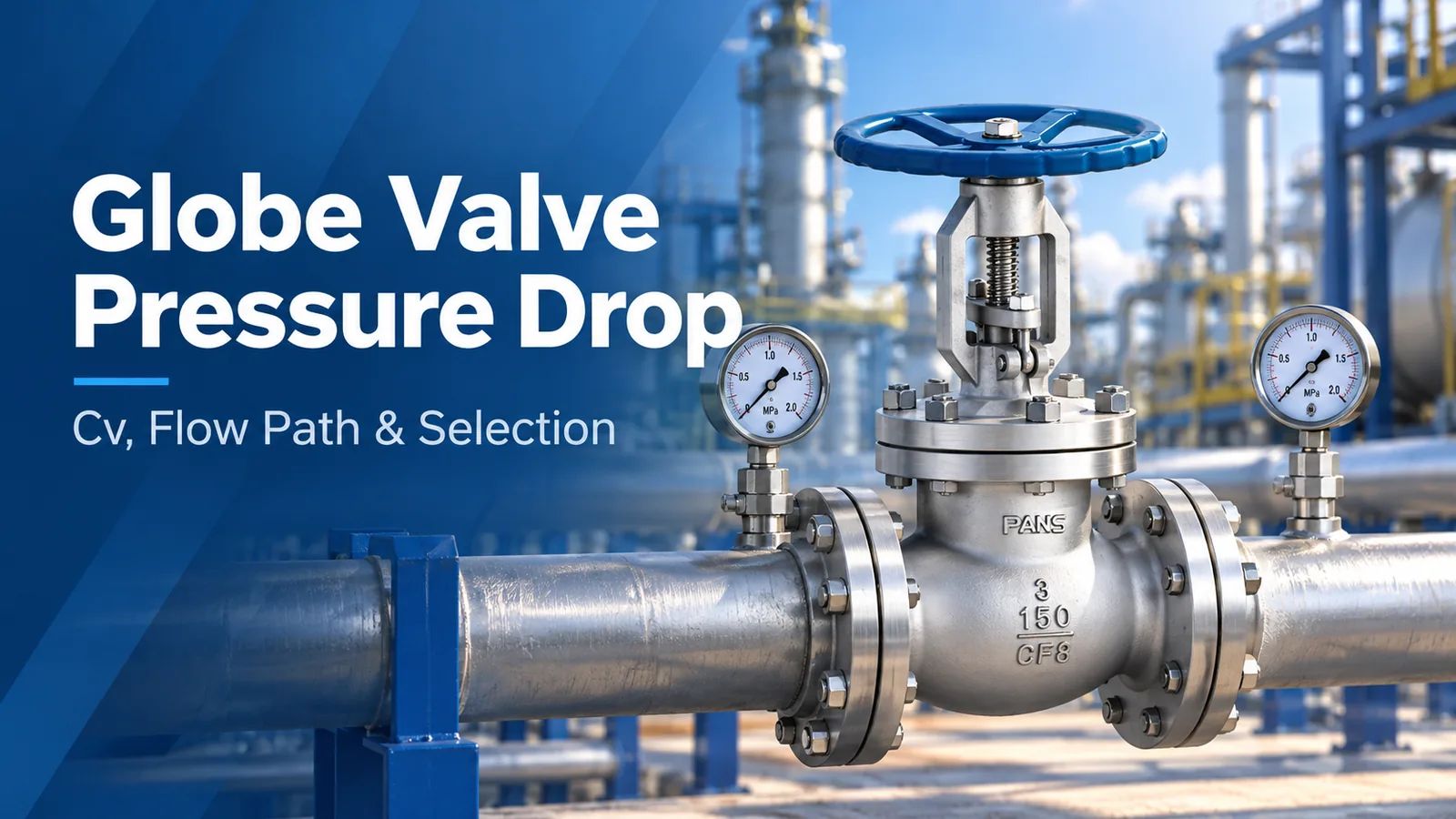
Globe Valve Pressure Drop: Why Cv and Flow Path Decide the Right Size
Quick Answer Globe valve pressure drop is the head loss caused by fluid passing through the body, seat and throttling element at a stated flow. Cv shows how much flow a valve passes at a defined pressure drop, while the flow path, disc position and trim set the actual loss. A low Cv at the […]
08 Out,2026
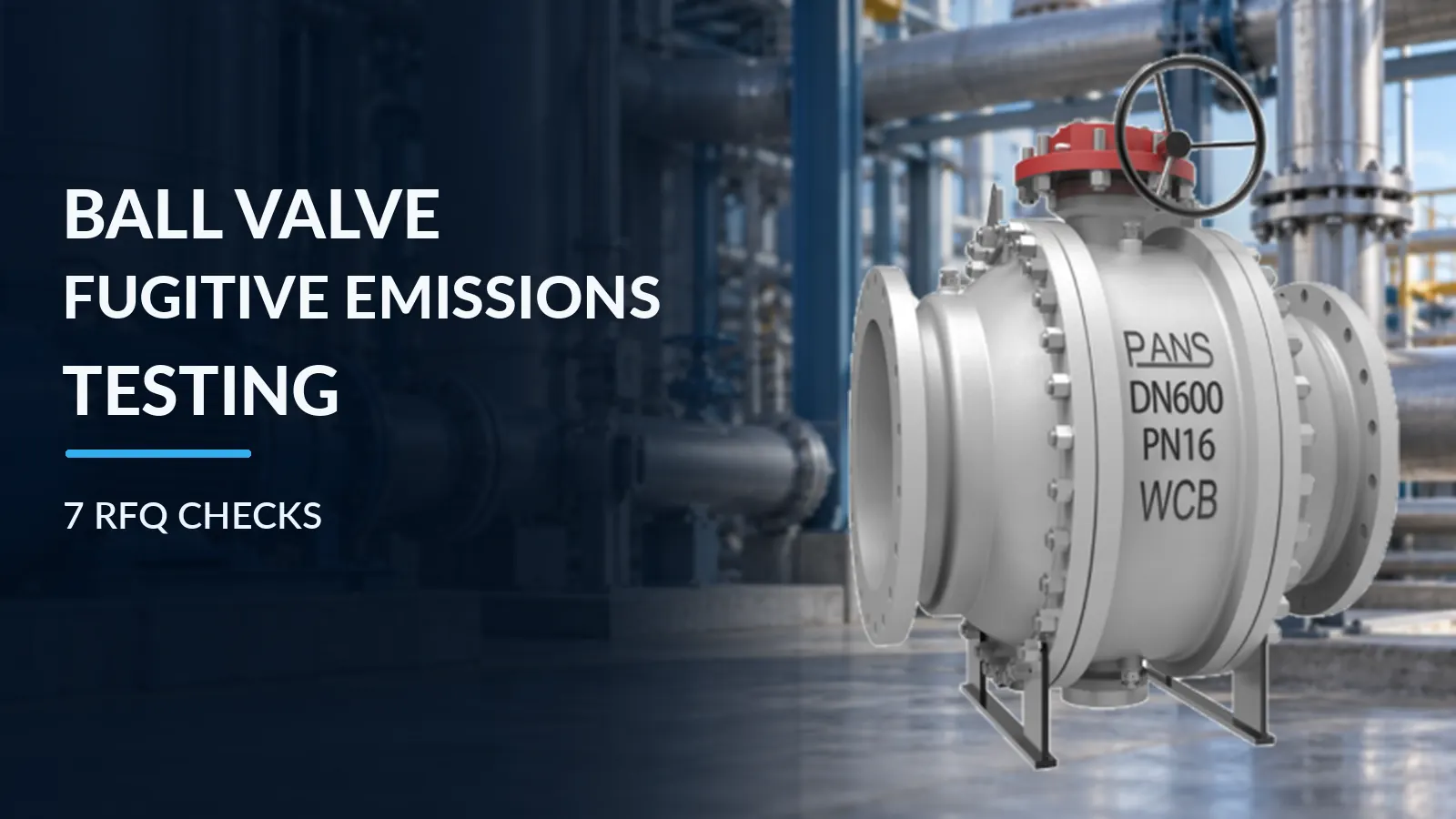
Ball Valve Fugitive Emissions Testing: 7 RFQ Checks Before You Approve a Quote
Quick Answer: A low-emission ball valve is only as strong as its evidence. Match the test standard to the valve design, confirm the report covers the exact size, class, materials and stem seal you are buying, and separate type-test qualification from production testing. A logo is not a report for the valve you will install. […]
07 Out,2026
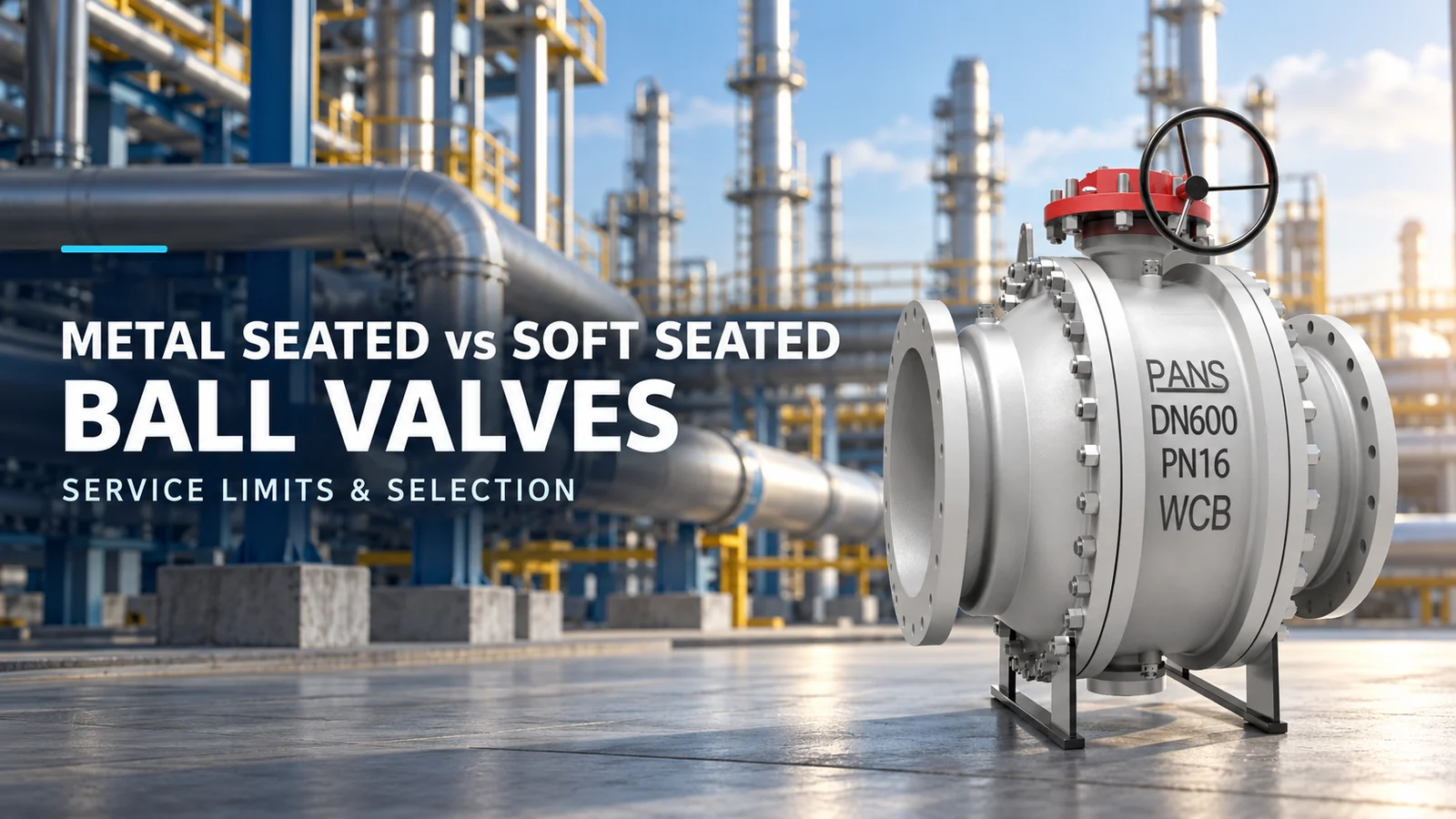
Metal Seated vs Soft Seated Ball Valve: Which Should You Buy?
Quick Answer In the metal seated vs soft seated ball valve decision, the seat sets the practical limit. A soft seat uses a polymer ring against the ball for tight shutoff and low torque at lower cost, but heat, pressure, solids and chemical attack shorten its life. A metal seat uses hard-faced metal contact for […]
31 de março de 2022
Uma Breve História das Válvulas
As válvulas controlam o fluxo, a pressão e a direção de fluidos tanto na indústria quanto no dia a dia. Originárias do bambu e da cortiça ancestrais, elas evoluíram com o uso de plugues de cobre e inovações da era do vapor. As válvulas modernas são categorizadas por função, incluindo válvulas de corte, controle, retenção, divisoras, de segurança e multifuncionais. A escolha adequada depende das especificações, com o desenvolvimento futuro focado na eficiência energética.
Procurar
Categorias
Tag
produtos
- Válvula de esfera
- Válvula de esfera flutuante
- Válvula de esfera totalmente soldada
- Válvula de esfera munhão
- Válvula borboleta
- Válvula borboleta bidirecional totalmente metálica
- Válvula borboleta de alto desempenho
- Válvula borboleta de vedação rígida de metal tri-excêntrico
- Válvula de retenção
- Válvula de retenção de elevação fundida
- Válvula de retenção giratória fundida
- Válvula de retenção tipo wafer
- Válvula DIN
- Válvula globo selada com fole DIN
- Válvula globo DIN
- Válvula de gaveta com haste ascendente DIN
- Válvula de retenção oscilante DIN
- Válvula de Forja
- Válvula de retenção forjada
- Válvula de esfera flutuante forjada
- Válvula de gaveta forjada
- Válvula globo forjada
- Válvula de gaveta
- Válvula de gaveta selada por fole
- Válvula de gaveta plana
- Válvula de gaveta em cunha
- Válvula global
- Válvula globo fundida
- Válvula macho
- Válvula macho de excentricidade
- Válvula macho lubrificada com equilíbrio de pressão invertida
- Válvula macho de órbita
- Válvula macho tipo manga
- Válvula de Polpa
- Válvula de Polpa
- Filtro


