13 Окт,2026
Cryogenic Ball Valve Design: 7 Checks LNG Buyers Must Make
Quick Answer A cryogenic ball valve design is suitable for LNG only when the complete valve configuration is qualified for the minimum service temperature. Verify material suitability for the minimum design temperature. Review grades, heat treatment and traceability, together with impact-test results where required, or the documented exemption permitted by the applicable code and project […]
10 Окт,2026
Globe Valve Trim Types and Materials: 5 Checks for Severe Service
Quick Answer Globe valve trim is the set of wetted parts that control flow and shutoff: the disc, seat faces, stem and backseat. For severe service, choose trim by damage mechanism, not by material name alone. Erosion, cavitation, galling and thermal cycling each call for a different answer. A plug disc usually gives more progressive […]
10 Окт,2026
Globe Valve Pressure Drop: Why Cv and Flow Path Decide the Right Size
Quick Answer Globe valve pressure drop is the head loss caused by fluid passing through the body, seat and throttling element at a stated flow. Cv shows how much flow a valve passes at a defined pressure drop, while the flow path, disc position and trim set the actual loss. A low Cv at the […]
08 Окт,2026
Ball Valve Fugitive Emissions Testing: 7 RFQ Checks Before You Approve a Quote
Quick Answer: A low-emission ball valve is only as strong as its evidence. Match the test standard to the valve design, confirm the report covers the exact size, class, materials and stem seal you are buying, and separate type-test qualification from production testing. A logo is not a report for the valve you will install. […]
07 Окт,2026
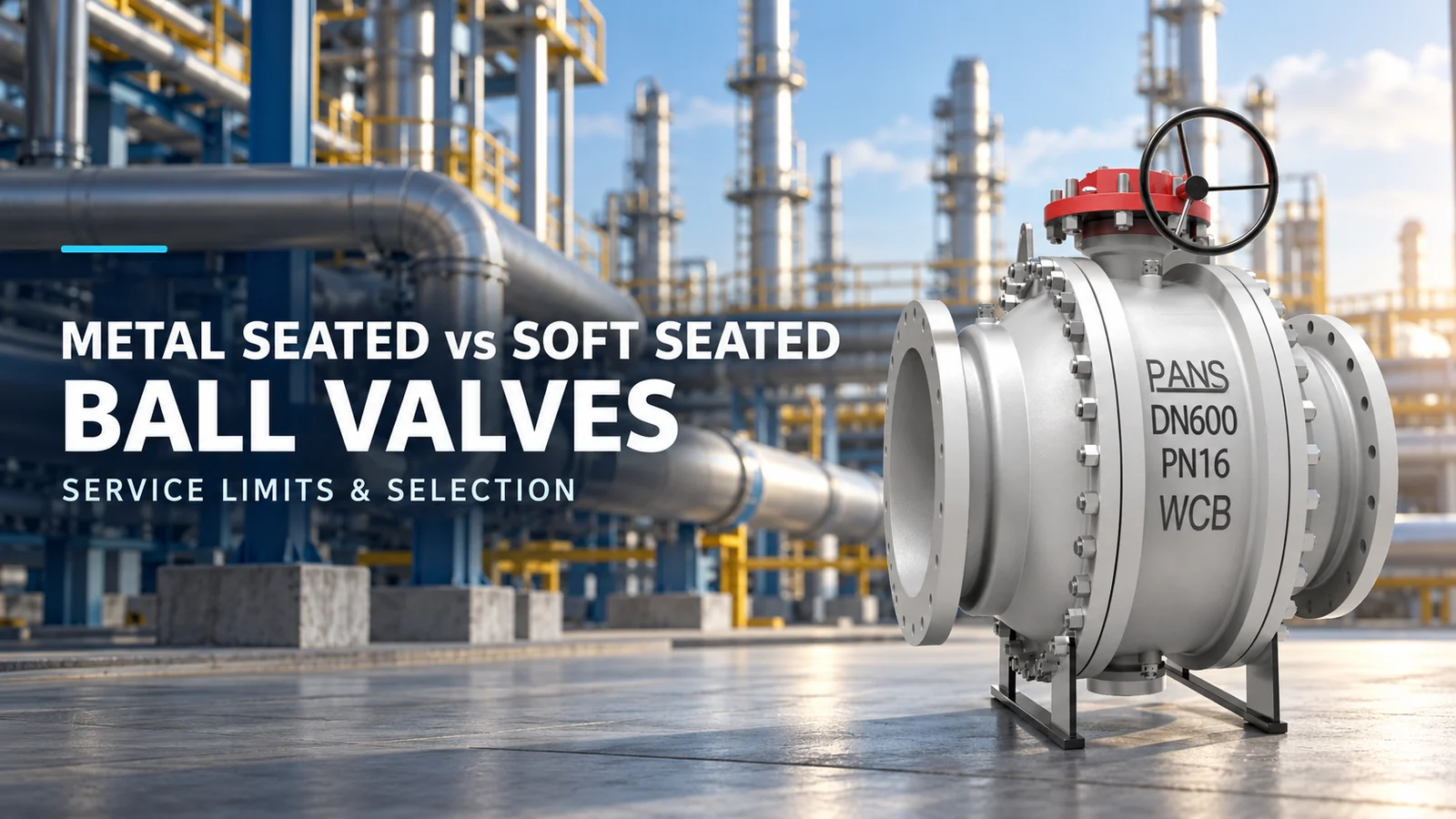
Metal Seated vs Soft Seated Ball Valve: Which Should You Buy?
Quick Answer In the metal seated vs soft seated ball valve decision, the seat sets the practical limit. A soft seat uses a polymer ring against the ball for tight shutoff and low torque at lower cost, but heat, pressure, solids and chemical attack shorten its life. A metal seat uses hard-faced metal contact for […]
21 Сен,2026
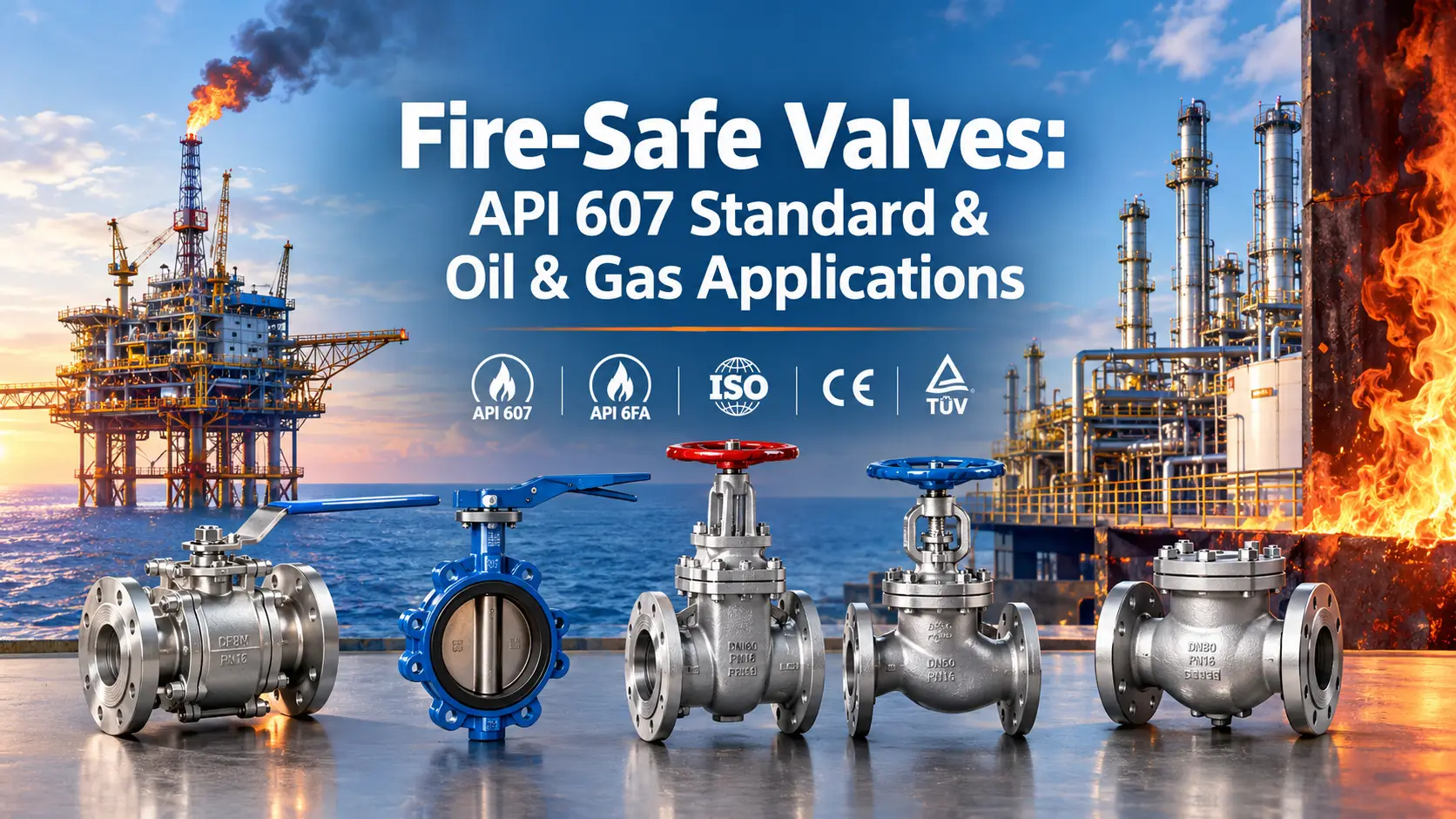
Fire-Safe Valves: API 607 Standard & Oil & Gas Applications
Fire-tested valves are designed to limit external and through-seat leakage to the levels permitted by the applicable standard during and after a specified fire-test sequence. Widely used fire-test standards include API 607 for quarter-turn valves and valves equipped with nonmetallic seats, API 6FA for applicable API 6A and API 6D valves, and API 6FD for […]
20 Сен,2026
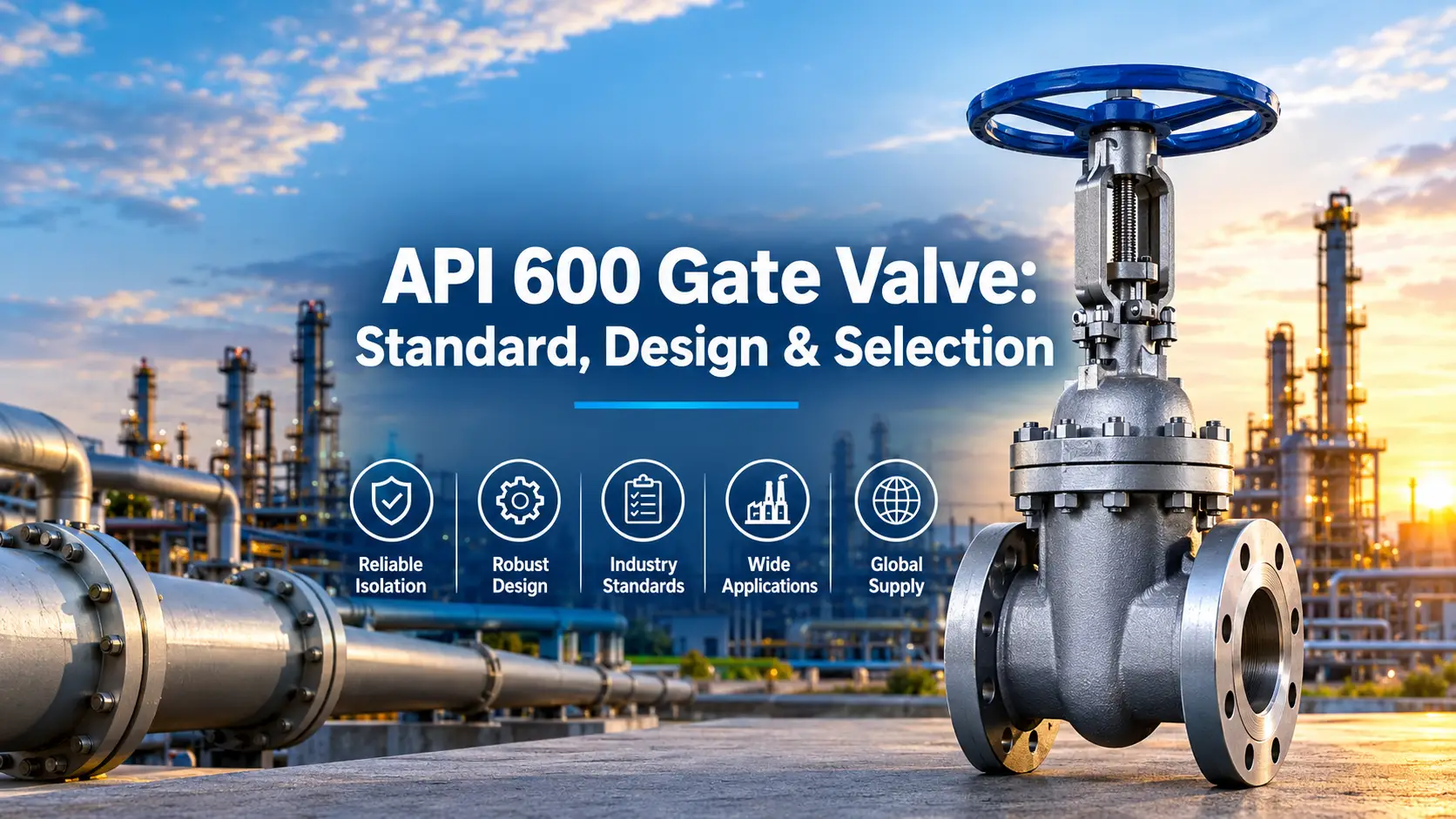
API 600 Gate Valve: Standard, Design & Selection
An API 600 gate valve is a bolted-bonnet cast-steel gate valve designed for petroleum and natural gas service where full-port openings, heavy wall sections, and large stem diameters are required. The applicable size and pressure-class range should be stated according to the edition of API 600 used for the project. PANS Valve manufactures API 600 […]
19 Сен,2026
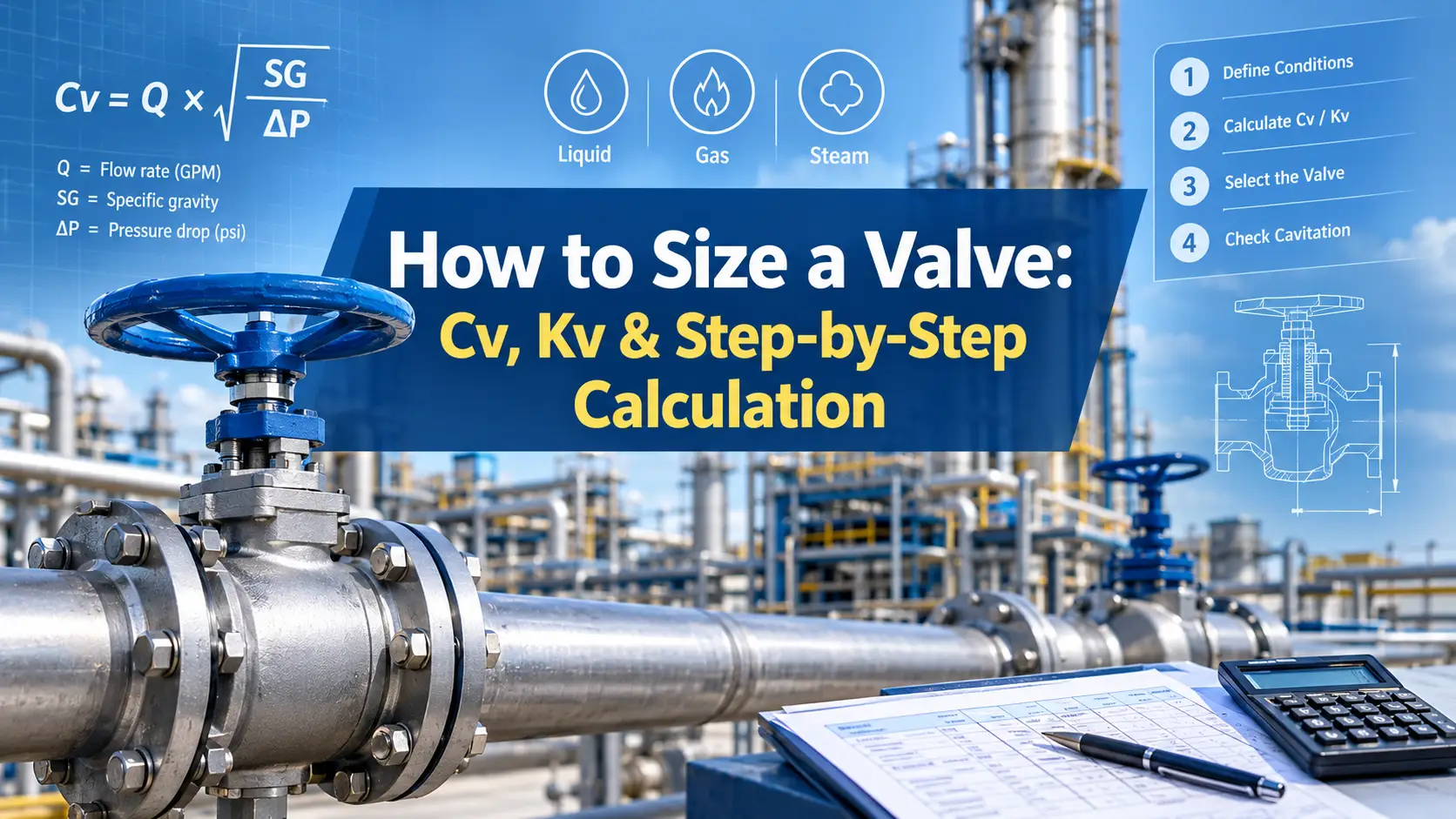
How to Size a Valve: Cv, Kv & Step-by-Step Calculation
Valve sizing comes down to one number: Cv. Or Kv if you are working in metric. Selecting an appropriate Cv or Kv helps achieve the required capacity, but control performance across the operating range also depends on valve characteristics, rangeability, actuator and positioner performance, and the installed system. Get it wrong, and you end up […]
18 Сен,2026
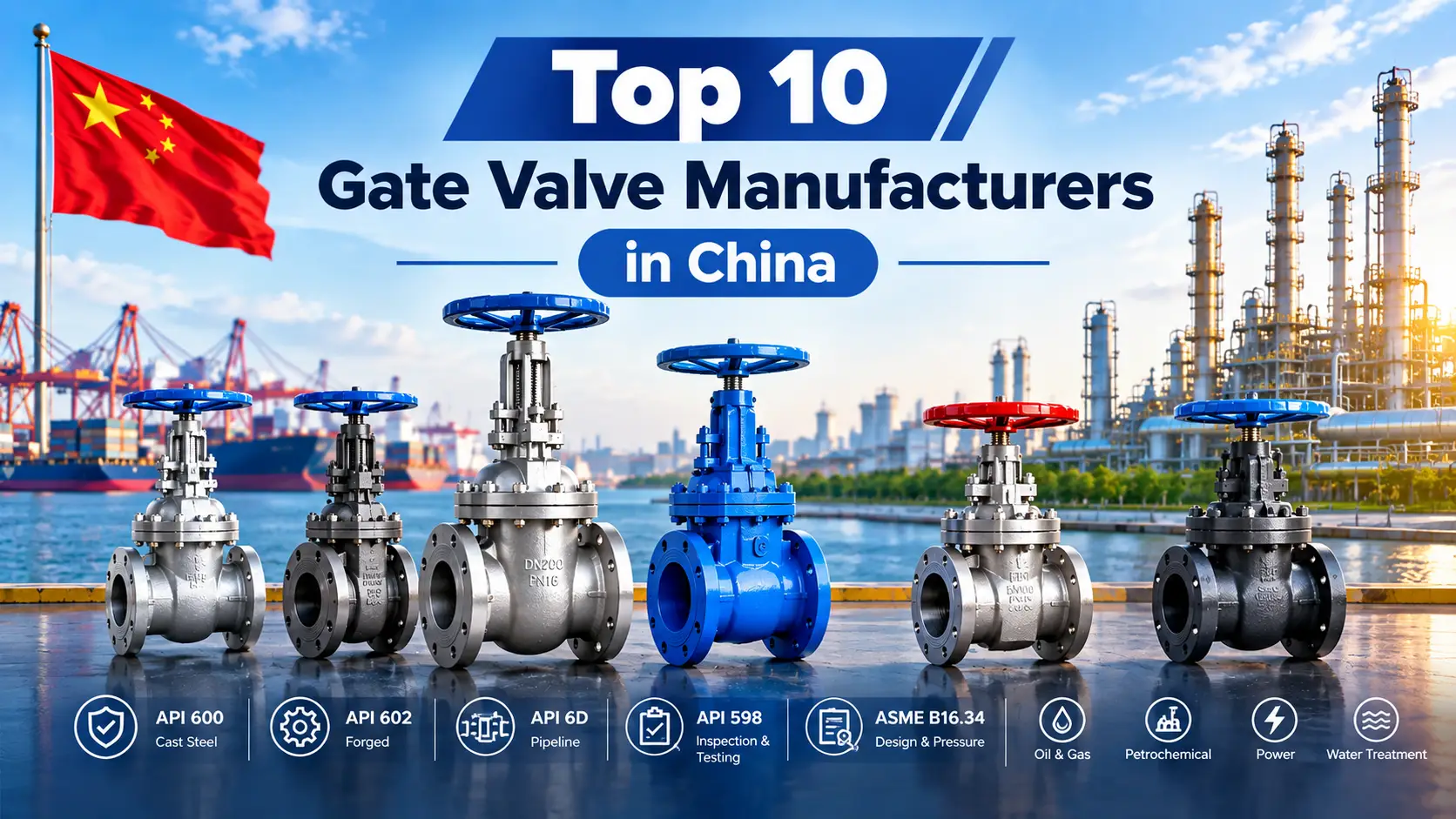
Top 10 Gate Valve Manufacturers in China (2026 Sourcing Guide)
Wedge, parallel-slide, forged, pressure-seal. Gate valve manufacturers in China cover all of it. API 600, API 602, API 6D, ASME B16.34. Full certification stacks across oil and gas, petrochemical, power, and water treatment. PANS Valve manufactures wedges: 2 to 72 in. Flat: 2 to 48 in., to API 600, API 6D, API 602, and API […]
Поиск
Категории
Теги
Продукт
- Шаровой кран
- Плавающий шаровой клапан
- Полностью сварной шаровой кран
- Цапфовый шаровой клапан
- Дроссельный клапан
- Двунаправленный дисковый затвор с цельнометаллическим седлом
- Высокопроизводительный поворотный клапан-бабочка
- Трехэксцентриковый металлический поворотный затвор с жестким уплотнением
- Обратный клапан
- Литой подъемный обратный клапан
- Литой обратный клапан
- Обратный клапан вафельного типа
- DIN-клапан
- Проходной клапан с сильфонным уплотнением по стандарту DIN
- Шаровой клапан DIN
- Задвижка с выдвижным штоком DIN
- Поворотный обратный клапан DIN
- Кузница Клапан
- Кованый обратный клапан
- Кованый плавающий шаровой клапан
- Кованая задвижка
- Кованый шаровой клапан
- Задвижка
- Задвижка с сильфонным уплотнением
- Плоская задвижка
- Клиновая задвижка
- Шаровой вентиль
- Литой шаровой клапан
- Пробковый клапан
- Эксцентриситетный пробковый клапан
- Пробковый клапан с перевернутым балансом давления и смазкой
- Орбитальный пробковый клапан
- Пробковый клапан рукавного типа
- Шламовый клапан
- Шламовый клапан
- сетчатый фильтр


