How To Fix A Leaking Check Valve
A leaking check valve shows up in three ways: visible fluid around the body, backflow pressure drop, or audible hissing. Minor leaks can often be fixed on-site; severe corrosion or cracked bodies require replacement.
Looking for whether a check valve is leaking is important. In this article, we’ll tell you preventative measures, inspection tips and whether you’ll need to deal with check valve replacement costs.
Preventing Check Valve Leaking
- Picking the right check valve: Match valve pressure rating (PN/Class) to your system’s max operating pressure, with at least 10% safety margin. ANSI 150 is insufficient above 20 bar.
- Usual Inspection: Schedule visual inspections every 3–6 months for standard service; monthly for steam or chemical lines.
- Apt Installation: Swing check valves must be installed horizontally or in the direction shown by the body arrow. Reversed installation is the single most common cause of immediate backflow.
- Avoid Higher Than Stated Pressure Situations: Water hammer—caused by sudden pump shutdowns—creates pressure spikes 3–5x above operating pressure. Install surge arrestors if your line uses frequent pump cycling.
- Valve Cleaning: Remove and flush the disc and seat if flow velocity drops noticeably. Debris buildup typically causes disc flutter before causing a full leak.
Check Our High-Qulity Check Valve Series
How to Inspect a Leaking Check Valve
Before inspection, identify the leak type:
- External leak: fluid escaping from the valve body, bonnet bolts, or end connections
- Internal leak (passing): fluid flowing backward through a ‘closed’ valve — no visible drip, but detectable by pressure drop or backflow at an upstream gauge
The signs of a bad check valve start as small problems. Here are some tips to follow to see if a valve is leaking:
- Before starting your inspection, always put on protective equipment AKA PPE. Always remember to depressurize the entire pipe system. This will close the valves momentarily.
- Perform a structural body inspection. You will want to look for any signs of leaks such as puddles, rusting or improperly installed valves.
- You can use a dry fabric and pat around the valves. If it dampens up, that’s a signal for check valve leaking.
- You can also look for sound. Check valves are known to be silent. If the valves make hissing sounds during fluid flow, this also indicates a potential leak.
- You can also make use of a soap solution valve leak test. Pass the soapy fluid through the pipes. With a leakage, you can see bubbles on the outer body of the valve.
Fixing A Leak Valve
Choosing to fix a leak valve entirely depends on your situation. Ultimately, going for check valve replacement or reaching out to a valve technician means spending more money. But this can solve your leak valve without any doubts. If technician repair is too costly, here are ways to fix a check valve leaking on your own:
- First step is to always put on protective equipment (PPE) to prevent any injuries or harmful exposure.
- Detach the valve so you can see its internal components.
- Conduct an inspection. Look for any cracks, breaks or rusting. These are the most common causes of leaks.
- If dealing with small scale repair such as replacing any small internal component, look for compatible replacements. Here, it is always better to ask for a second opinion so you are sure about your check valve replacement.
- Since the valve is already detached, take your time to clean it.
- Reattach any removed internal pieces and install the valve to the pipes.
- Test out the valve by allowing lower volumes of liquid to pass through. You can also rerun the soap solution valve leak test.
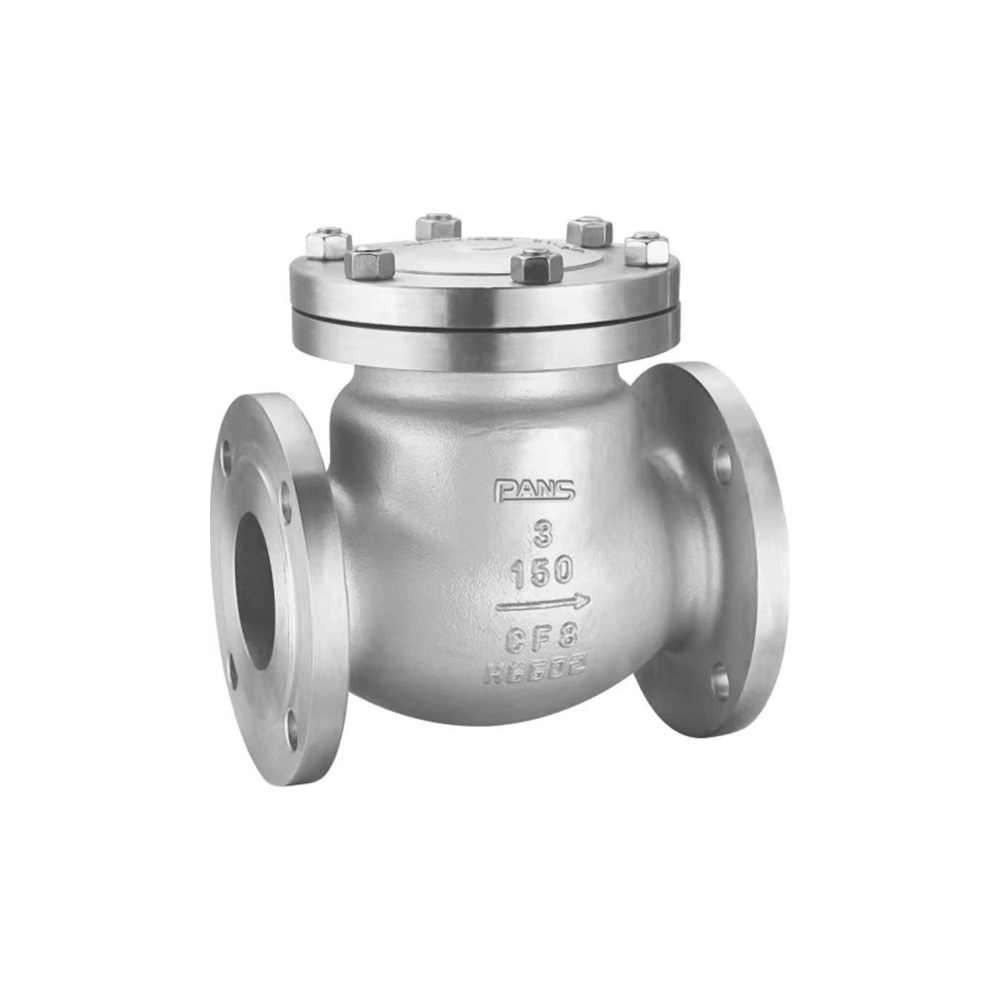
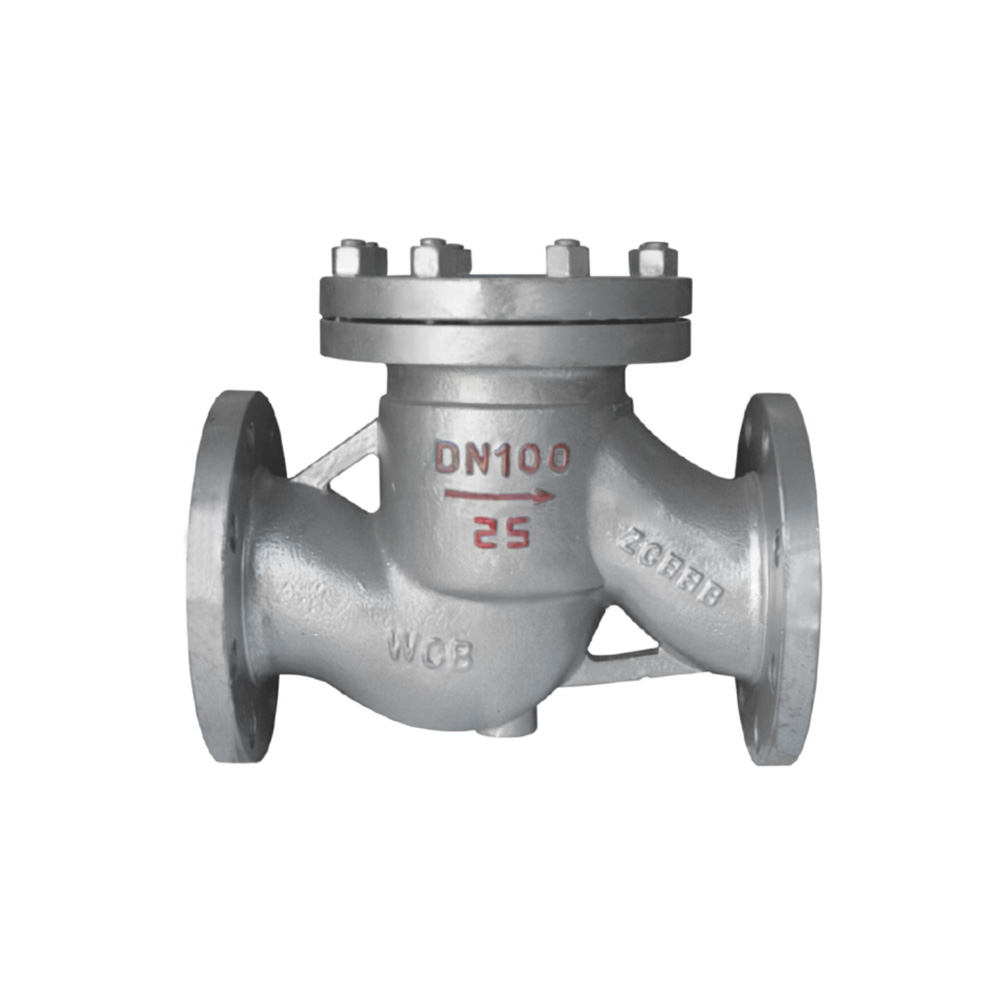
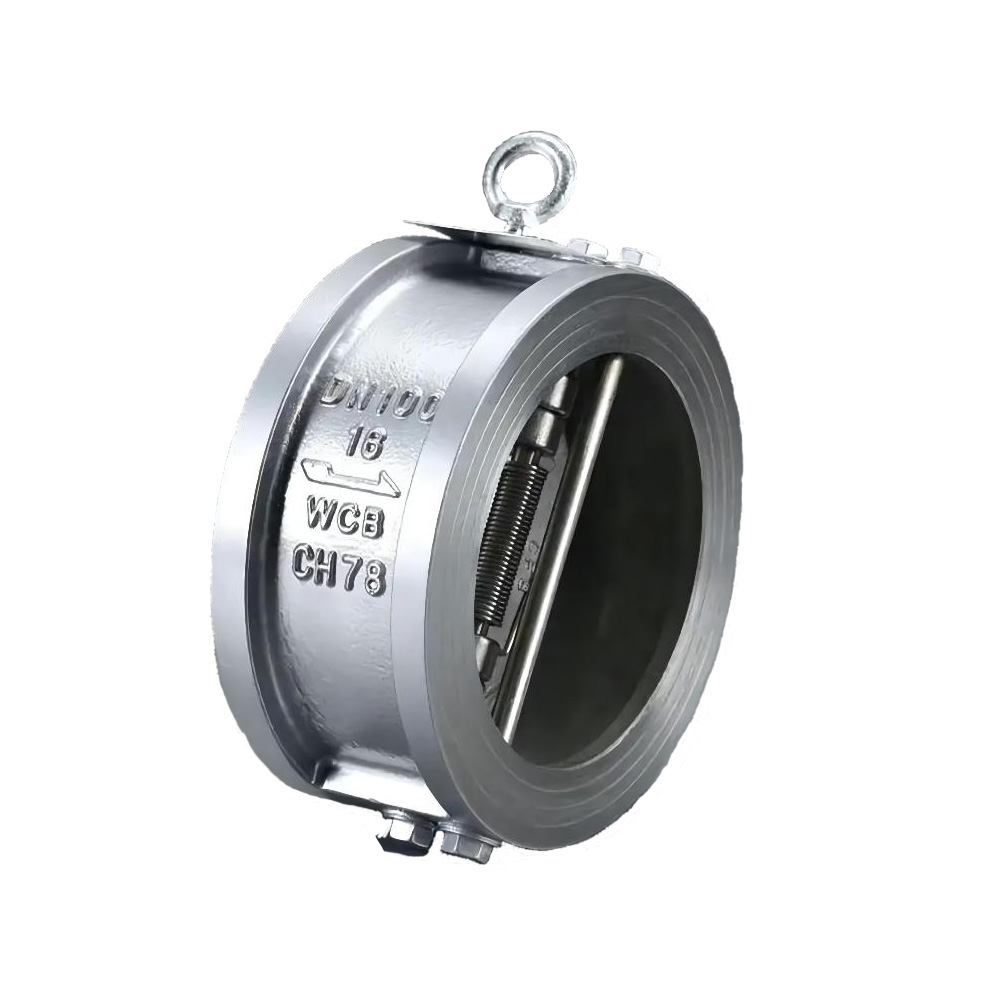
If your valve body is damaged beyond repair, explore Pans Valve’s cast swing check valve and lift check valve options for direct replacement.
Search
Categories
Tags
Product
- Ball Valve
- Floating Ball Valve
- Fully Welded Ball Valve
- Trunnion Ball Valve
- Butterfly Valve
- Full Metal-Seated Bi-Directional Butterfly Valve
- High Performance Butterfly Valve
- Three-Eccentric Metal Hard Seal Butterfly Valve
- Check Valve
- Cast Lift Check Valve
- Cast Swing Check Valve
- Wafer Type Check Valve
- DIN Valve
- DIN Bellow Sealed Globe Valve
- DIN Globe Valve
- DIN Rising Stem Gate Valve
- DIN Swing Check Valve
- Forge Valve
- Forged Check Valve
- Forged Floating Ball Valve
- Forged Gate Valve
- Forged Globe Valve
- Gate Valve
- Bellow Sealed Gate Valve
- Flat Gate Valve
- Wedge Gate Valve
- Globe Valve
- Cast Globe Valve
- Plug Valve
- Eccentricity Plug Valve
- Inverted Pressure Balance Lubricated Plug Valve
- Orbit Plug Valve
- Sleeve Type Plug Valve
- Slurry Valve
- Slurry Valve
- Strainer


